
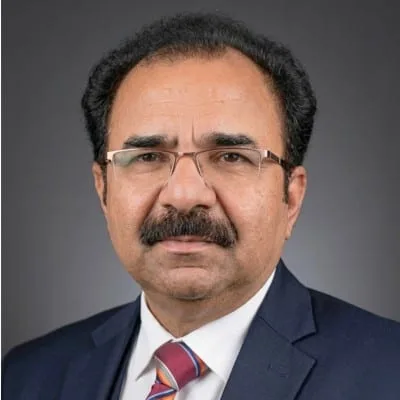
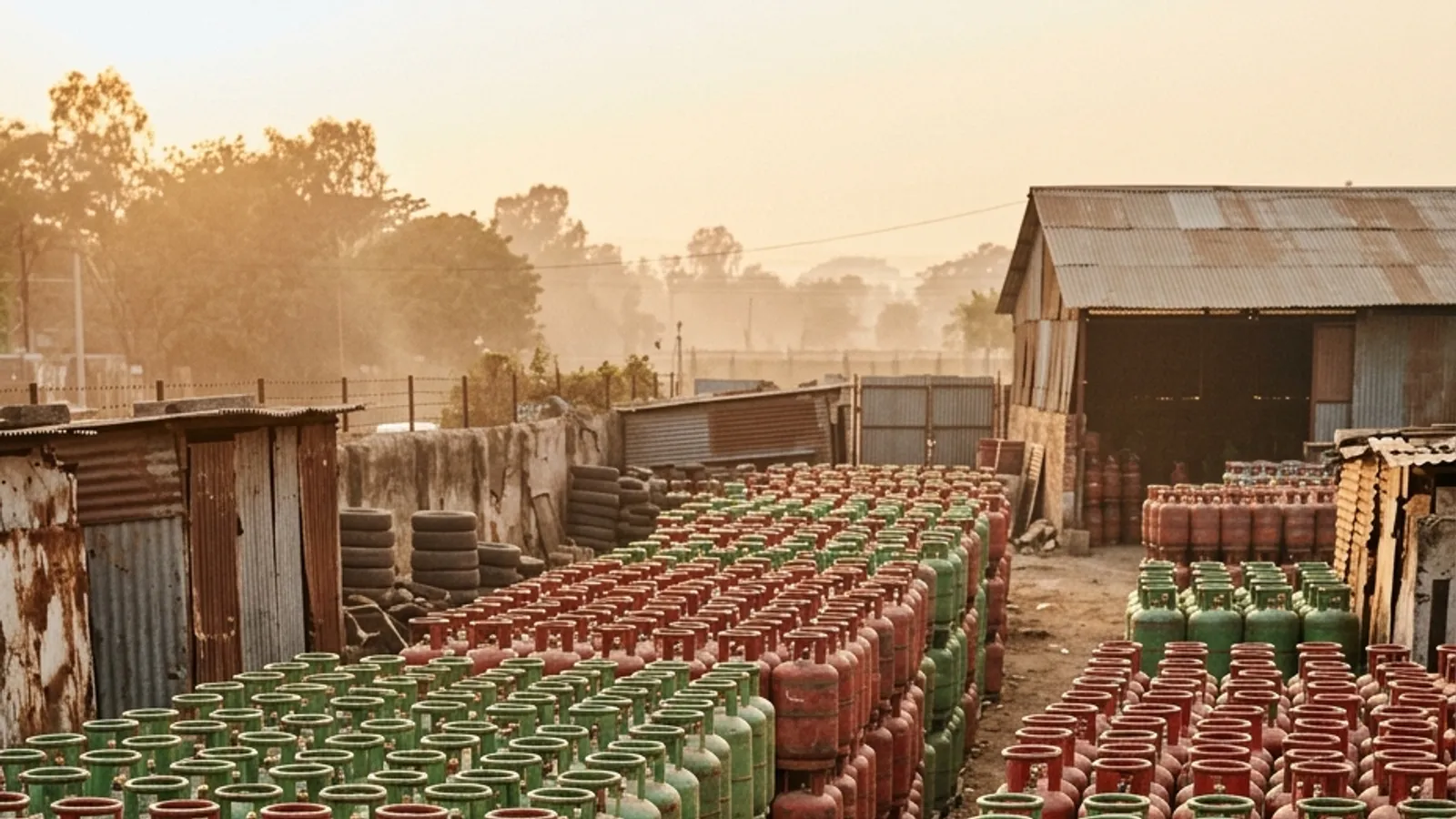
Pakistan has set the first rules for the auction of locally produced liquefied petroleum gas (LPG), as the government tries to bring down cylinder prices that have run at twice the official rate. Petroleum Minister Ali Pervaiz Malik said on Saturday that LPG availability and unfair pricing are a government priority, after chairing the first meeting of the committee set up to run a transparent auction, according to state-run Radio Pakistan.
The auction rules in one place
| Rule | What the committee decided |
|---|---|
| Share for remote areas | 10% of each local producer’s output goes to government-owned marketing companies |
| Share for auction | The other 90% is sold in a transparent auction, in the presence of the media |
| Cap per buyer | Each company can acquire a maximum of 20 metric tonnes of LPG a day |
| Eligibility | All eligible companies get equal opportunity to take part |
| Monitoring | Daily production is monitored and the data presented to the prime minister |
Malik said the new auction system would ensure fair distribution of LPG, a stable supply chain and energy security.
Why the government is doing this
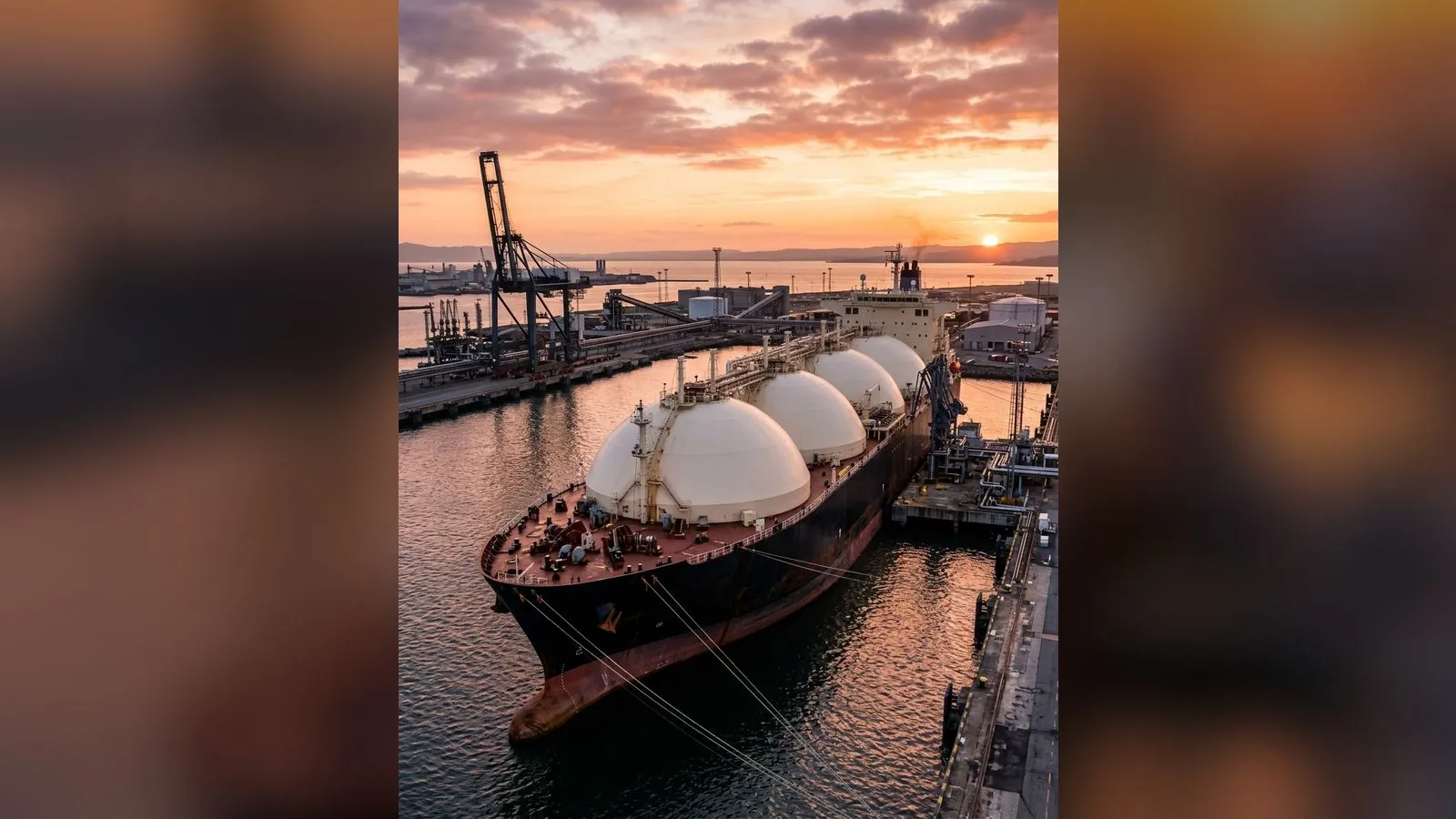
Earlier this week the government announced a new LPG policy to create competition and improve supply. It told four state-owned companies to go back into LPG imports under government-to-government and business-to-business arrangements, to ease what Dawn described as severe supply constraints and soaring prices. Selling local gas through open auctions is meant to cut out the middlemen who profit from the existing arrangement.
Dawn reported that LPG supply has been disrupted by the closure of Iranian border crossings, which has left cylinders selling at twice the official rate in the open market. LPG is used widely in rickshaws and for cooking and heating by households outside the piped gas network. Dawn noted that LPG, long called the poor man’s fuel, is now used by many middle-class families too, and that more homes buy cylinders as temperatures fall.
How this fits with what we reported
When the reforms were first announced, the petroleum minister said local production is about 2,000 to 2,500 tonnes a day, that some sellers charged Rs700 to Rs800 a kilogram during disruptions, and that the prime minister said the first auction was expected the following week, as we reported in our story on the LPG overhaul. The 20-tonne daily cap per company is a detail that was not in that account. It limits how much any one firm can take, and the report did not say how many companies are eligible or why the cap was set at that level.
The price pressure shows up in the shops: LPG is up 115 per cent on a year ago, and traders now cite it when raising meat prices.
Why it matters
For households, the auction will only help if more gas actually reaches the market at a lower price. Three things decide that: how many companies bid, whether the 10 per cent set aside really reaches remote areas, and how quickly the four state companies can bring in imported cargoes while the Iranian border crossings stay shut. The announcement also leaves some questions open: no date for the first auction was given in the report, and it did not say how the auction price will relate to the price at the pump or cylinder shop.
What to watch is the date of the first auction, who wins the lots and at what price, and whether cylinder prices in the open market begin to fall.

Comments
Comments are reviewed by our editors before they appear. Please keep them civil and on topic. See our terms.
No comments yet. Be the first to share your view.