

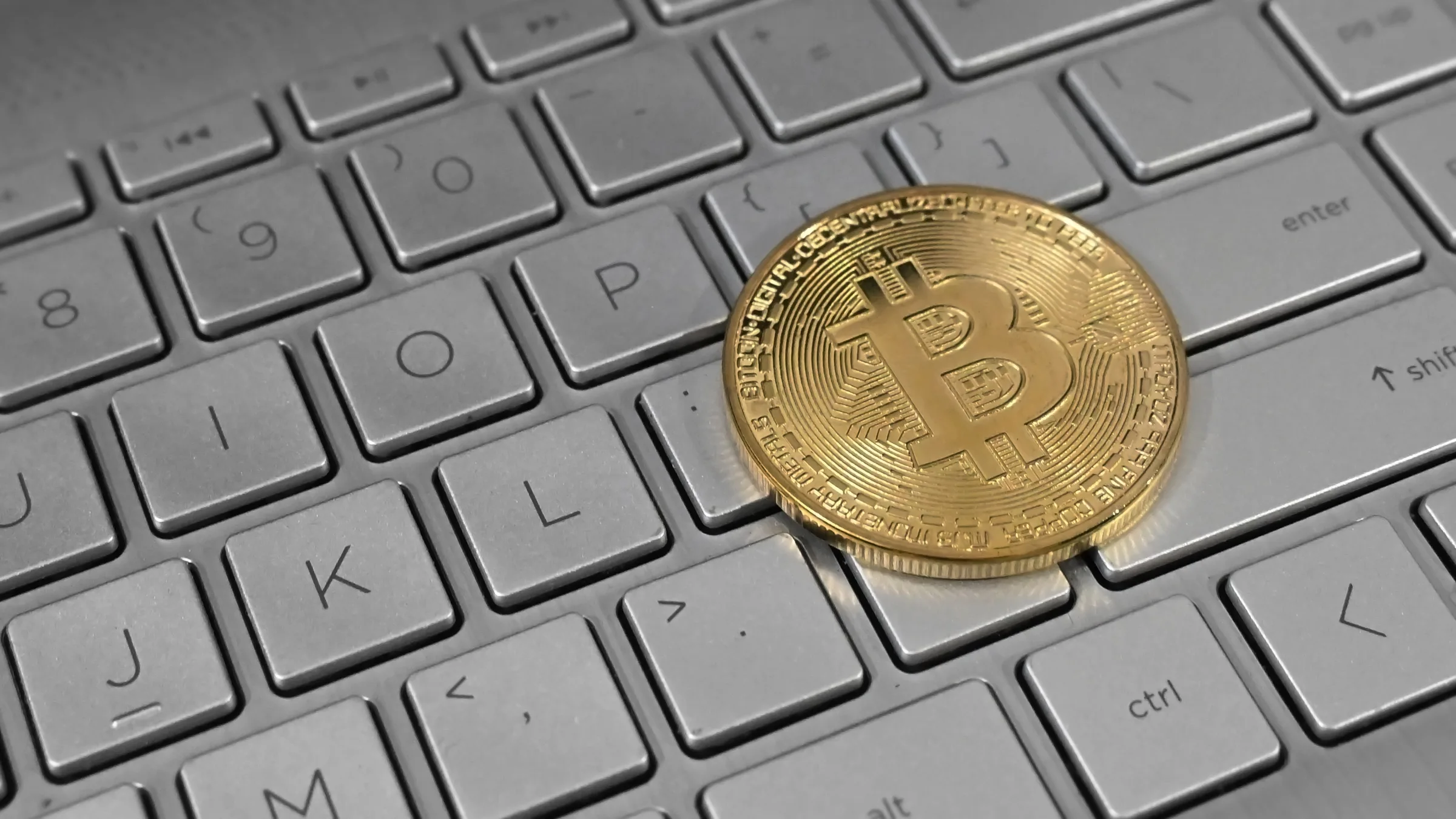
Binance, the world’s largest cryptocurrency exchange, said a security breach had an estimated $6.3 billion impact, in what analysts said could be the biggest crypto heist ever, Dawn reported, citing Reuters. The company said it had worked with partners to freeze the affected assets and had located about $3 billion so far, but gave no update on the other $3.3 billion.
What Binance and investigators say happened
Binance said an initial investigation suggested the breach may have started with a hacked laptop belonging to one of its engineers, which let an attacker reach one of its systems and make unauthorised withdrawals. The blockchain analysis firm TRM Labs later said North Korean hackers were behind the raid. “An attacker moved approximately $6.36 bn out of Binance wallets on 10 blockchains, most of it in about 20 minutes,” TRM said in a blog post. It attributed the attack to TraderTraitor, North Korea’s elite hacking unit, and said it made the judgement “with high confidence”. The firm Arkham said its data indicated billions of dollars had been taken by an unknown actor. These are the findings of private firms, and Binance has not said who it believes is responsible.
As a precaution, Binance said, all deposits and withdrawals are temporarily suspended while its security teams check systems, secure wallet infrastructure and trace the affected assets with law enforcement and industry partners. Co-founder Yi He said the company would cover “all hacking losses”. Binance runs a secure asset fund, a reserve held entirely in bitcoin, to protect users in such cases. It has 335 million registered users and held about $162.8 billion in customer assets, according to its 2025 annual report. Binance.US, a separate exchange, and Coinbase said they were not affected.
Who froze what
Several crypto firms said they froze funds linked to the incident:
- Tether said it froze nearly $1.57 billion.
- Circle froze more than $800 million.
- Ripple froze roughly $200 million, according to Yi He.
- World Liberty Financial, a company linked to US President Donald Trump and his family, said it worked with the custodian BitGo to freeze stolen funds. Yi He said $27 million in stablecoins and about $2 million of World Liberty tokens had been frozen.
Market reaction
Bitcoin fell more than 3 per cent in early Asian trading on Friday to $76,368, a six-week low, and ether dropped more than 3 per cent to $2,178, a two-month low. BNB, the token tied to Binance, was down 5 per cent over 24 hours at $709.70. Shares in Coinbase slid 4.8 per cent and those of bitcoin buyer Strategy fell nearly 6 per cent in extended US trading.
Why it matters
Analysts said the breach could make investors rethink holding digital assets on centralised exchanges, at a time when crypto was already under pressure from higher US interest rates (see our report on the Fed holding rates) and weaker demand from exchange-traded fund buyers. Tim Sun of HashKey Group said it might “further dampen risk appetite”, and Bernardo Brites, chief executive of Trace Finance, warned that users might move away from small and medium-sized exchanges because they cannot cover a hack of this size. Brites also said AI can find software flaws faster than they can be fixed, which is his view and not an established finding.
The incident is one of a series. TRM Labs said attackers stole $2.9 billion in cryptocurrency across nearly 150 attacks last year, and the exchange Bitget said in September that roughly $350 million had been stolen from its platform. A separate and unrelated incident on Thursday led the prediction market Polymarket to halt trading briefly; it said it would reimburse affected traders in full. Authorities have warned that organised crime groups increasingly use cryptocurrencies to move money across borders outside the regular financial system.
The questions now are whether Binance can recover the remaining $3.3 billion, when withdrawals will resume, and whether the investigators’ attribution to North Korea is confirmed by governments. For ordinary investors, the lesson is that an exchange holds the keys to a customer’s coins, and a break-in at the exchange is a risk the customer cannot control.
This article draws on reporting by Dawn and Reuters.



Comments
Comments are reviewed by our editors before they appear. Please keep them civil and on topic. See our terms.
No comments yet. Be the first to share your view.