
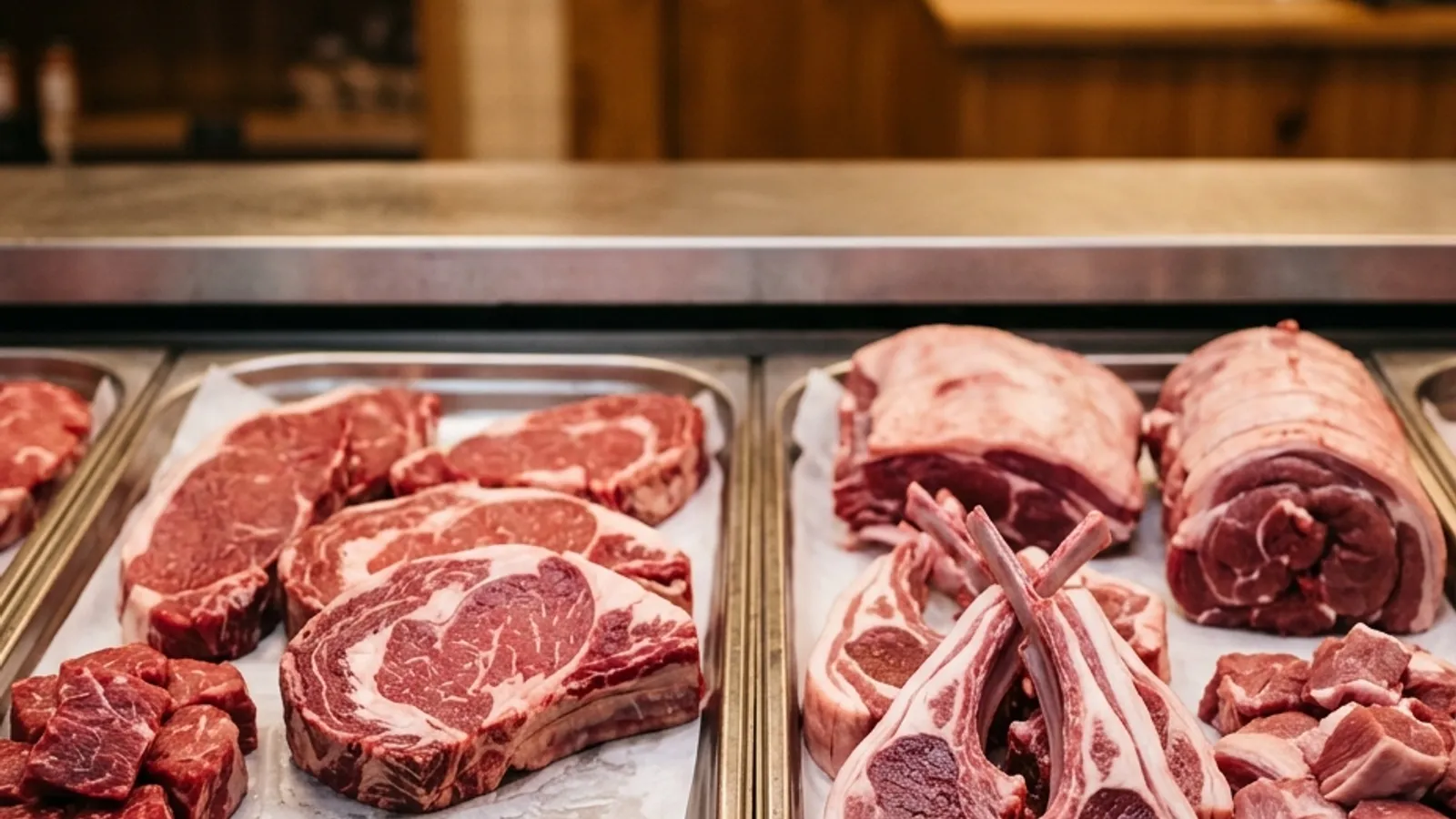
Karachi’s city administration has raised the official prices of beef and mutton by Rs50 to Rs100 per kilogram. The commissioner notified the new rates on Thursday, replacing the ones set in February. As in the past, the list price and the price at the shop are two different things.
The new official rates
| Meat | New official rate (per kg) | Change |
|---|---|---|
| Beef with bone | Rs1,050 | up Rs50 |
| Beef without bone | Rs1,350 | up Rs50 |
| Veal with bone | Rs1,350 | up Rs50 |
| Veal without bone | Rs1,650 | up Rs50 |
| Mutton | Rs2,300 | up Rs100 (from Rs2,200) |
What shoppers actually pay
The gap between the notified rate and the market rate is the real story. Weekly data from the Sensitive Price Index (SPI) show that mutton in Karachi has traded at Rs2,200 to Rs3,000 per kg over the past six weeks or so, against Rs2,000 to Rs2,800 before that. That means the low end of the market range now sits just under the new official price, while the top end is about Rs700 above it.
Veal is dearer in the shops than on the list. Market rates are about Rs1,500 per kg with bone and Rs1,700 to Rs1,800 without, against official rates of Rs1,350 and Rs1,650. A shopper paying those prices pays roughly Rs50 to Rs150 over the notified figure. The report did not give a market price for beef.
Why traders say prices are rising
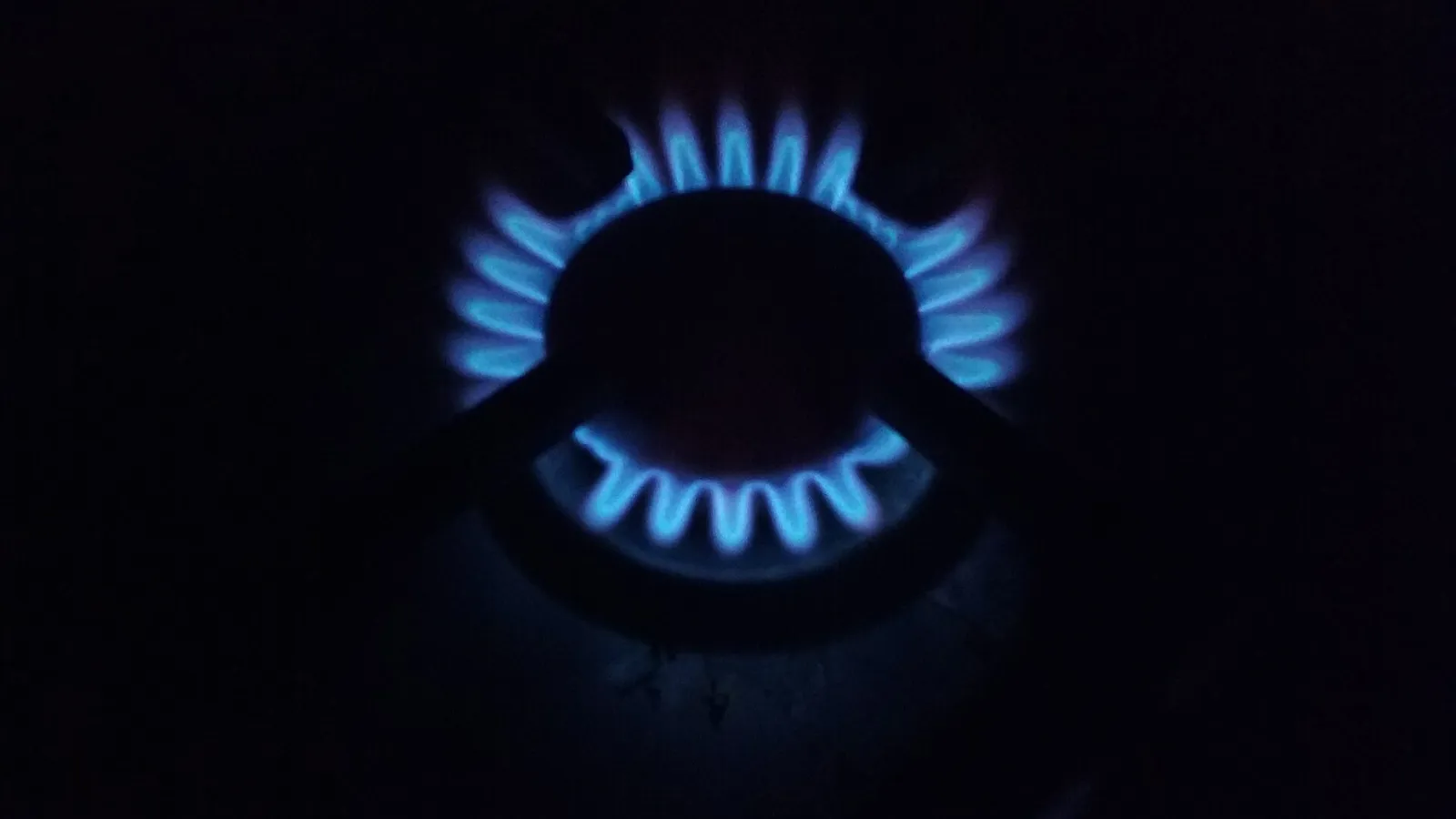
Meat merchants give two reasons. First, they blame higher meat exports, which they say draw animals and supplies away from the local market. Second, transport costs have climbed: LPG now costs Rs500 to Rs550 per kg, up from Rs380 a few months ago, and diesel is expensive as well. We have followed the price story for weeks, including LPG cylinders selling at twice the official price and the government’s plan to auction LPG.
What the gap means for a household
Take mutton, the dearest of the lot. A family buying 2 kg at the new official rate would pay Rs4,600. At the top of the market range it would pay Rs6,000, which is Rs1,400 more for the same meat. For veal without bone the extra is smaller, roughly Rs100 to Rs300 on 2 kg, but it adds up for families that buy meat every week.
Fuel is the thread that links the two stories. In our report on the government’s LPG reforms, the petroleum minister said some sellers had charged Rs700 to Rs800 per kg during supply disruptions, and he put the prevailing price after costs at Rs450 to Rs500. Meat traders quote Rs500 to Rs550 for LPG today, which sits above the minister’s estimate, so the transport cost they cite depends on which of those numbers shops are really paying.
Why it matters
For a household, a rise of Rs50 on a kilo of beef is small next to what has already happened at the butcher’s. The notified rate is the price shops are expected to follow, but when market prices run well above it, enforcement is the real question.
Meat is a large part of a family’s food bill, and prices of other staples are under pressure too: our report on weekly inflation at 11.32 per cent showed how food and fuel have been pushing the weekly index up. What to watch is whether the commissioner’s office actually checks shops against the new list, whether LPG prices ease after the planned auction, and what the next SPI reading says about meat.

Comments
Comments are reviewed by our editors before they appear. Please keep them civil and on topic. See our terms.
No comments yet. Be the first to share your view.