
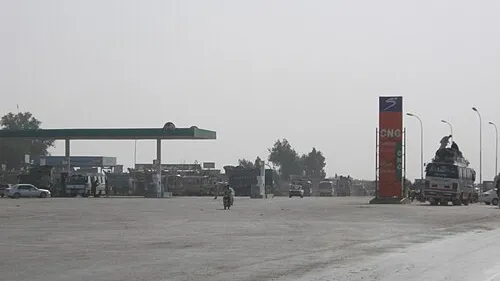
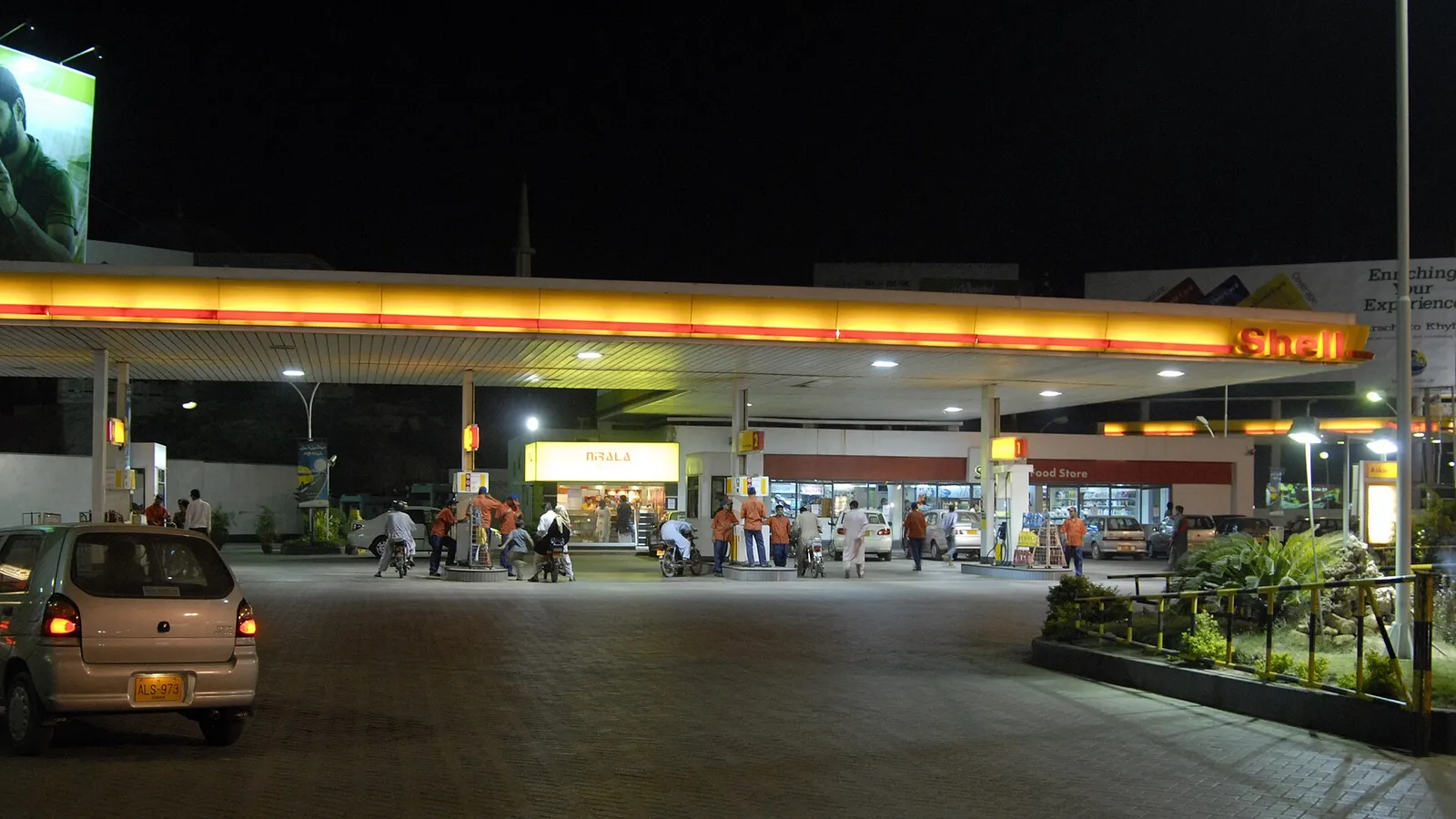
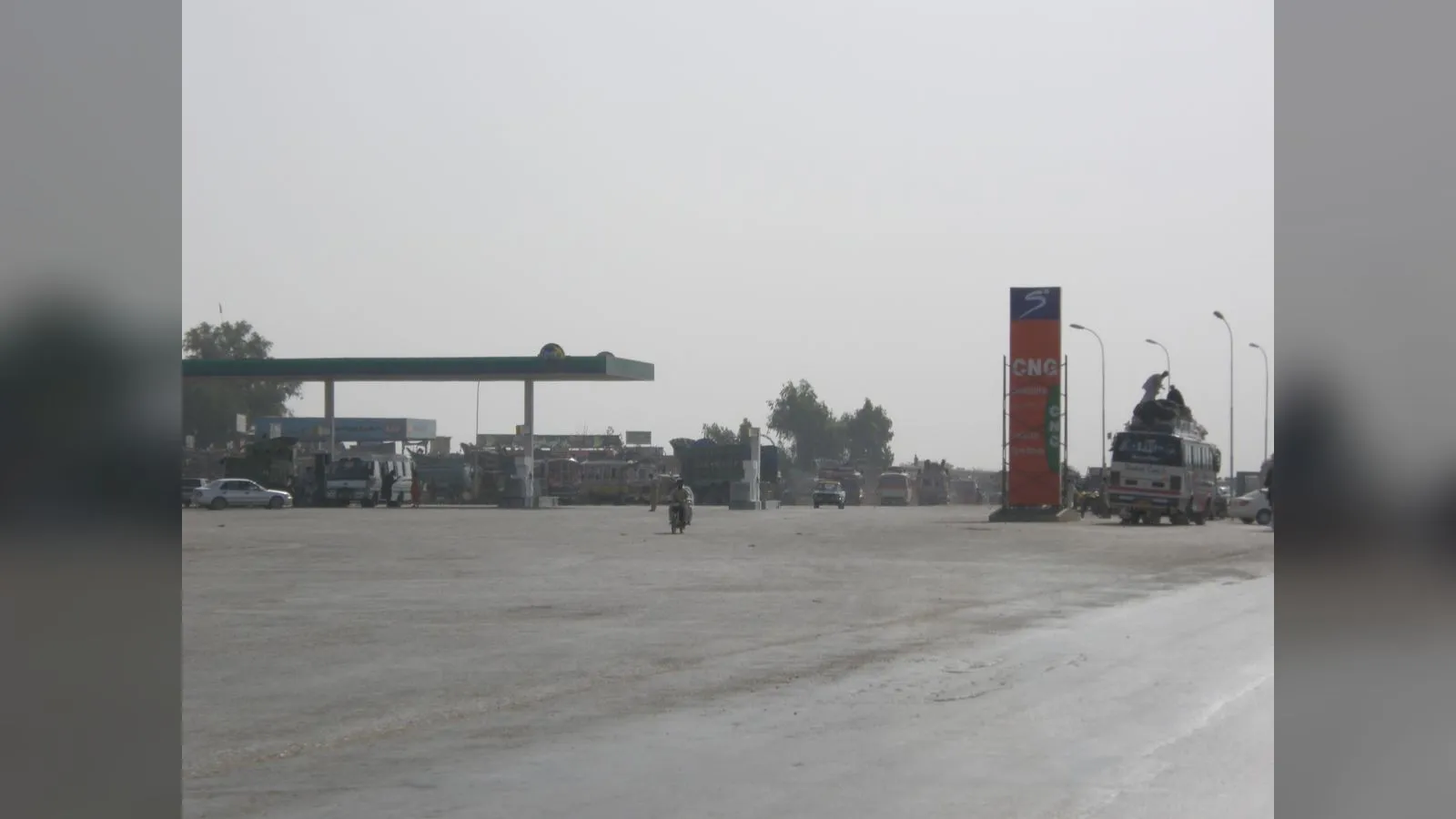
The federal government cut the price of petrol by Rs3.4 a litre and high-speed diesel (HSD) by Rs7.76 a litre for Tuesday, November 3, The Express Tribune reported, citing a press release from the Oil and Gas Regulatory Authority (Ogra).
The new prices are:
- Petrol: Rs374.51 a litre
- High-speed diesel: Rs395.20 a litre
Refineries take on Rs15bn a month
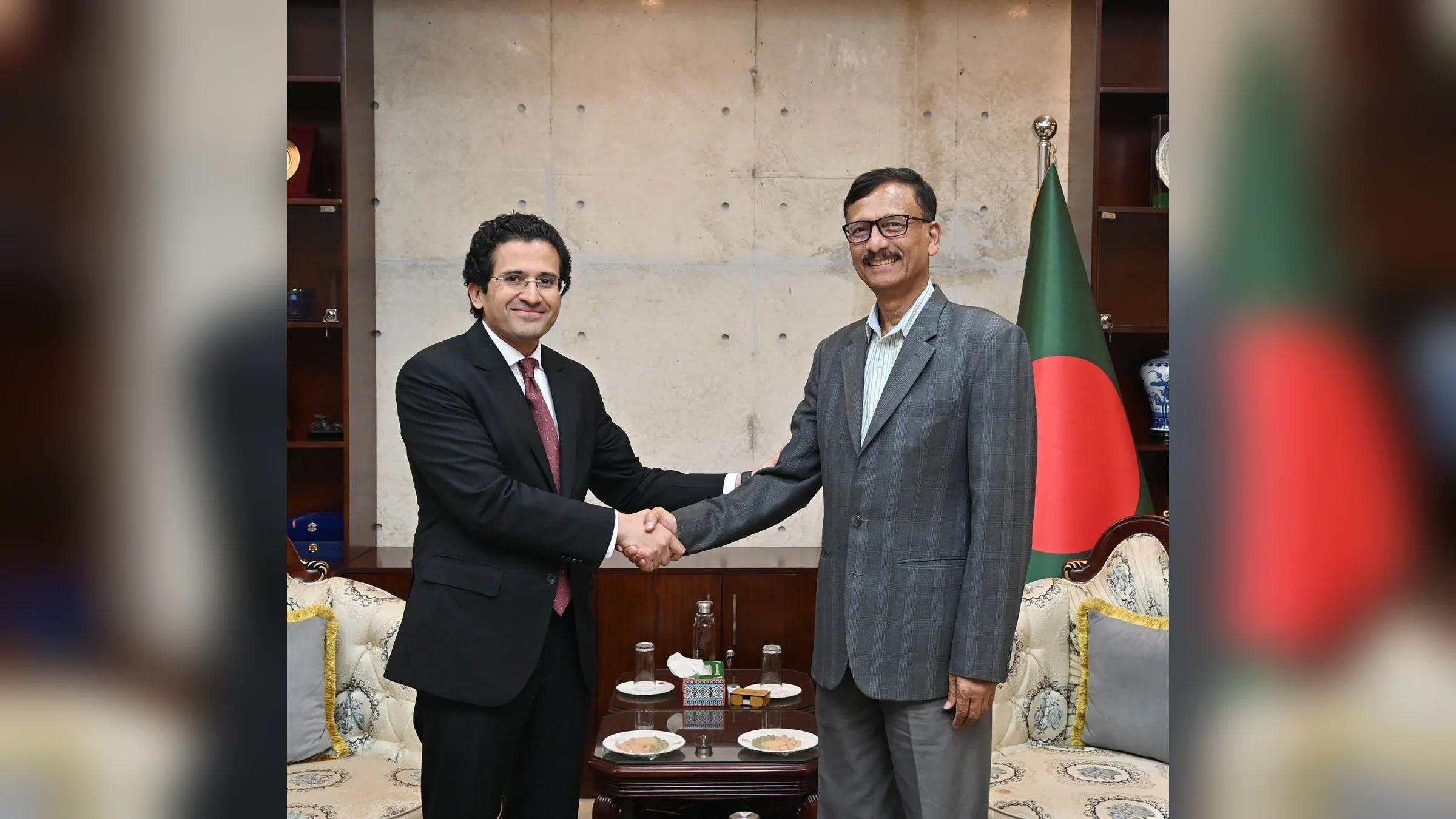
At a press conference in Islamabad on Monday, Petroleum Minister Ali Pervaiz Malik said oil refineries would bear a burden of about Rs15 billion a month. This allows petrol to be sold about Rs15 a litre cheaper than it would be at global market rates, amid the US-Israeli war on Iran, Dawn reported.
Malik said the prime minister had met refineries to ask them to help avoid an increase of about Rs15 that was due on Friday. “They were requested to take a step to support the public during this difficult time, and I am glad that they listened to us,” he said. “Because of that we were able to maintain the price.”
The arrangement follows the revised petrol pricing formula that the cabinet approved on October 30, which freezes refinery premiums at their pre-war levels for 30 days.
Why premiums jumped
Malik said the premium on a barrel of imported petrol was about $5 before the crisis, rose to $20, and in later PSO tenders climbed to about $25 to $30 and higher, Geo News reported. Insurance and shipping costs have risen sharply. “A very large crude carrier that was once available for a few hundreds of thousands of dollars is now rarely available for even a million dollars,” he said.
About 70pc of Pakistan’s petrol comes from the international market and 30pc from local refineries, Malik said. Any intervention had to avoid making imported petrol commercially unviable, which could cause shortages. He also said refineries’ profits over three months were “even more than their annual profits from last year”.
Relief scheme and supplies
Information Minister Attaullah Tarar said the fuel relief scheme announced in September had registered more than 15 million users, and that about Rs27bn had been disbursed. Under it, motorcyclists get a weekly concession of Rs500 on petrol and owners of 800cc cars get 10 litres every 10 days at Rs100 less per litre.
Both ministers said there was no fuel shortage. November’s supply was fully covered, Malik said, and decisions on December and January supplies would follow.
LNG ship attacked
Malik also said a Pakistan-bound liquefied natural gas (LNG) cargo ship was attacked before it entered the Strait of Hormuz, without saying who was responsible. Qatar’s foreign ministry said the carrier, Al Mayeda, is owned by Qatar Gas Transport Company, and Qatar and Saudi Arabia condemned the attack as a “dangerous act”. Pakistan had negotiated with Iran for the ship’s safe passage, the Tribune reported. Tarar urged people to avoid speculation about who attacked it. The attack comes as Pakistan works out a revised LNG deal with Qatar.
Background: from the peak
Petrol peaked at Rs458.41 and diesel at Rs520.35 on April 3. Petrol started rising from Rs266 in early March, and diesel from Rs281 after the war broke out on February 28. Prices are now set daily. The government has also brought back austerity measures, including markets closing by 9pm and a 50pc cut in fuel for official vehicles for three months.
Why it matters
The cut is small for petrol but notable for diesel, which carries goods and farm machinery. The harder question is how long refineries will absorb Rs15bn a month, since the arrangement is tied to a 30-day rule. If it lapses and global prices rise, the price increase that was held back could return.
This article draws on reporting by The Express Tribune, Dawn and Geo News.
Comments
Comments are reviewed by our editors before they appear. Please keep them civil and on topic. See our terms.
No comments yet. Be the first to share your view.