
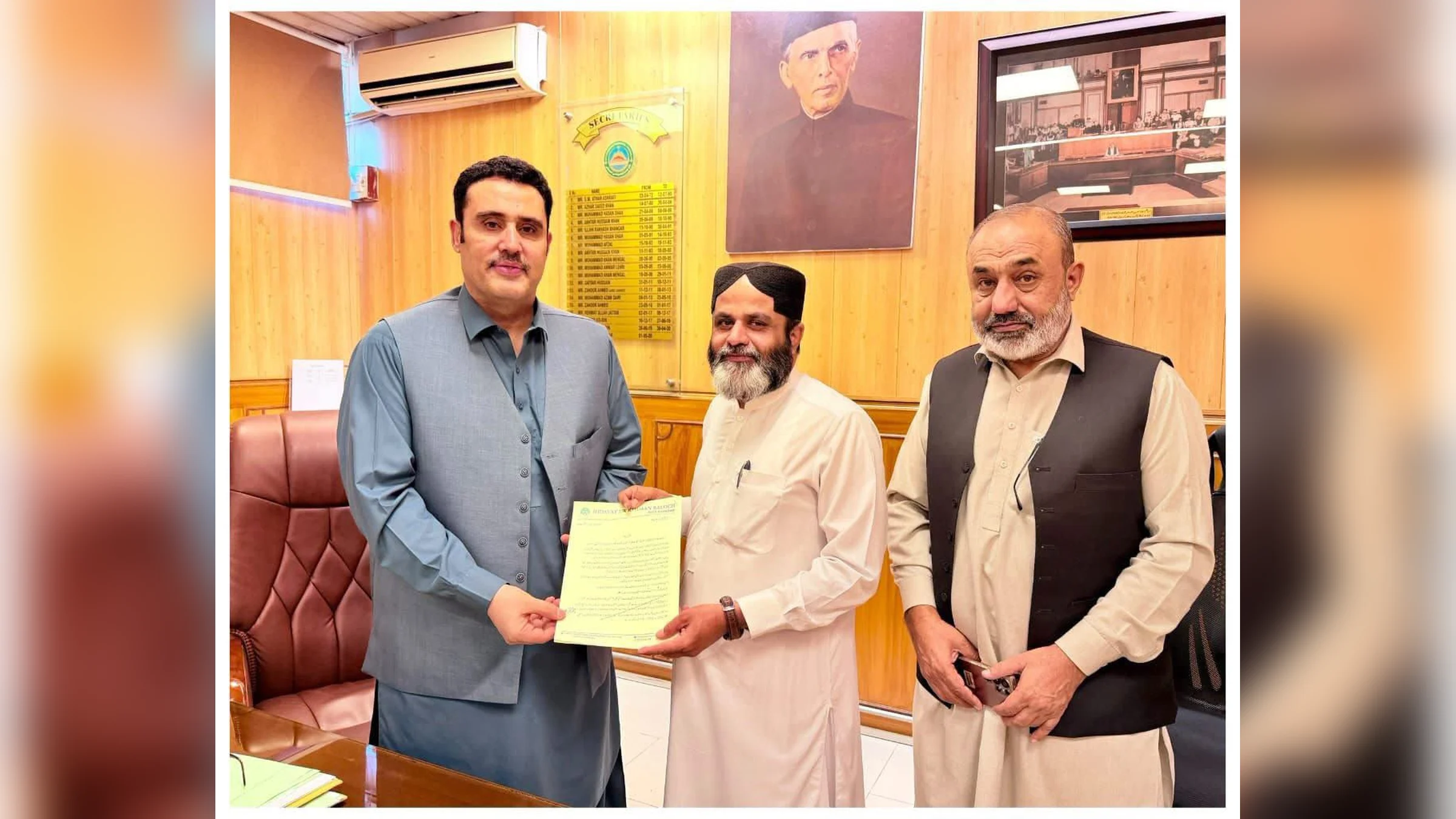
A resolution seeking the abolition of the sardari system in Balochistan, moved by Jamaat-i-Islami MPA Maulana Hidayatur Rehman Baloch, is now expected to come before the provincial assembly on Monday, October 26, after Thursday’s sitting deferred its entire agenda, Dawn reported.
The house set aside all other business following the death of former provincial education minister Sardar Nisar Ali Hazara.
A sitting for condolence
Deputy Speaker Ghazala Gola, who presided, said that in line with parliamentary tradition the sitting would be limited to a prayer and a condolence resolution, and the rest of the agenda would be taken up at the next sitting.
Maulana Hidayatur Rehman Baloch himself moved a motion to adjourn proceedings until Monday in recognition of the late lawmaker’s services. The house approved it and adjourned until 3pm on Monday.
Presenting the condolence resolution, Baloch said the house expressed deep grief at the death of Sardar Nisar Ali Hazara, who died in Quetta on October 20. Hazara was elected from PB-2, Quetta, in the 1997 general elections and later served as education minister. A large number of people, including prominent Hazara community leaders and political figures, attended his funeral prayers.
The condolence resolution said his death had deprived Balochistan of a hardworking and capable politician, offered condolences to his family and prayed for the departed. The house adopted it unanimously, and the deputy speaker then adjourned the sitting.
An old demand
The call to end the sardari system is not new. It was first moved in the Balochistan Assembly on June 8, 1972, when Sardar Ataullah Mengal was chief minister of the province’s first coalition government, formed by the National Awami Party (NAP) and the Jamiat Ulema-i-Islam, Dawn reported.
The milestones:
- 1972: NAP member Fazila Aaliyani moved a resolution calling for the end of what it described as exploitative and outdated institutions, particularly the sardari, jirga and tribal systems, in order to promote social and economic progress in the province.
- Federal action sought: Because the assembly lacked the constitutional power to abolish the system itself, the resolution asked the federal government to legislate.
- April 1976: Prime Minister Zulfikar Ali Bhutto announced the abolition of the sardari system at a public meeting at Quetta’s Liaquat Park, with the then governor, the Khan of Kalat Mir Ahmed Yar Khan, present.
- 1976: The federal government enacted the System of Sardari (Abolition) Act.
Why it is back
Half a century after that law, Baloch has brought the issue back to the assembly. In a post on X on October 15 announcing the resolution, he said it sought to end the sardari system in Balochistan and make everyone subject to the Constitution and the law. The resolution was on Thursday’s agenda before the condolence motion pushed all business to Monday.
Baloch, who leads the Jamaat-i-Islami in Balochistan, has had success in the house before. On October 12, he said on X that the assembly had passed his resolution against the petroleum levy, which he called an extortion tax. That move is part of a wider Jamaat-i-Islami campaign against fuel taxes.



Comments
Comments are reviewed by our editors before they appear. Please keep them civil and on topic. See our terms.
No comments yet. Be the first to share your view.