

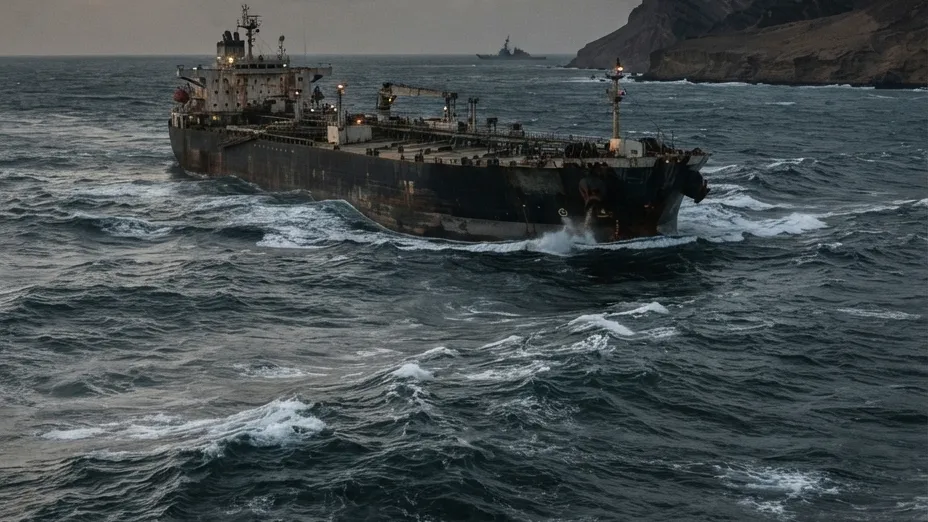
More merchant ships were attacked near the Strait of Hormuz in October than in any other month since the US-Iran war began in late February, according to the UK Maritime Trade Operations Centre (UKMTO). November is on a similar track.
The numbers
| Period | Reported incidents |
|---|---|
| Before October | about 10 a month on average |
| October | more than 30, the first month above 30 since the war began |
| November, to Sunday | at least 22, across the Strait of Hormuz, the Gulf and the Gulf of Oman |
Twenty-two incidents in the first 22 days of November works out at roughly one a day. Figures from the International Maritime Organization (IMO), cited by Anadolu Agency, also show October with the most confirmed incidents of the year so far.
Why the real total is probably higher
UKMTO says it lists only incidents it has verified from primary sources, and that it knows of others it cannot confirm independently. In a mid-October report, the monitor said it was struggling to capture the full tally because most attacked vessels were declining to tell it. Many ships, it added, have switched off their tracking devices to avoid being detected.
That means the published numbers are a floor, not a ceiling. They also mean that anyone comparing month with month should be careful: a rise could reflect more attacks, or more ships choosing to report them.
A strait that is half closed
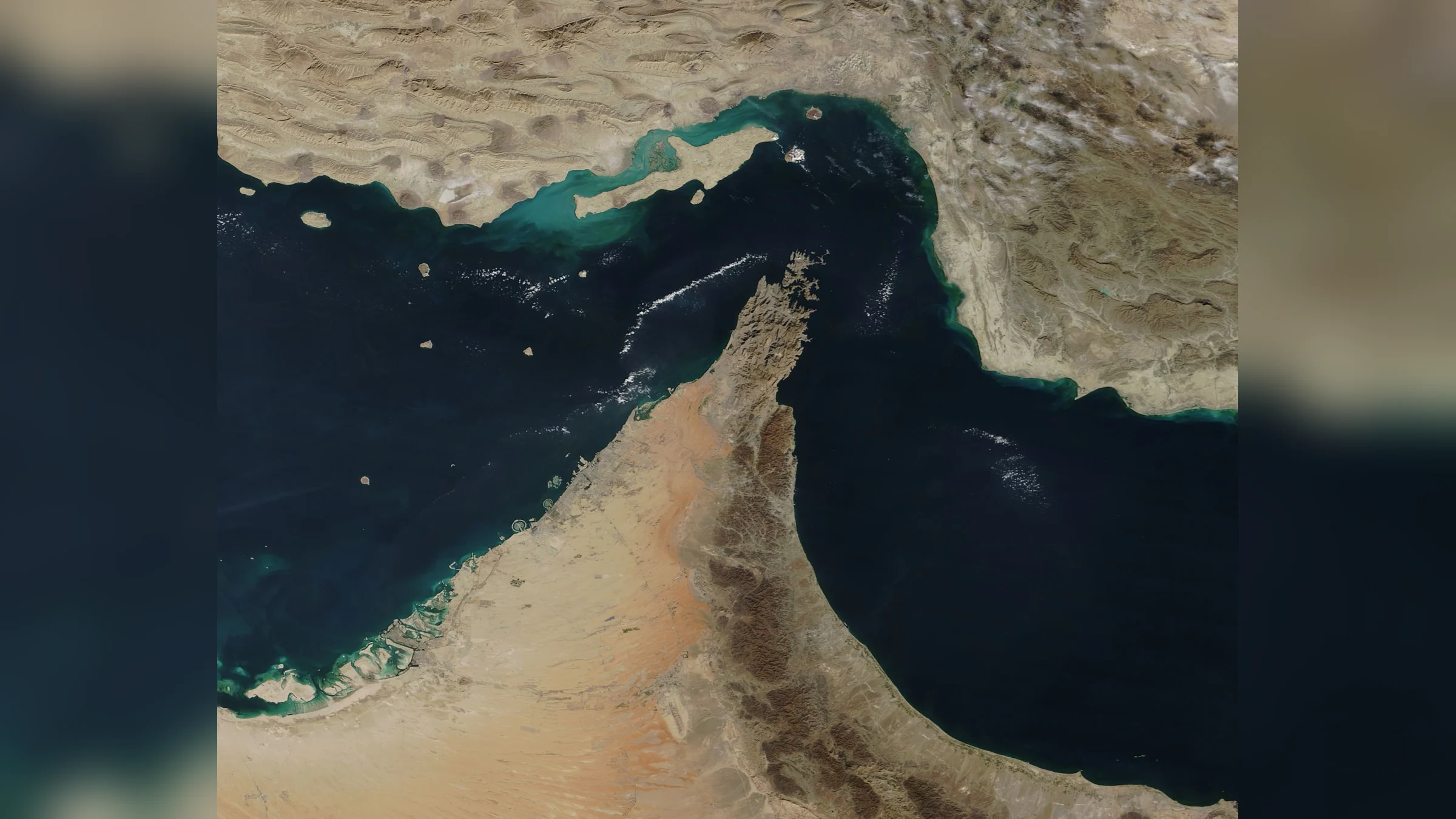
The strait carried about one-fifth of the world’s oil before the war. Traffic is now roughly 65% below that level, after Iran’s moves to stop shipping and a US blockade of Iranian ports. Those two pressures have squeezed a waterway that the global economy depends on.
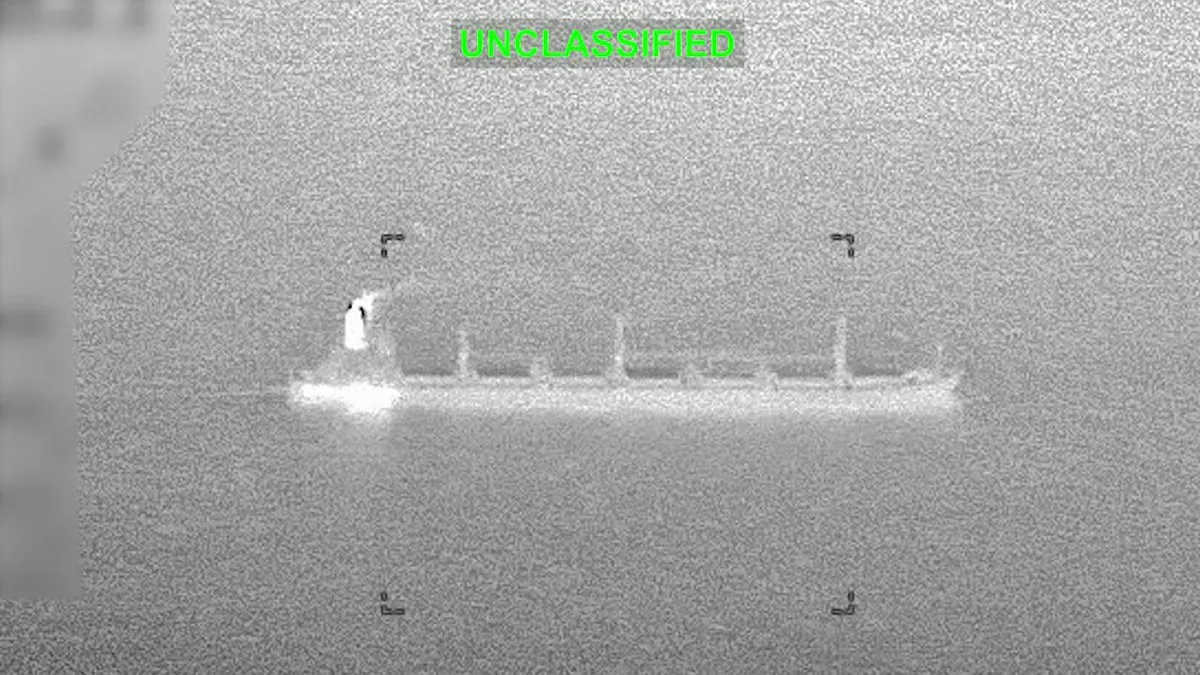
The blockade has produced its own clashes. In October a US jet disabled a cargo ship in the Gulf of Oman that had tried to run it, as we reported in US disables cargo ship that tried to run the Iran blockade. Earlier this month Secretary of State Marco Rubio told G7 allies that sanctions and the blockade made major combat unnecessary; that report has the details. Iran has said it will use all available tools to confront the US naval blockade, Reuters and Anadolu reported.
Oil prices
Oil prices have fallen in recent weeks. The International Energy Agency has attributed that to recovering Gulf exports and to easing worries about fresh US military action after the American midterm elections. Brent crude was down 47 cents at $92.10 a barrel by 12:38pm Pakistan time on Monday, according to Reuters.
Pakistan’s position
Pakistan has pressed for open sea lanes. Deputy Prime Minister Ishaq Dar said on Saturday that the Islamabad memorandum of understanding signed on June 18 set toll-free navigation in Hormuz as a key principle and that Pakistan has not given up on it, as we reported in Dar calls for a regional security framework built on the Makkah pact.
What to watch
- Whether the UKMTO count for November ends above October’s, which would make it a new monthly record.
- Whether more shipowners resume reporting incidents, which would raise the official count without any rise in attacks.
- Whether traffic recovers from the 65% shortfall or the blockade and the attacks keep it low into December.
Comments
Comments are reviewed by our editors before they appear. Please keep them civil and on topic. See our terms.
No comments yet. Be the first to share your view.