

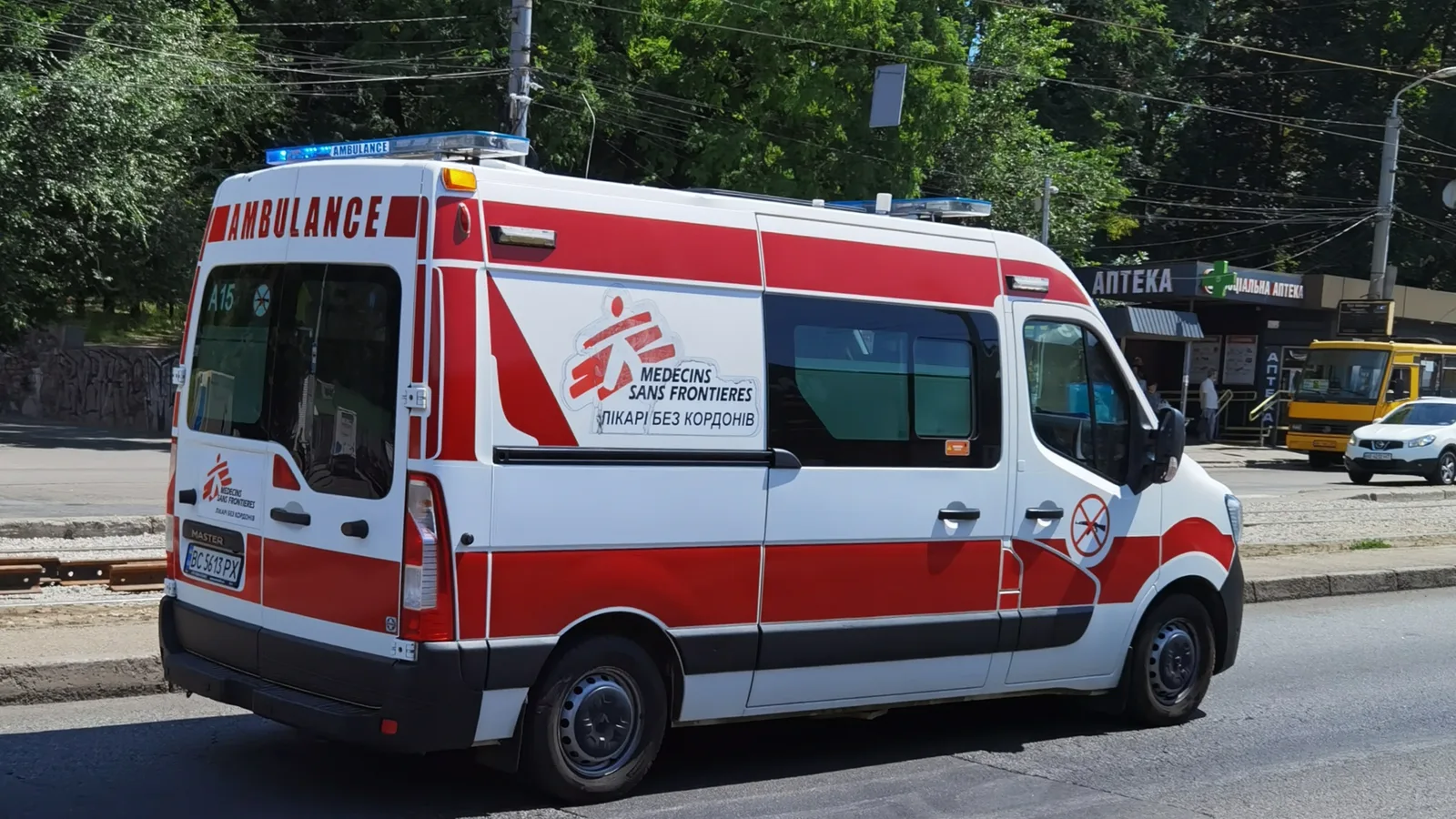
The two men killed at a Doctors Without Borders clinic in Gaza late on Friday were watchmen. Their job was to guard a place where the sick and injured come for care. The clinic, the charity says, carried its logo, and its location had been shared with and was known to the Israeli military. They are the 16th and 17th MSF colleagues killed in Gaza.
This is happening under a ceasefire. That is the fact the world keeps stepping around.
What a ceasefire is supposed to mean
The ceasefire in Gaza took effect on October 10, 2025. Since then, Gaza’s Health Ministry says, Israeli attacks have killed 1,679 Palestinians and wounded 6,100. In the 48 hours to Thursday alone, 19 people were killed. On Thursday night seven airstrikes brought down five residential buildings in eastern Gaza City, and families fled into the winter cold with nothing. On November 24 a UN aid worker, Adel Al-Helo, was killed near a water well in Jabalia refugee camp while carrying out routine work, according to UNRWA. Gaza’s deputy education minister and his wife were killed in their flat in Deir al-Balah.
Israel offers the same explanation each time: the target was a militant. It claimed the two MSF guards were Hamas members. None of these claims has been independently verified, and MSF has made no such link. Even if every claim were true, a ceasefire under which one side keeps choosing whom to kill is not a ceasefire. It is a reduced war with a better name.
The head of the World Health Organization, Tedros Adhanom Ghebreyesus, put it plainly: attacks on health facilities, health workers and humanitarian staff in Gaza are “outrageous and unacceptable”, and must stop. He is right. The question is who will make them stop.
Why aid workers matter most
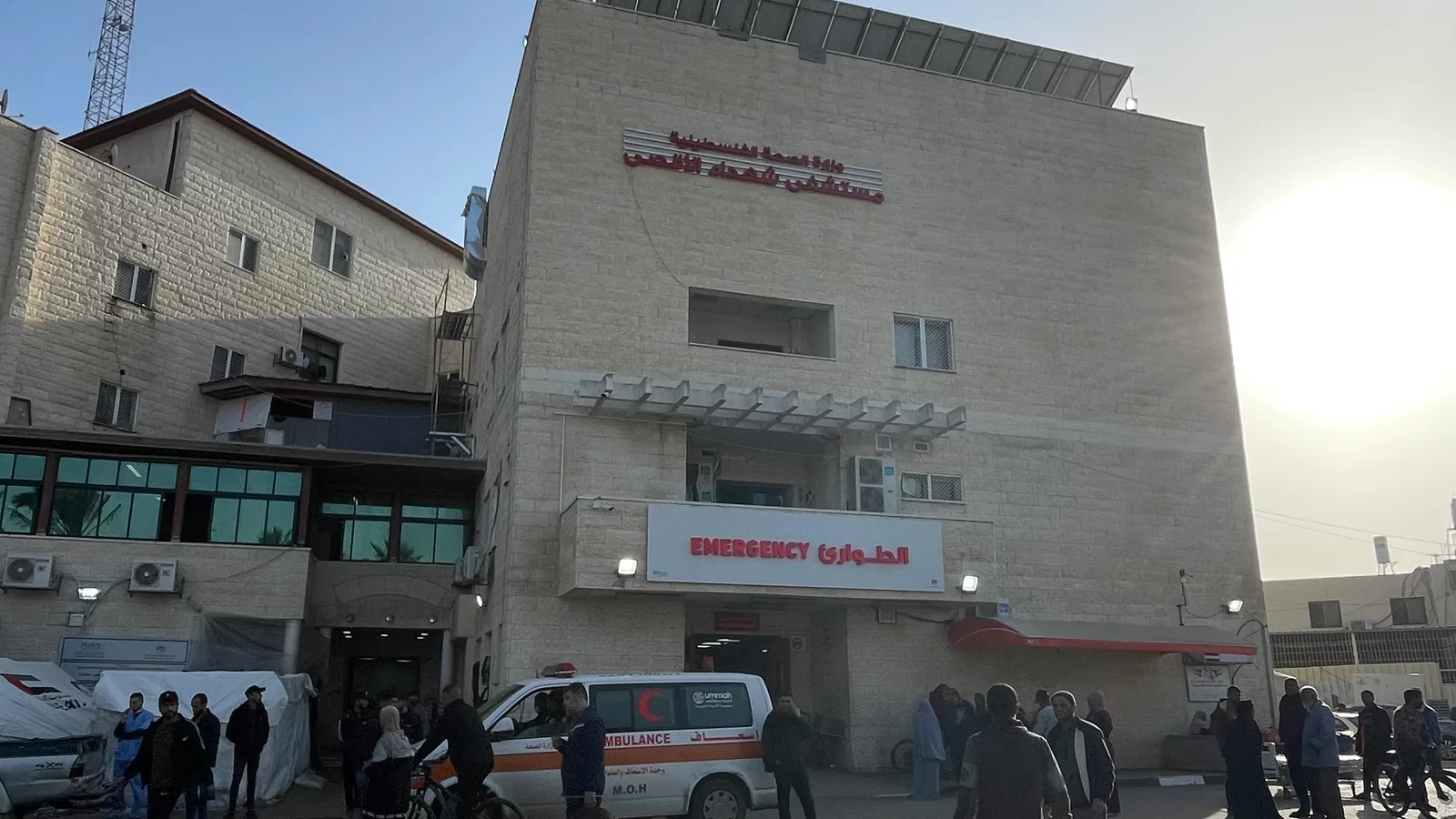
Every killing in Gaza is a tragedy. The killing of aid and health workers does a particular kind of damage, because each one makes it harder to keep the rest of the system running. A clinic whose guards are killed has to decide whether to open the next morning. A charity that loses 17 staff has to ask how many more it can send. A family that has already lost its home in the cold now has fewer places to turn when a child falls ill.
Humanitarian staff are protected under international humanitarian law for exactly this reason. When that protection becomes optional, the people who suffer are not fighters but the wounded, the sick and the displaced, who depend on aid to survive the winter.
What Pakistan can do
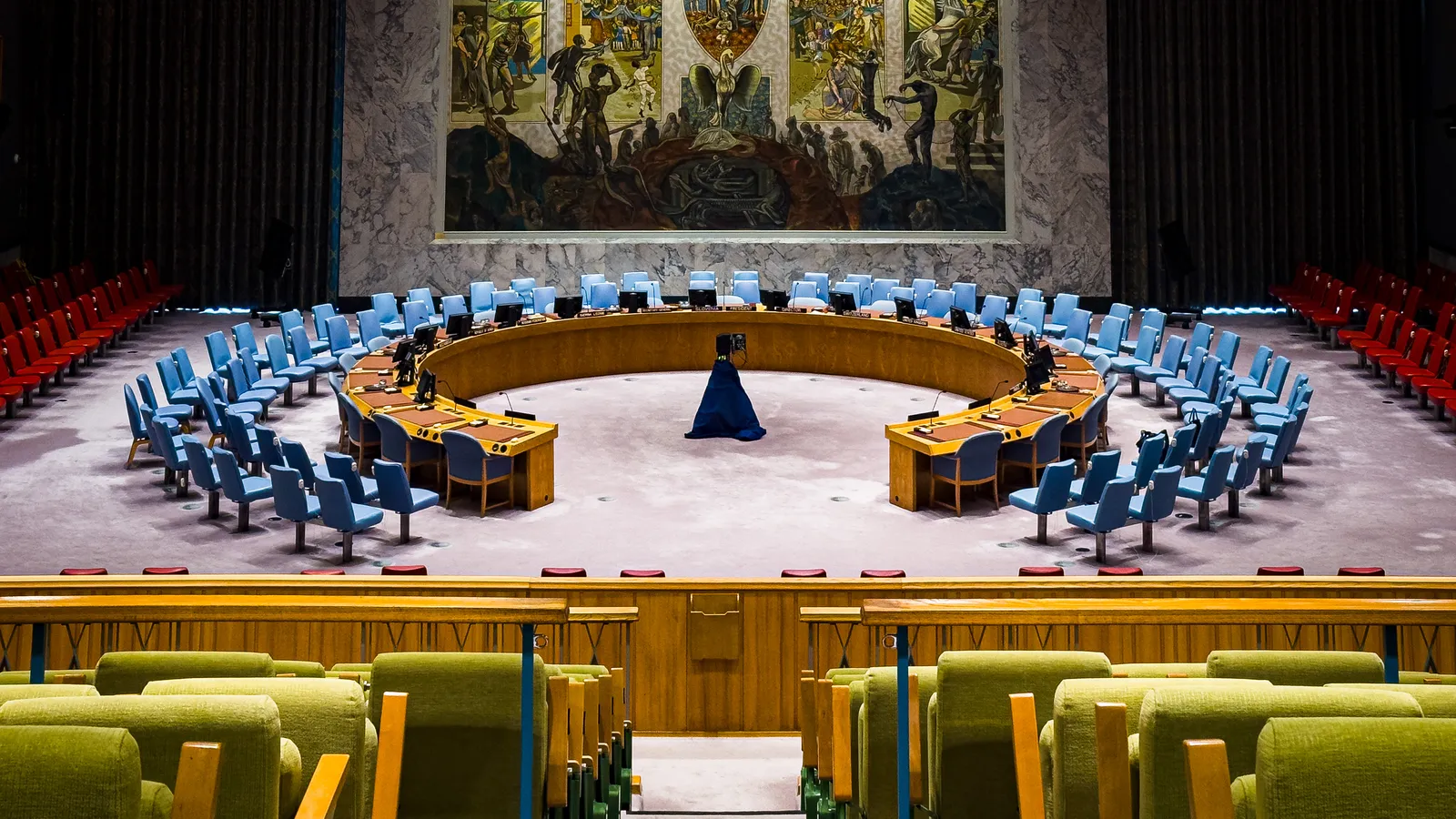
Pakistan is not a bystander. It holds a non-permanent seat on the UN Security Council, and it has repeatedly called there for an end to Israeli attacks on Gaza and for unhindered humanitarian access. Prime Minister Shehbaz Sharif this month directed the foreign ministry to push urgently for more aid to Gaza after winter rains flooded tens of thousands of tents. These positions matter. They now need to be turned into specific demands that others have to answer.
Two would make a difference.
First, an independent inquiry into attacks on aid and health workers in Gaza since the ceasefire began, with a public report. MSF has called for accountability, and the deaths of UN staff give the Council every reason to act. Pakistan should work with members of the Organisation of Islamic Cooperation and other like-minded countries to put such a proposal on the Council’s table and force a public vote on it.
Second, monitoring of the ceasefire that is public. Right now violations are counted by Gaza’s Health Ministry and denied or justified by Israel, and the world shrugs at the gap. A mechanism that records each strike, each death and each claim, and publishes the record, would make it far harder to keep killing under cover of a truce. A ceasefire that nobody measures is a ceasefire that nobody enforces.
Pakistan should also keep the pressure on winter aid: shelter, fuel and medicine for families sleeping in the open. Diplomacy that saves lives this month is worth more than statements that mourn them next month.
The test of a truce
A ceasefire is judged by one thing: whether people stop dying. By that test, Gaza’s ceasefire is failing every week. The men who guarded a clinic deserved the protection the world promised them. The least the world owes them now is the truth about how they died, and a system that makes the next such killing harder. Pakistan has a seat at the table where that can begin. It should use it.
Comments
Comments are reviewed by our editors before they appear. Please keep them civil and on topic. See our terms.
No comments yet. Be the first to share your view.