
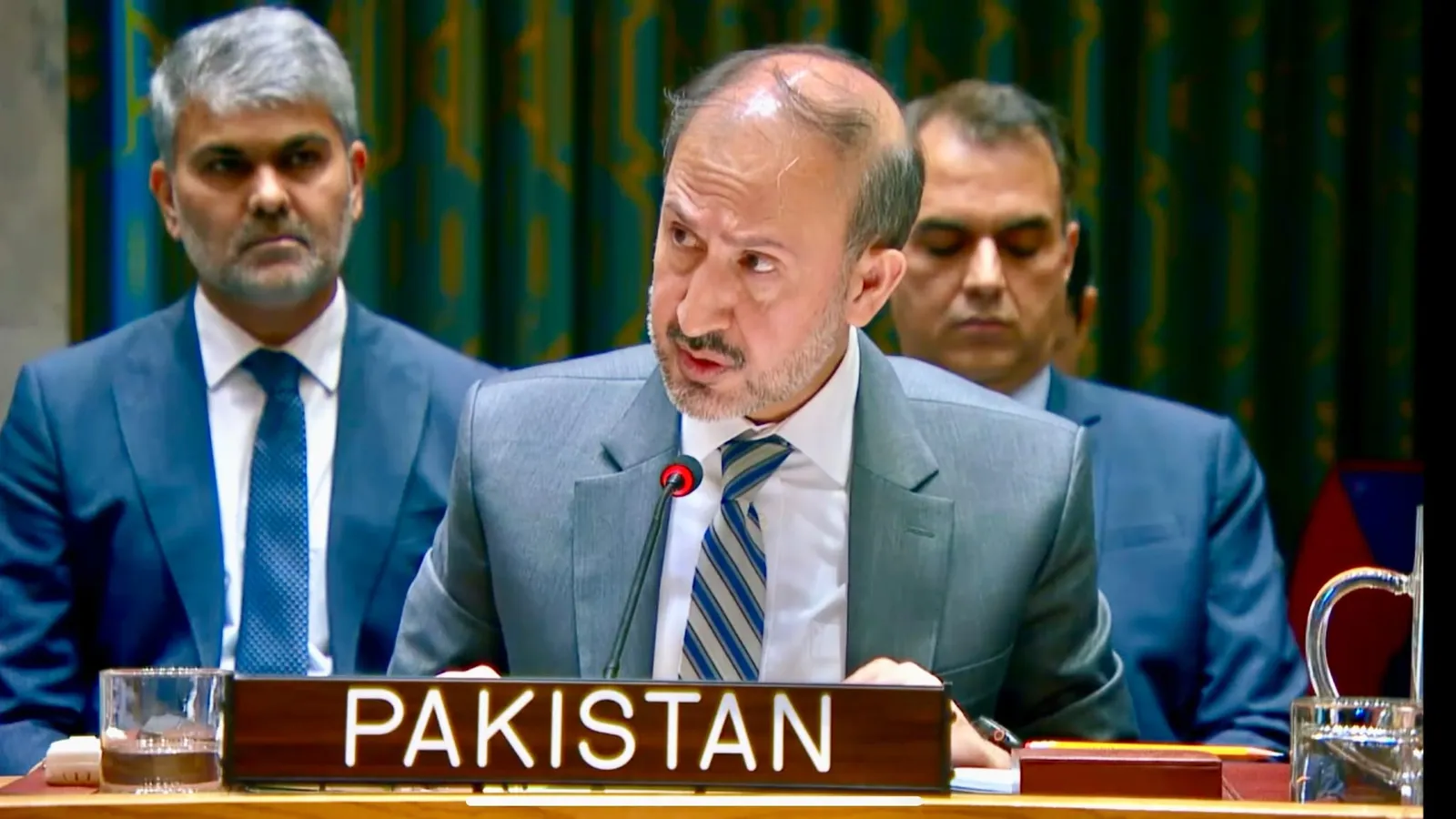
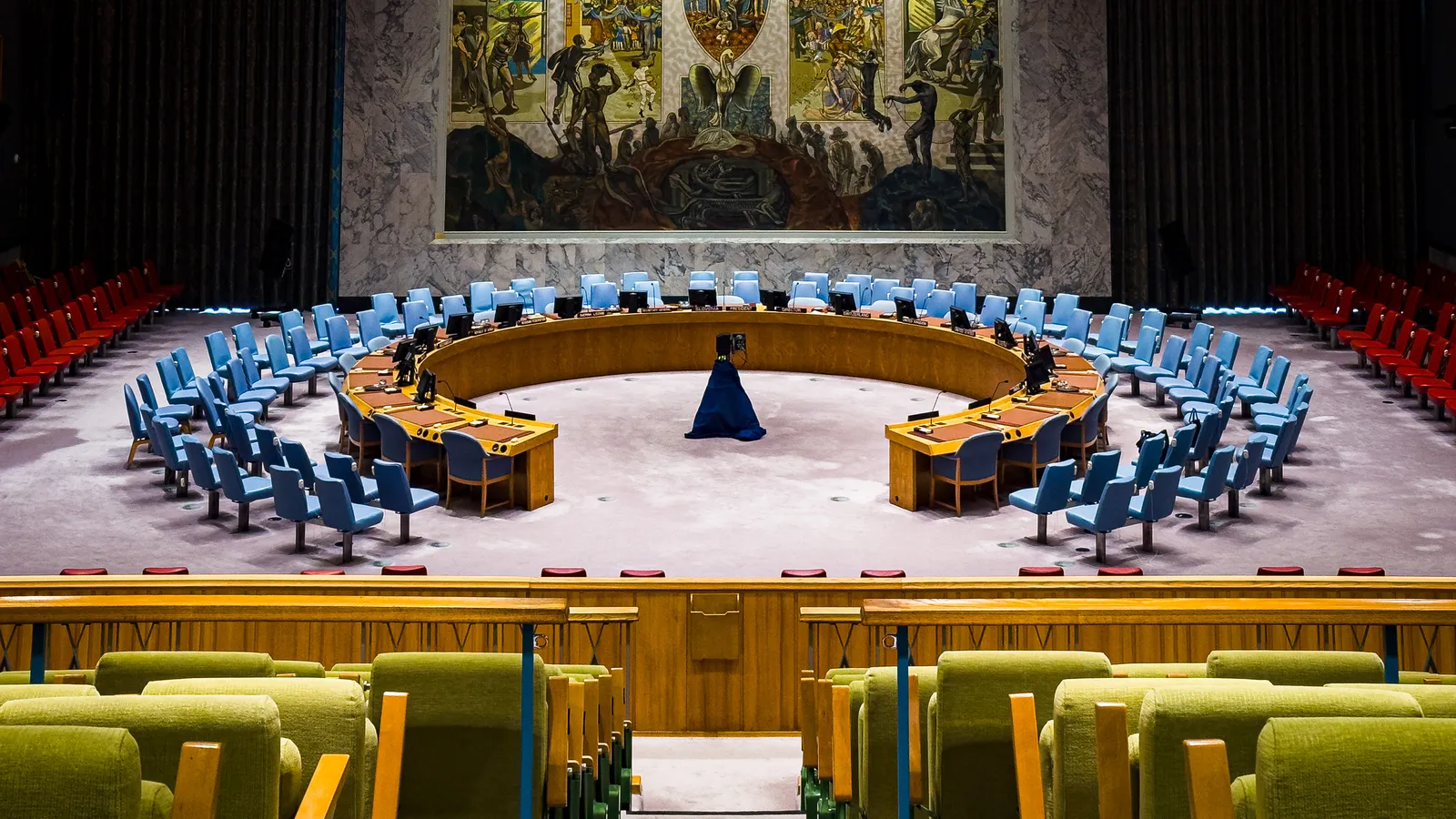
Pakistan has asked the United Nations Security Council to keep any decision to use nuclear weapons in human hands, and to bar artificial intelligence from ever being used against the systems that command and control those weapons. Syed Haider Shah, Pakistan’s permanent representative to the UN, made the case at the Council’s high-level open debate on conflict resolution in an era of rapid technological change, Dawn reported from New York. Pakistan’s mission posted the statement on Tuesday, New York time.
View this post on X
Nowhere is this more critical than in the nuclear field, Shah told the chamber: any decision to use nuclear weapons must stay under human control. In his words, AI must “never” be used against the systems that command and communicate with nuclear forces.
The core of Pakistan’s argument
Shah said fast-moving technologies were making security problems quicker, bigger and more tangled, and could feed the arms race. He argued that technology is neutral and its effect depends on the intentions of whoever uses it, so the priority is to keep human judgement and control at every stage of design, development and use.
His main points, as reported:
- Safeguards. States should adopt safeguards, regulations and governance frameworks so that technology serves peace and does not become an instrument of geopolitical dominance.
- Restraint. In military matters he urged restraint and trust-building steps to lower the risk of miscalculation and of leaders having minutes to decide, above all with nuclear weapons.
- No monopoly. Advanced technology, he said, must not end up in the hands of only a few powerful states. Developing countries should take part in building it, and safety rules should not become a way to deny others technology or infrastructure.
- Law. The UN Charter and international law hold whatever the technology, and states should spell out how they apply to new threats.
- Binding rules. Since these technologies are scattered across many fields, he called for layered governance, accountability and, where suitable, legally binding agreements. He warned that putting off regulation to gain an edge would not work.
Shah also raised the dangers of false information and of cyberattacks on critical infrastructure, whether by states or by non-state groups. He pointed to the use of drones and AI by terrorist groups and said this could be addressed when the Council renews its peacekeeping and other mandates. He also said the same tools could help protect civilians and UN peacekeepers.
Background: Pakistan on the Council
Pakistan is an elected member of the Security Council for 2025-26, and has used the seat to push diplomacy and mediation. Earlier this month the Council adopted a presidential statement that Pakistan initiated, urging states to keep talking even while fighting continues. Shah’s new remarks fit that line: that rules and dialogue, not only military capability, should manage risk.
Why it matters
The nuclear point carries weight in South Asia. Pakistan and India both have nuclear weapons, so the safety of command, control and communications systems is a regional concern, not only a global one. A request for “human control” costs little to say, and it is hard to verify from outside. The speech, as reported, did not propose a specific mechanism to check that any country keeps humans in the loop.
For Pakistan the argument also serves a second aim, which is access. Shah’s warning against technology monopolies and against safety rules that exclude developing countries lets Pakistan back limits on dangerous uses while keeping its claim to peaceful technology.
What to watch
- Whether other Council members, especially the permanent five, accept the call for legally binding rules or favour voluntary norms.
- Whether the idea of crisis communication and deconfliction channels between nuclear-armed neighbours is taken up in regional talks. India’s response, if any, was not reported.
- How the Council handles drones and AI when it renews mandates for UN missions.
What we do not know
- Which countries spoke in support of or against Pakistan’s proposals during the debate.
- Whether any follow-up text or presidential statement will come out of the debate.
Comments
Comments are reviewed by our editors before they appear. Please keep them civil and on topic. See our terms.
No comments yet. Be the first to share your view.