

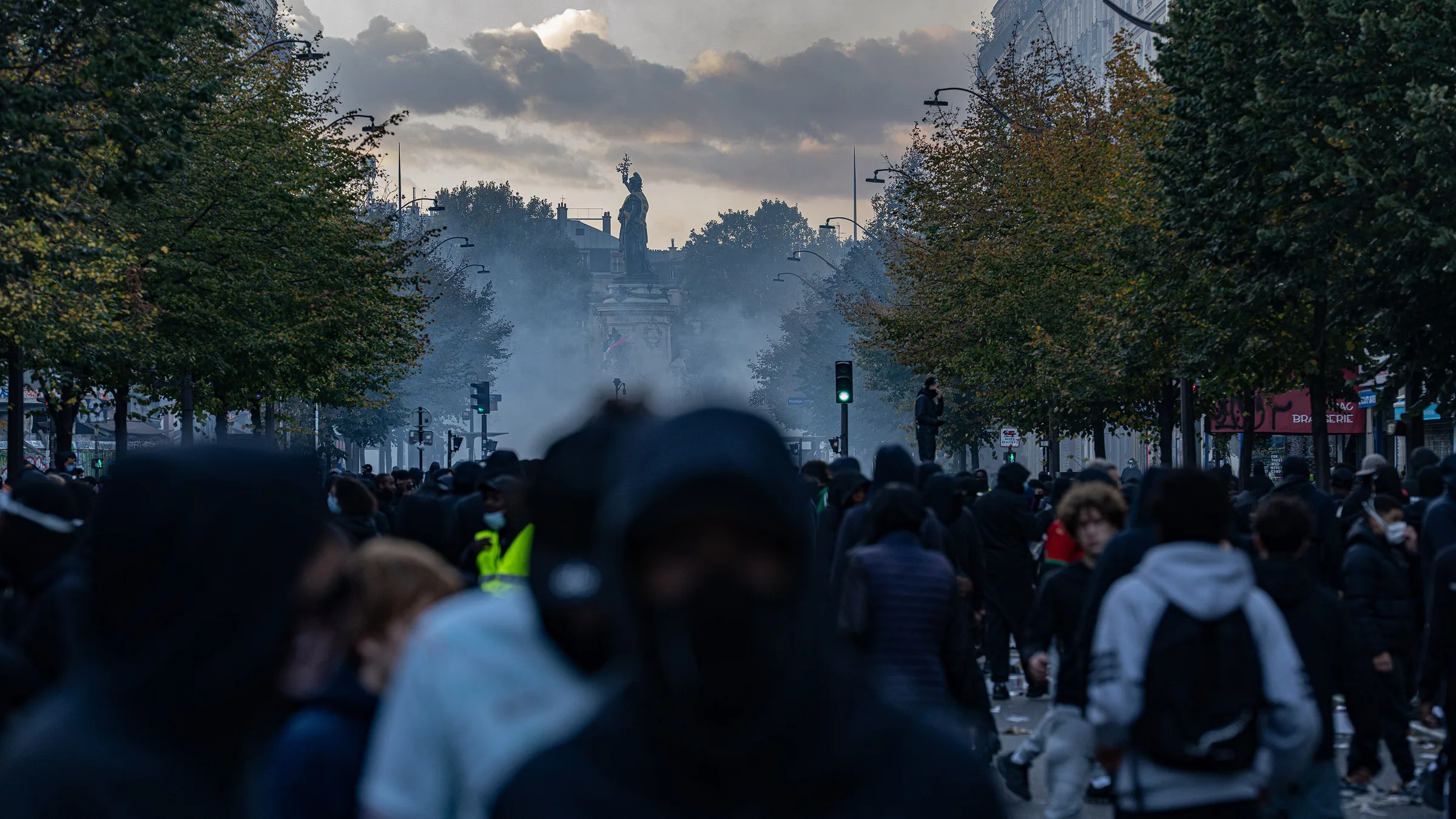
France will impose new curfews on Tuesday in areas where they are needed, Prime Minister Sebastien Lecornu said, after measures introduced in several cities the previous day “helped keep the night calm”.
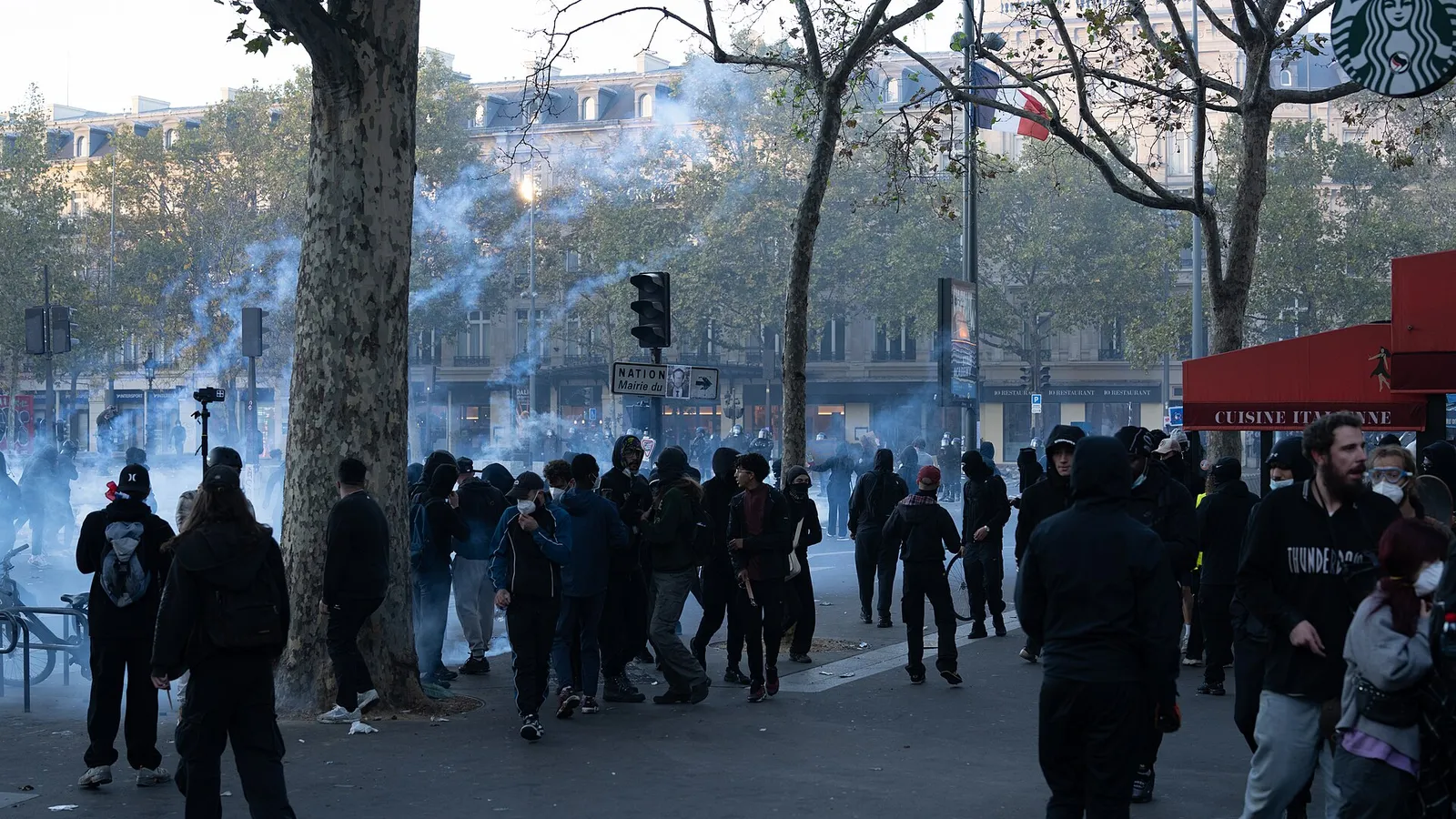
France was rocked on Saturday by some of its worst rioting in recent years, six months before it elects a successor to President Emmanuel Macron, Dawn reported, citing AFP.
“Targeted curfews have contributed to calm overnight,” Lecornu wrote on X. “Tonight new curfews will be decided where the situation requires it. These decisions will be made on the ground, by the prefects, in coordination with the mayors.”
Police said the night passed without major incidents across France.
A country under curfew
- Where: Paris, Bordeaux and Nice were among the cities that introduced partial curfews on Monday; the Paris curfew initially applied for one night, while those in Bordeaux and Nice will stay for several days
- Paris: a helicopter swept a searchlight over Place de la Republique, one of the centres of the unrest, to monitor the curfew
- Lyon: despite a protest ban, about 500 people gathered outside the tourism office that was set on fire, to support shopkeepers hit by looting
- Business: Medef chief Patrick Martin said the state had “failed”, with at least 3,000 businesses hit, according to early estimates
Accused of failing to anticipate the violence, the government held more emergency meetings on Tuesday, including with major social media platforms. Finance Minister Roland Lescure promised support for shopkeepers and craftspeople.
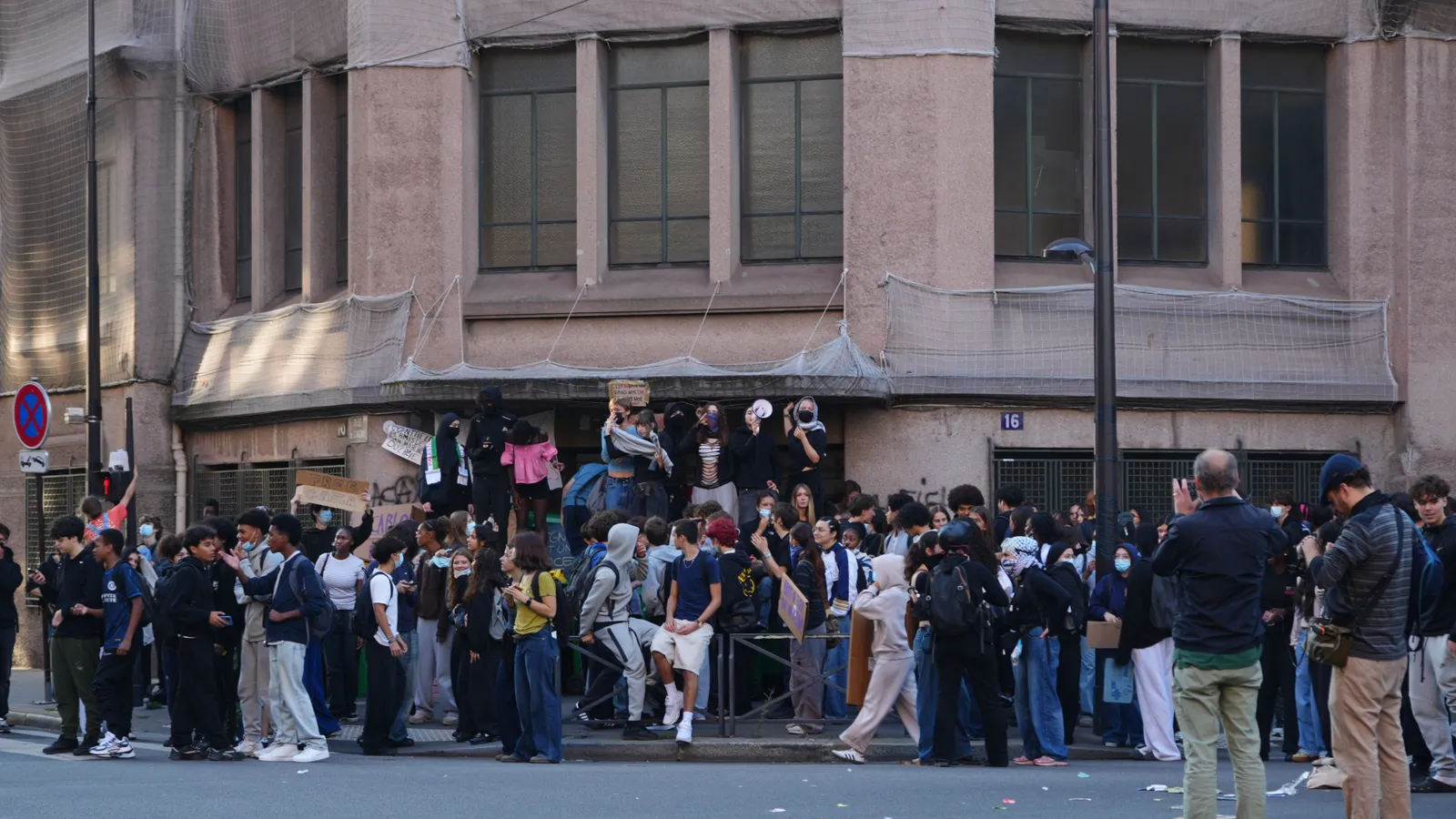
The unrest grew out of weeks of student protests over poor conditions in high schools in the northern suburbs of Paris, and turned into anger over the cost of living, with shops looted, buildings torched and a 19th-century town hall in Limoges set on fire.
Europe’s fuel anger
Across Europe, soaring fuel prices are driving unrest and giving fresh momentum to far-right parties ahead of elections next year in countries including France, Italy and Poland, Reuters reported.
The US-Iran war, which began in February, sent energy prices sharply higher. The European Commission estimates the conflict has cost Europe about 100 billion euros ($112 billion) through disrupted trade and energy markets. Gas prices have jumped about 140 percent and diesel prices have doubled.
“I find the current cost of living truly terrifying,” said Quentin Leviloux, a 21-year-old protester in Nantes.
- Italy: police clashed with protesters in Milan on Sunday, and farmers, truckers and steelworkers have blocked roads in the south; “We cultivate the land, we harvest debts,” read one farmers’ banner in Sicily
- Portugal: tens of thousands marched in Lisbon on Saturday over low wages and housing costs
- Germany: the far-right AfD leads national polls, with energy inflation at 14.9 percent in September
Le Pen on the rise
In France, far-right frontrunner Marine Le Pen of the National Rally and hard-left veteran Jean-Luc Melenchon have both put fuel prices at the centre of their campaigns for April’s presidential election. Le Pen’s ratings have improved since the Iran war began, while Macron’s have slipped, according to Elabe polling.
“Rising fuel prices are clearly an issue that boosts Marine Le Pen,” said Gilles Ivaldi of Sciences Po.
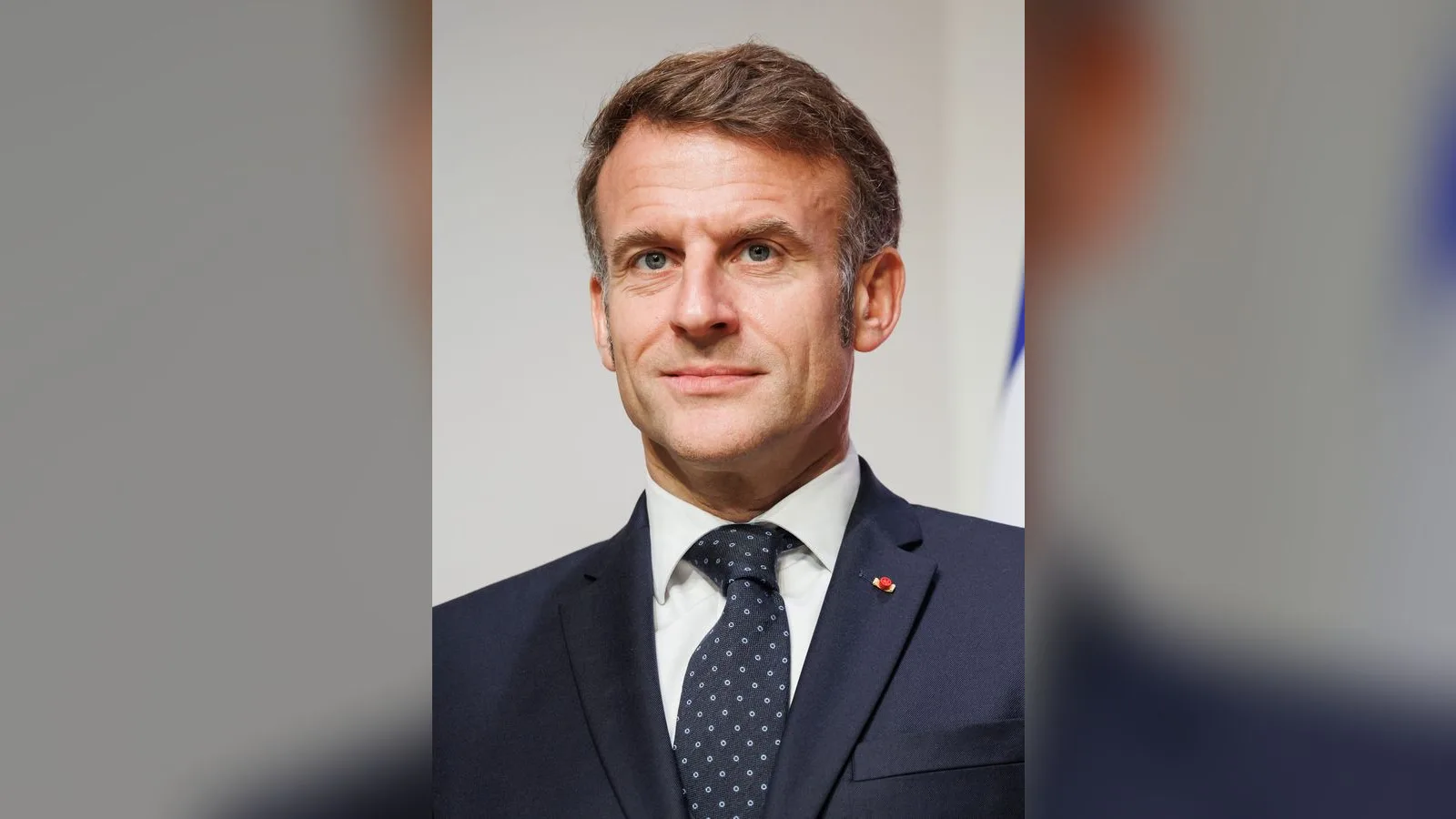
Macron acknowledged the “legitimate demands” of protesters while condemning the violence. “We must never confuse them with those who destroyed, vandalised and looted,” he said.
Why it matters
The Iran war is now reshaping politics far from the Gulf. Europe’s cost-of-living anger is boosting parties that want to restore energy ties with Russia, which could weaken Western support for Ukraine. Read our reports on France’s crisis cabinet and on Trump’s warning that the US could “burn” like France.
This article draws on reporting by Dawn, AFP and Reuters.
Comments
Comments are reviewed by our editors before they appear. Please keep them civil and on topic. See our terms.
No comments yet. Be the first to share your view.