
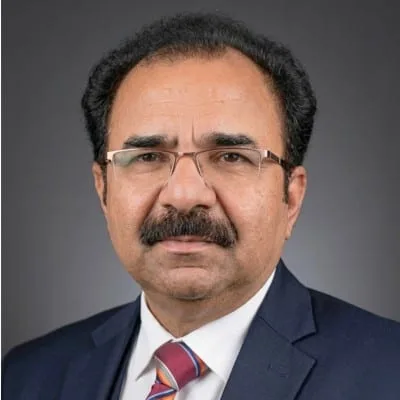
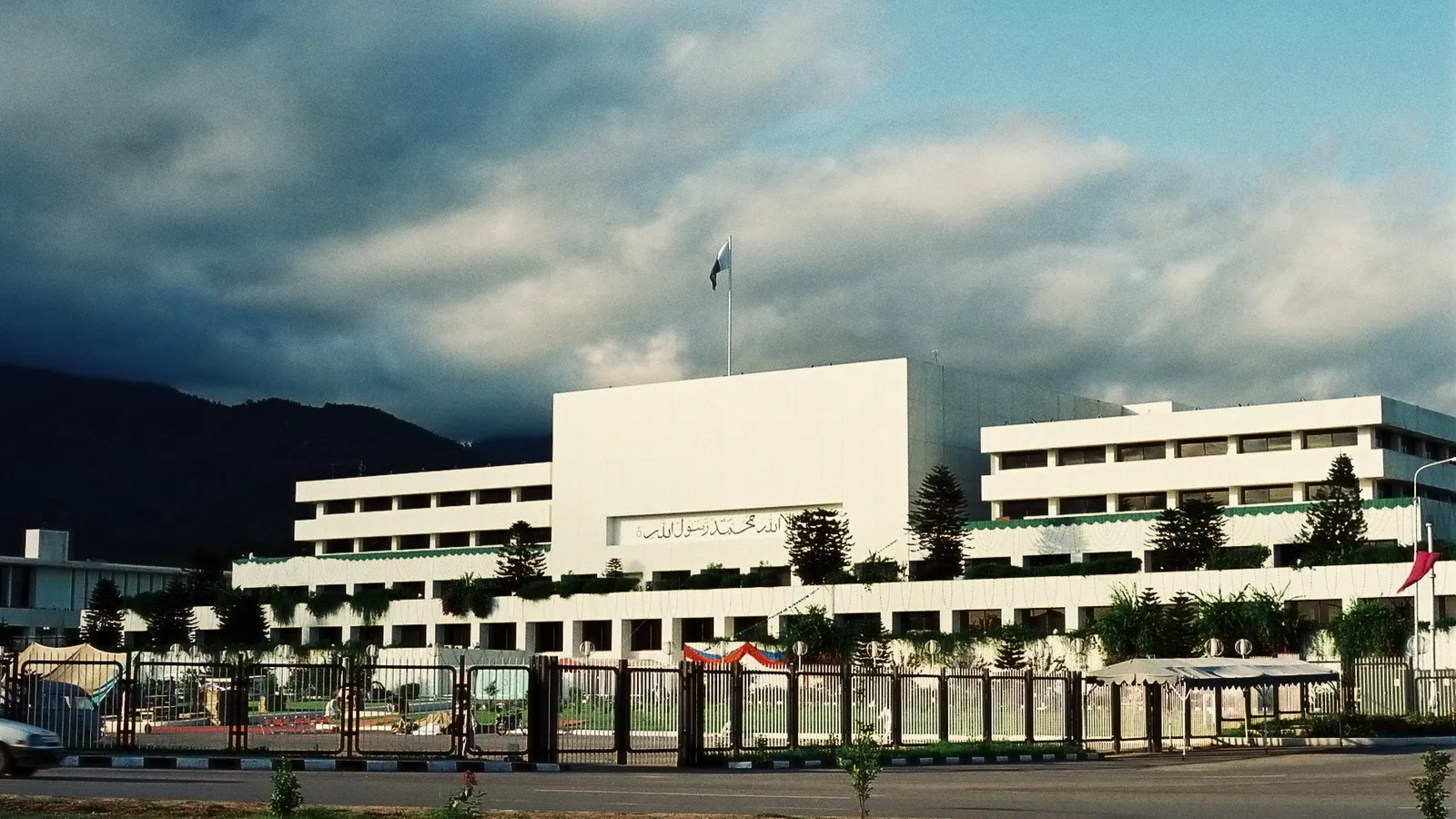
A senator who leads a Senate sub-committee on devolution has accused the federal government of spending more than Rs5 trillion on subjects that belong to the provinces. The claim was made on Tuesday by Senator Barrister Zamir Hussain Ghumro of the Pakistan Peoples Party, who chairs a sub-committee of the Senate Functional Committee on Devolution. It is his reading of the audit data and the Constitution, and the government’s answer has not yet been reported.
The claim
Mr Ghumro, citing the Auditor General of Pakistan’s report, said the Centre spent more than Rs5tr, equal to over $18 billion, on devolved provincial subjects and on ministries that handle matters meant for the Council of Common Interests (CCI), in violation of the Constitution. He said the country faces twin problems of very high federal spending and heavy borrowing, which he put at $135 billion.
On his numbers, federal spending is about Rs19tr a year and total tax and non-tax revenue is Rs20tr, which he said leaves nothing for the provinces and forces the Centre to borrow. He argued that if the 18th Amendment had been fully implemented, and CCI matters handed to the council’s permanent secretariat as Article 154 envisages, Pakistan would not have needed IMF programmes. Over 15 years, he said, the IMF gave Pakistan $15bn while the federal government spent $18bn to $20bn on devolved ministries and institutions.
| Figure quoted by the senator | Amount |
|---|---|
| Federal spending on devolved subjects, per the Auditor General’s data | More than Rs5 trillion (about $18bn) |
| Federal spending now | About Rs19 trillion a year |
| Tax and non-tax revenue | About Rs20 trillion |
| Borrowing he cited | $135 billion |
| IMF money over 15 years | $15 billion |
These are the senator’s figures and comparisons. The sums have not been checked against the audit report in this account, and the link he draws between devolved spending and IMF borrowing is an argument, not an established finding.
The legal argument
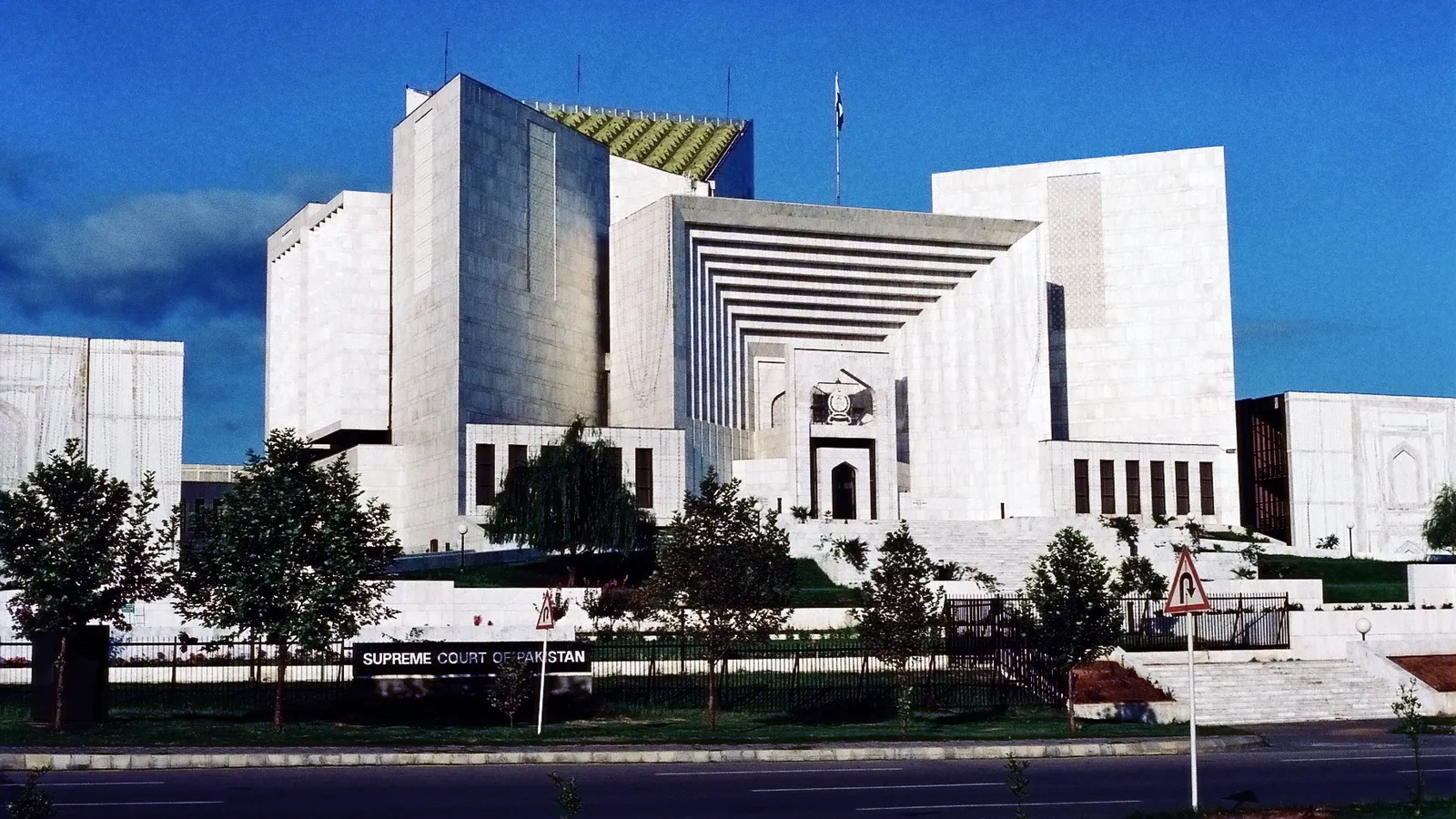
Mr Ghumro said the federal government may spend from the Federal Consolidated Fund only on federal matters: the “charged” expenditure such as the pay and perks of the president, the Senate and National Assembly chairs, the Auditor General and the judges, and debt servicing, plus the demands for grants of ministries that handle federal subjects. “It must not spend a penny on provincial or other purposes,” he said. Health, education, housing, sanitation and water are provincial matters, he added, so a taxpayer cannot be made to pay the federal government for services it is not constitutionally meant to provide.
He said neither the Finance Ministry nor the Auditor General can authorise such spending, and that under Articles 154 and 97, executive authority over the Federal Legislative List’s second part belongs to the CCI and not the cabinet.
Ministries and jobs
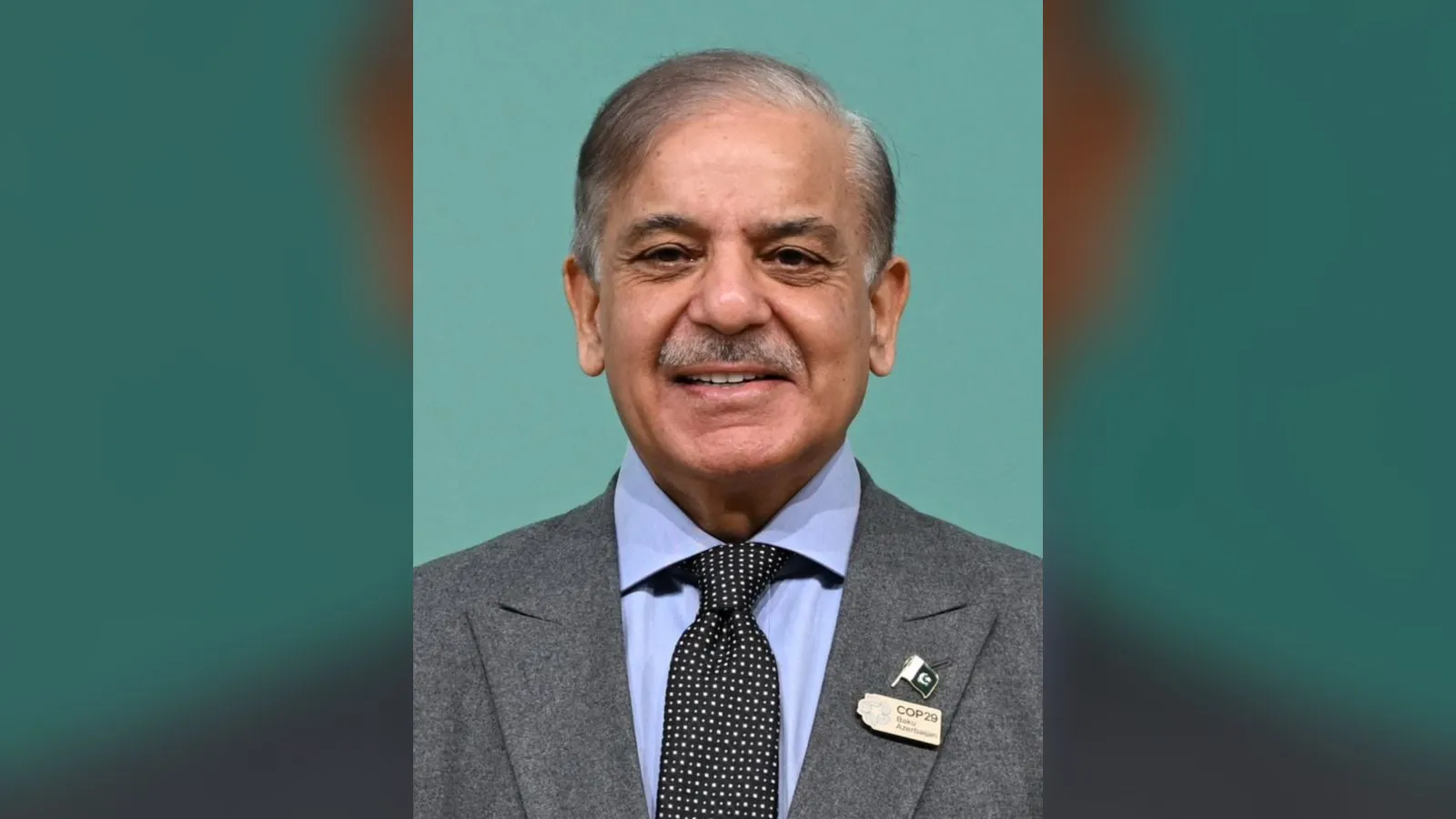
The senator said the CCI and the Cabinet Division have sent summaries to the prime minister to abolish 24 ministries and institutions, which would cut federal spending, but the prime minister has not yet responded. He told them to send a fresh note.
The same sub-committee has raised the subject before. In July the parent committee expressed serious concern over federal ministries being set up again for subjects handed to the provinces, and last month the sub-committee asked for a probe into Rs2.6tr spent by the federal education and health ministries.
On jobs, the Establishment Division told the panel that 5,000 posts have been advertised to correct Balochistan’s share under Article 38(g). Mr Ghumro said the committee found a shortage of more than 30,000 jobs in Balochistan’s quota and more than 80,000 in Sindh’s. The Federal Public Service Commission said appointments for both provinces would be sped up after earlier backlogs were cleared and that a special CSS examination was held. The panel noted that very few senior posts, such as secretaries and chief executives, are held by people from those provinces.
Why it matters
The 18th Amendment of 2010 moved a wide range of subjects, including health and education, to the provinces. Yet federal ministries on the same subjects have continued to exist or have been revived, and the argument over who should pay and who should run them is at the centre of Pakistan’s budget politics and its dealings with the IMF. The idea of creating more provinces, which Defence Minister Khawaja Asif backed this week, as we reported, raises the same question about where power and money should sit.
What we do not know
- Whether the government accepts the Rs5tr figure or has its own calculation.
- Whether the prime minister will act on the proposal to abolish 24 bodies.
- When the Balochistan and Sindh job shortfall will be filled.
What to watch is the Finance Ministry’s and Cabinet Division’s reply, the next meeting of the sub-committee, and whether the issue appears in the next budget discussion.


Comments
Comments are reviewed by our editors before they appear. Please keep them civil and on topic. See our terms.
No comments yet. Be the first to share your view.