

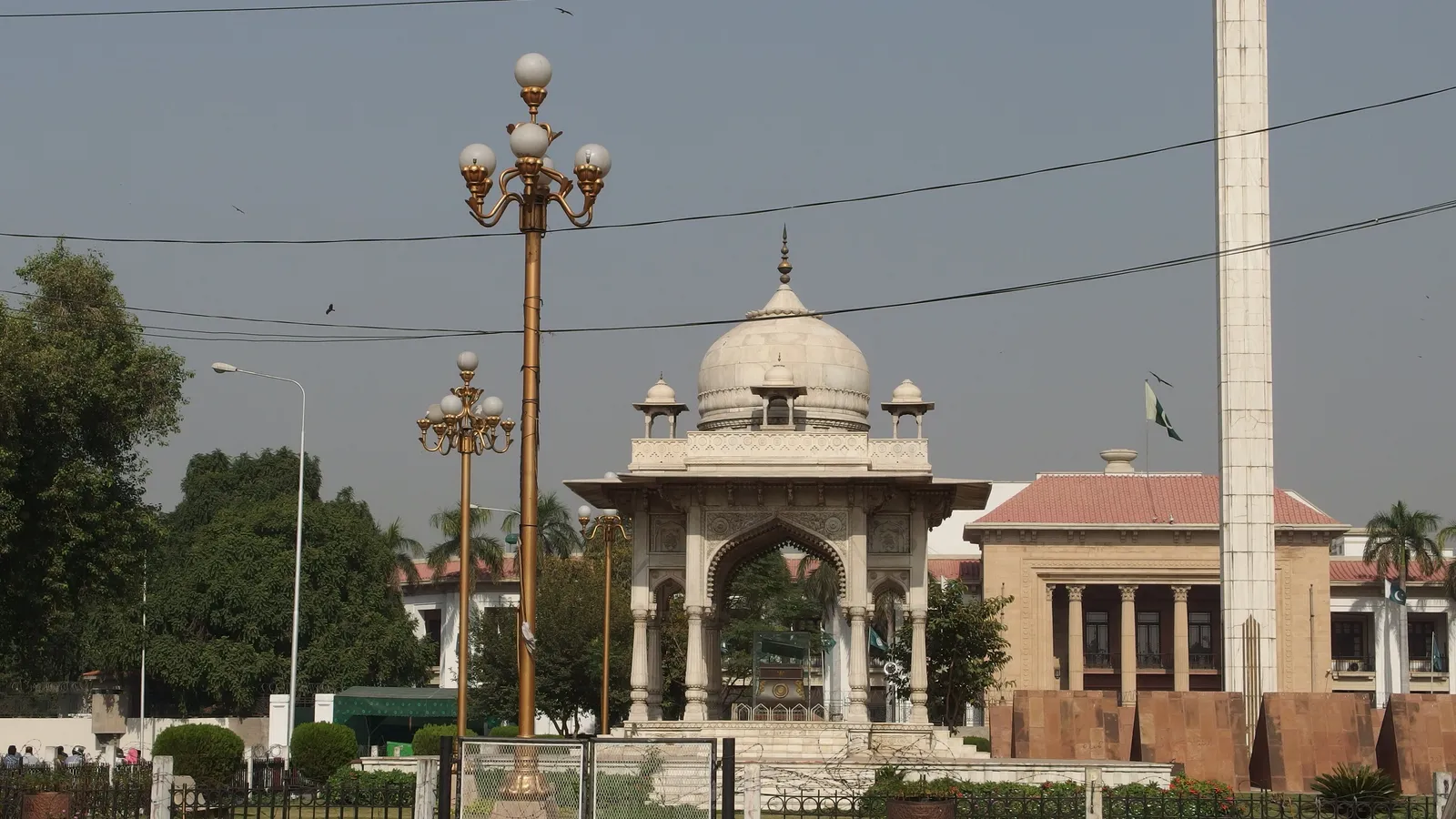
A PTI member of the Punjab Assembly has written to the speaker accusing the provincial government of using lawmaking to take control instead of winning consent. Rana Aftab Ahmad Khan, who represents PP-108, said in his letter that the government’s whole legislative agenda points one way, towards “absolute control”, Dawn reported on Thursday.
He named two measures: the habitual offenders and anti-social behaviour bill that Punjab’s government drafted this year, and the wider enforcement powers given to the Punjab Enforcement and Regulatory Authority (PERA). Both have been contested before. This article lays out what the letter says, what those two measures do, and what is not known.
What the letter says
According to Dawn, Mr Khan wrote that:
- each new law appears built to strengthen the executive and silence dissent rather than to protect citizens, a pattern he described as more power for the government and fewer safeguards for the people;
- the government has mixed up the rule of law, under which the state answers to the law, with rule by law, under which the law becomes a tool of the state;
- bills are being rushed through the Assembly, meaningful consultation is avoided, and opposition objections are ignored; and
- the Assembly’s job is to scrutinise and question the executive, not to endorse its decisions.
He also said the opposition is not against legislation, administrative reform or good governance. Its objection, he wrote, is to laws that undermine constitutionalism, compromise basic rights and remove checks and balances. He asked why a government confident in its record needs ever more restrictive laws.
The constitutional articles he cites
| Article | Protection |
|---|---|
| 4 | The right to be treated in accordance with law |
| 10-A | Fair trial |
| 14 | Dignity of the person |
| 16 | Freedom of assembly |
| 17 | Freedom of association |
| 19 | Freedom of speech |
Mr Khan said ordinary legislation cannot be used to trade these rights away.
The habitual offenders bill, as reported earlier
Dawn reported in June that the bill would set up intelligence committees at provincial, divisional and district levels to deal with public nuisance and misuse of social media. It lists many kinds of “anti-social behaviour”, among them gambling and liquor dens, online blackmail, displaying weapons on social media, spreading disinformation and posing as a public servant. District committees could demand surety bonds and recommend penalties including blocking ID cards and passports, freezing bank accounts, deleting online accounts and seizing electronic devices.
For people formally declared habitual offenders, such as those repeatedly arrested for theft, extortion, robbery or narcotics, a magistrate could order an electronic monitoring device for at least three months, on a police application. Their biometrics, fingerprints and DNA would be kept in a new provincial registry. Breaking an order of a committee could bring up to four years in prison and a fine of up to Rs1.5m.
The draft’s stated aim, as Dawn described it, is to restore the state’s authority and improve public safety. The Human Rights Commission of Pakistan (HRCP) said the bill seems to give the executive sweeping powers without enough judicial oversight, and Opposition Leader Moin Riaz Qureshi called it a bid to silence critics.
What happened to the bill
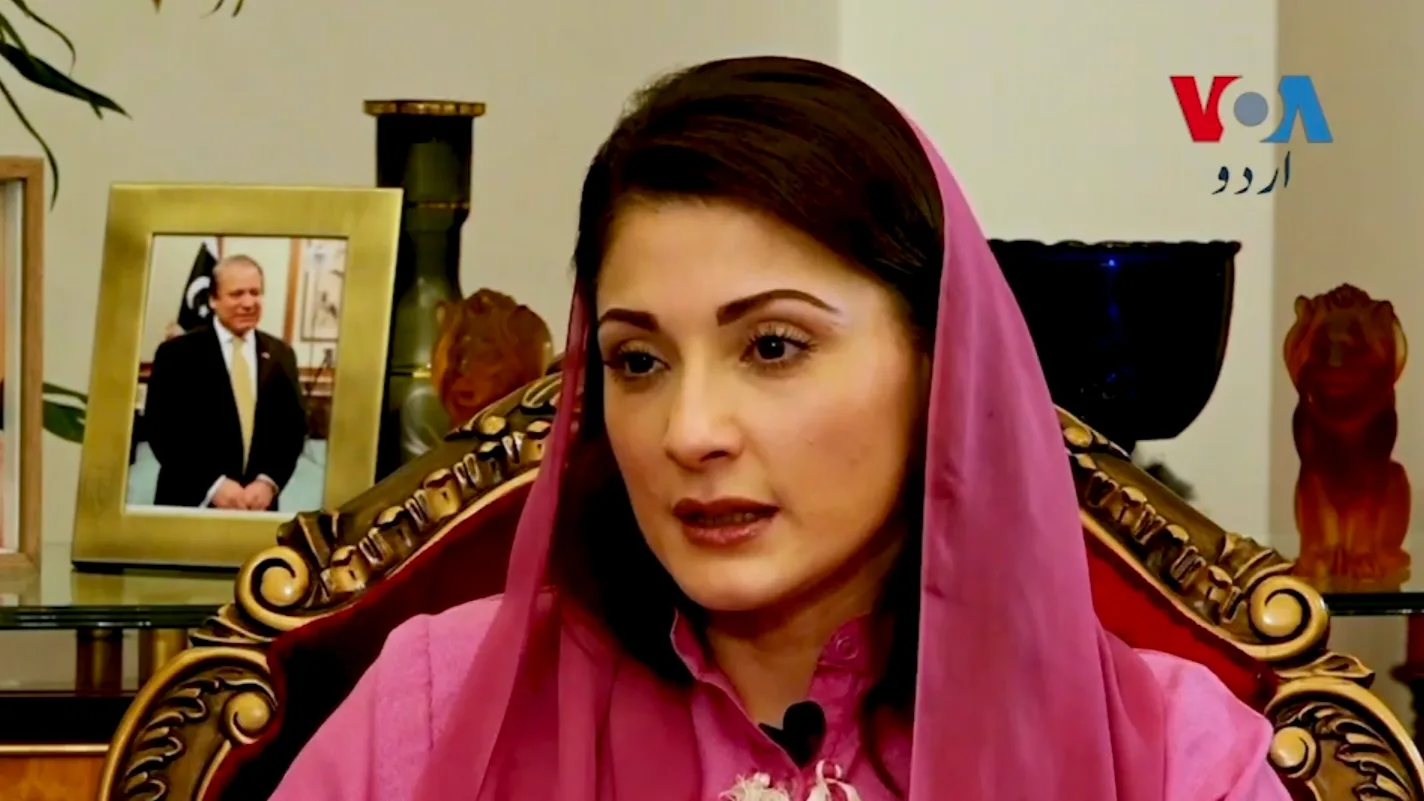
The bill had been cleared by the standing committee on law, and Speaker Malik Muhammad Ahmad Khan said on June 28 that he had not known it had been laid before the House. He said then that a law reminiscent of the colonial era could not be introduced. On July 1 he told the House that Chief Minister Maryam Nawaz had directed a complete reconsideration and redraft after strong opposition, including from within her party in the Assembly. The Assembly secretariat would return the bill to the law department, he said, and it would be redesigned and presented again. Mr Khan had written to the secretariat about it at that time too.
PERA
PERA was set up under a 2024 law to enforce three existing laws: on colonisation of government land, hoarding and price control. Dawn reported at the time that the bill allowed “enforcement stations” parallel to police stations, and gave enforcement officers powers to inspect, search, seize goods and make arrests. Critics, in Dawn’s words, saw an attempt to take over police powers, and lawmakers raised concerns that bureaucrats would hold a majority on its board. The government’s stated aim was a “uniform overarching strategy” on regulatory compliance.
What the report leaves out
Dawn’s story carried no response from the Punjab government. It did not say whether a revised version of the habitual offenders bill has been presented again, or on what date the letter was sent. Without that, the letter reads as a continuing argument and not a reaction to a vote this week.
Why it matters
The argument is about process as much as content. Both sides say they want public safety. The dispute is over who decides, and with what checks: committees of officials, or courts. The speaker’s own remarks in June suggest the concern is not only on the opposition benches. Our columnist Bilal Javed made a related case in a piece on why politics needs rules before deals, and Bilawal Bhutto-Zardari’s recent calls to end “vengeful actions” show the same theme at the national level.
What to watch: whether the redrafted bill returns to the House, whether it requires a judge’s approval before property is seized or accounts are frozen, and whether the government answers the letter.



Comments
Comments are reviewed by our editors before they appear. Please keep them civil and on topic. See our terms.
No comments yet. Be the first to share your view.