
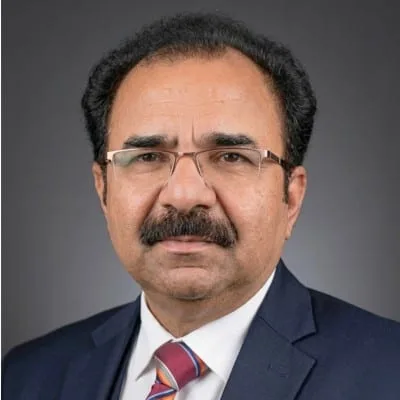
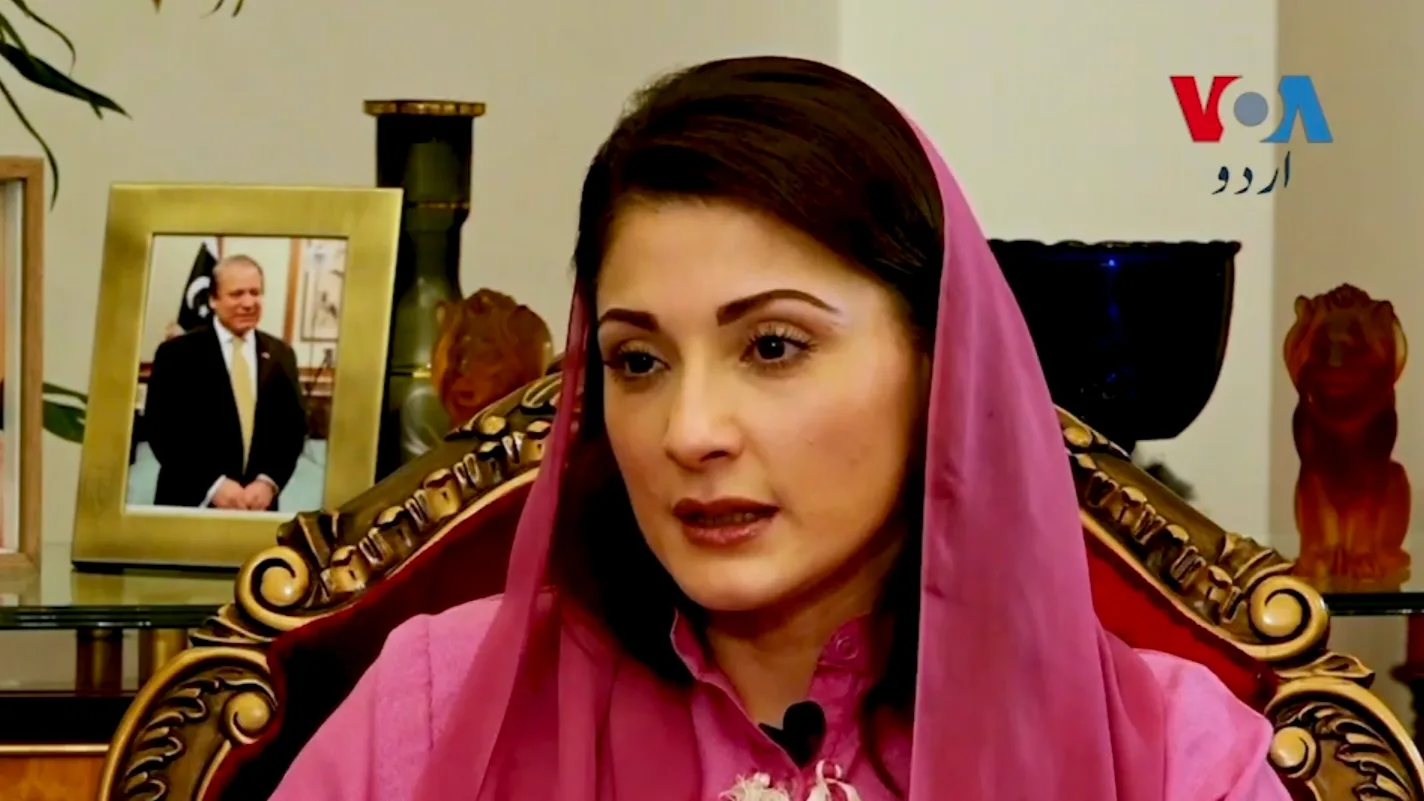
Punjab Chief Minister Maryam Nawaz has given Inspector General of Police (IGP) Abdul Kareem a free hand to transfer 15 district police officers (DPOs) and four regional police officers (RPOs) because of poor performance, Dawn reported, citing an official who was present at the meetings.
How the list was drawn up
The officers came under scrutiny after performance evaluation reports prepared by Shoaib Mirza, the chief minister’s special assistant, who assessed the crime graph and the law-and-order situation in each district. According to the reports, shared with the IGP, crime against women and children rose “manifold” in 15 marked districts, and gang-rape incidents also surged there.
The official said the decision came at a follow-up meeting at the Central Police Office in Lahore, after a video-link conference in which the chief minister voiced displeasure with low-performing officers. Under the monthly key performance indicator system, 15 districts were marked as weak on crimes against women and children and other heinous crimes.
The DPOs placed under close scrutiny are those of Layyah, Lodhran, Multan, Khanewal, Chakwal, Khushab, Mianwali, Murree, Rajanpur, Rahim Yar Khan, Vehari, Sargodha, Kot Addu, Gujrat and Bhakkar.
What was said in the meetings
- Rawalpindi: RPO Babar Sarfraz Alpa was at the centre of discussion after special reports highlighted several cases of crime against women and children in the city.
- Faisalabad: RPO Inamur Rehman Malik was asked why property crime had risen “all of a sudden” in recent weeks.
- Multan and DG Khan: the IGP asked the RPOs to improve their supervision to bring crime down.
- The Qadri case: Maryam raised the killing of industrialist Mian Rehan Ashraf Qadri in the heart of a city, allegedly shot on October 17 while trying to recover his stolen vehicle, saying it was enough to establish poor performance.
- Murree: the special report showed homicides up by 75 in the district, and its DPO clarified the crime situation.
- Layyah: the chief minister admonished the DPO for ranking lowest on the indicators and told the DG Khan RPO to find out why the district missed its targets.
Some officers pushed back. Sargodha RPO Sohail Sukhera and Counter Terrorism Department chief Wasim Sial said the DPOs of Sargodha and Mianwali had performed well, noting that they had carried out raids even in Khyber Pakhtunkhwa with CTD personnel while pursuing proclaimed offenders. Lahore’s Capital City Police Officer Bilal Siddique said the provincial capital’s crime graph was better than that of other big cities once its larger population was taken into account.
A warning to the force
The official said Maryam showed displeasure at the rise in gang rapes, saying social media was full of such cases. She referred to high-profile cases of gang rape and crime against children that had been widely discussed on X, and warned officers she would not tolerate the exploitation of women and children “at any cost”.
In a separate meeting, the IGP told all DPOs and RPOs that a high-profile review would be held after four weeks, giving a clear signal that officers would be transferred if their performance did not improve against the indicators.
Read our earlier report on the Lahore High Court’s concern over more than 500 pending cases of missing girls, in which Punjab’s police chief urged a change in police mindset.
What we know and what we don’t
What we know: the number of officers, the districts under scrutiny, the four-week review and the reasons given.
What we don’t know: which of the 19 officers will actually be moved, since the reports describe a free hand rather than a list of orders, and what yardsticks beyond the monthly indicators are being used. Dawn’s account comes from a single official, and the evaluation report was not made public in the reporting we drew on.
Why it matters
For families in the marked districts, the measure is a signal that the provincial government is tying police postings to results on crimes against women and children. Transfers alone do not fix investigations, however. The test will be whether complaints are registered promptly, whether cases reach court with strong evidence, and whether the next set of figures shows a fall. Officers who say their districts have been judged unfairly will want to see the criteria. The review in four weeks will be the first real check.
This article draws on reporting by Dawn.

Comments
Comments are reviewed by our editors before they appear. Please keep them civil and on topic. See our terms.
No comments yet. Be the first to share your view.