
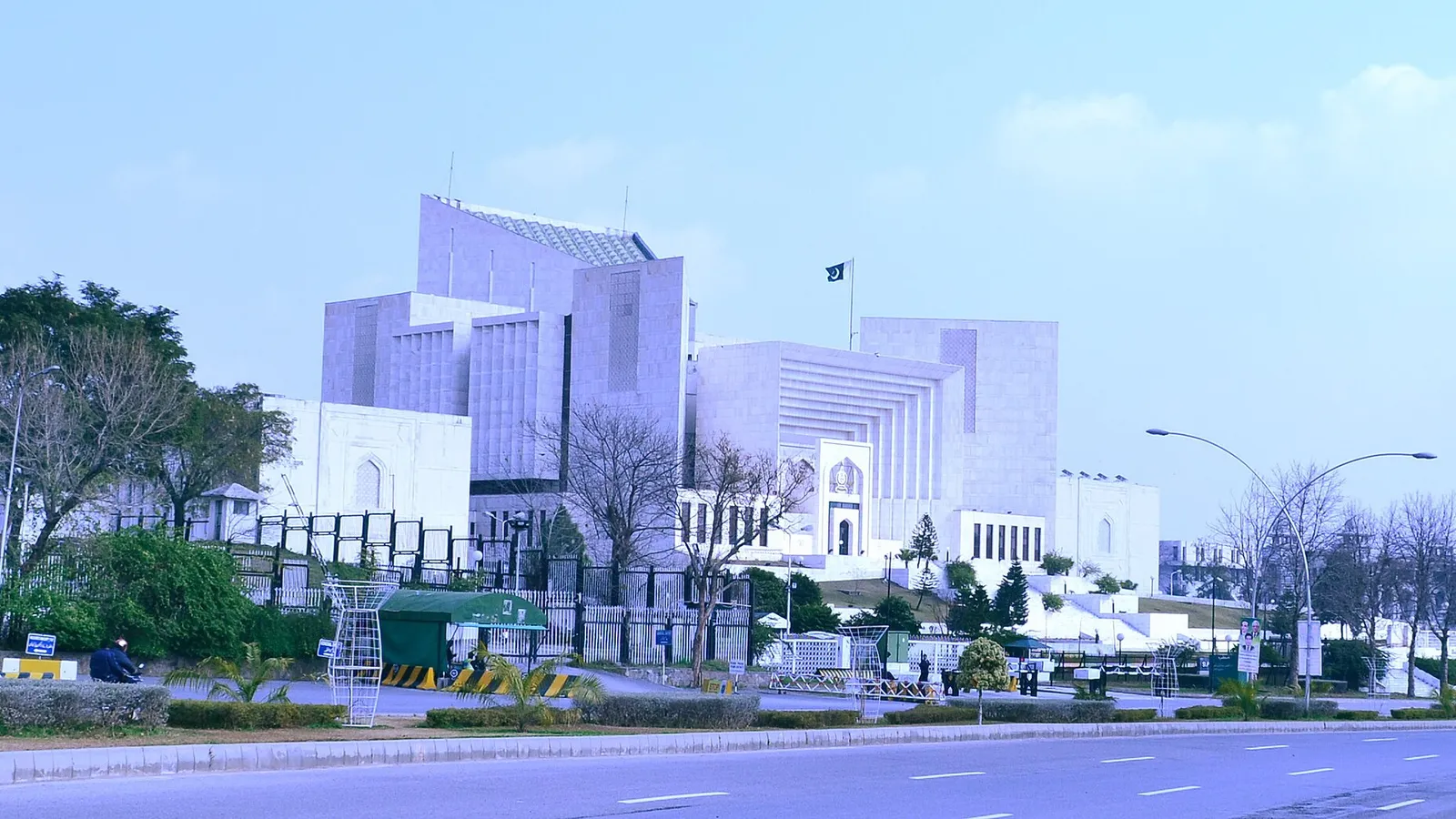
The Supreme Court has said it is “a profound shame” on the conscience of any civilised society when a man, failing to win a woman’s affection, answers her refusal with violence, as it rejected a convicted murderer’s plea to have his death sentence reduced.
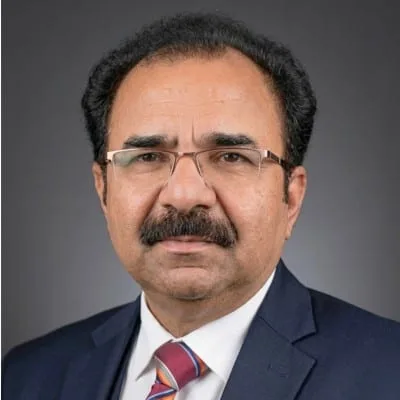
“The sole reason he takes her life is to appease his wounded ego, as he was unable to secure her hand and marry her,” Justice Muhammad Hashim Khan Kakar wrote in a nine-page judgment, Dawn reported. The three-member bench also included Justices Salahuddin Panhwar and Ishtiaq Ibrahim.
The case
The bench dismissed a criminal review petition by Muhammad Kamran, who was convicted of murdering a woman after she and her family rejected his marriage proposal. Kamran, who has spent about 15 years on death row, asked for his sentence to be commuted to life imprisonment.
The court ruled that a condemned prisoner could not claim, as a right, that serving 14 or 15 years put him in the same position as someone sentenced to life. “The distinction does not lie in the number of years already spent in prison, but in the sentence which the court actually imposed,” it said.
It called the attempt to present a woman’s lawful refusal as “provocation” or a mitigating circumstance an “absurd ground”, saying no one had the right to take another’s life for refusing a proposal. Accepting that argument would amount to judicial endorsement of the idea that a woman’s will is subordinate to a man’s preference, it said.
“Her fundamental right to say ‘no’”
“Marriage is a mutual, voluntary covenant that necessitates free consent of both parties,” the judgment said. A woman “challenges the suitor’s perceived ownership when she exercises her fundamental right to say ‘no’”, and under a patriarchal mindset the man takes this as a blow to his “honour”, which “results in stalking, home invasion, acid violence or femicide”.
Customs that deny women a choice
The court described several customs in which a woman’s consent is ignored:
- Ghag: a man unilaterally claims a woman as his bride, historically by firing shots outside her home or by public declaration, which can leave her unmarried for years or decades. The Khyber Pakhtunkhwa Elimination of Custom of Ghag Act, 2013, made it a cognisable, non-bailable and non-compoundable offence
- Swara (vani or badal-e-sulh): a girl or young woman from an offending family is given in marriage to the victim’s family as compensation through a jirga decision. It was criminalised in 2004 and further addressed by the Prevention of Anti-Women Practices Act, 2011
- Watta-satta: an exchange marriage in which a brother and sister from one family marry a sister and brother from another, often at the cost of the bride’s wellbeing
“The common thread that unites all of these customs is that in this male-dominated society having patriarchal customs and traditions, a woman’s assent to her own marriage is considered irrelevant,” the court said.
Islam and the law
The judgment said this mindset could not be reconciled with Islam, which requires a woman’s free assent for a valid nikah. Any adult, man or woman, is equally entitled to decide whether, when and whom to marry, and this right belongs to the woman herself, not as a concession from her family or tribe.
It also noted that Pakistan is a party to the Convention on the Elimination of All Forms of Discrimination Against Women (CEDAW), whose Article 16 requires states to ensure women can freely choose a spouse. “A domestic custom or such prevalent mindset that nullifies this choice by force cannot be permitted to survive under the guise of local practice,” it said.
Why it matters
The judgment sends a clear message from the country’s top court: a woman’s refusal is her right, never an excuse for violence. “There is no excuse for such behaviour, regardless of whether it is committed in the name of honour, custom, injured pride, or emotions,” the court said. Read our report on women prisoners’ access to healthcare and legal aid in KP.
This article draws on reporting by Dawn.


Comments
Comments are reviewed by our editors before they appear. Please keep them civil and on topic. See our terms.
No comments yet. Be the first to share your view.