
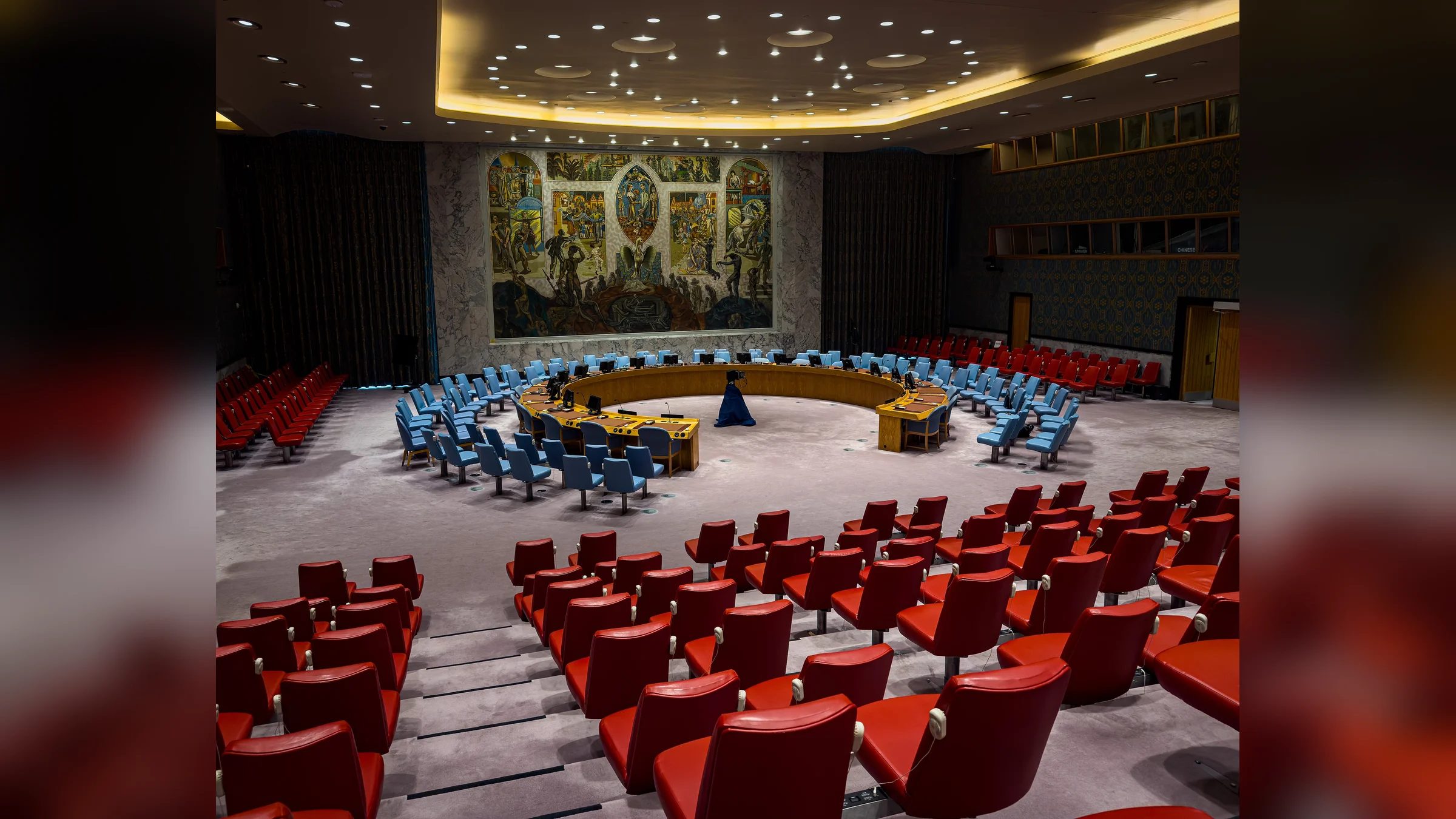
Pakistan has called for the Security Council veto to be abolished or severely restricted, telling the UN General Assembly that its misuse has left the 15-member body in “institutional paralysis”, Geo News reported.
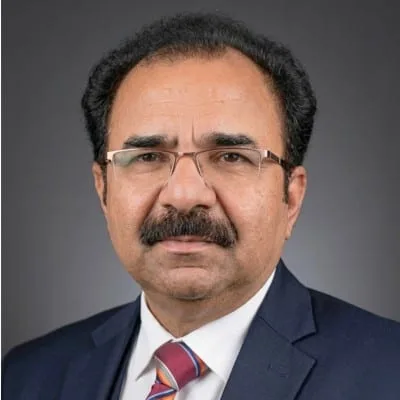
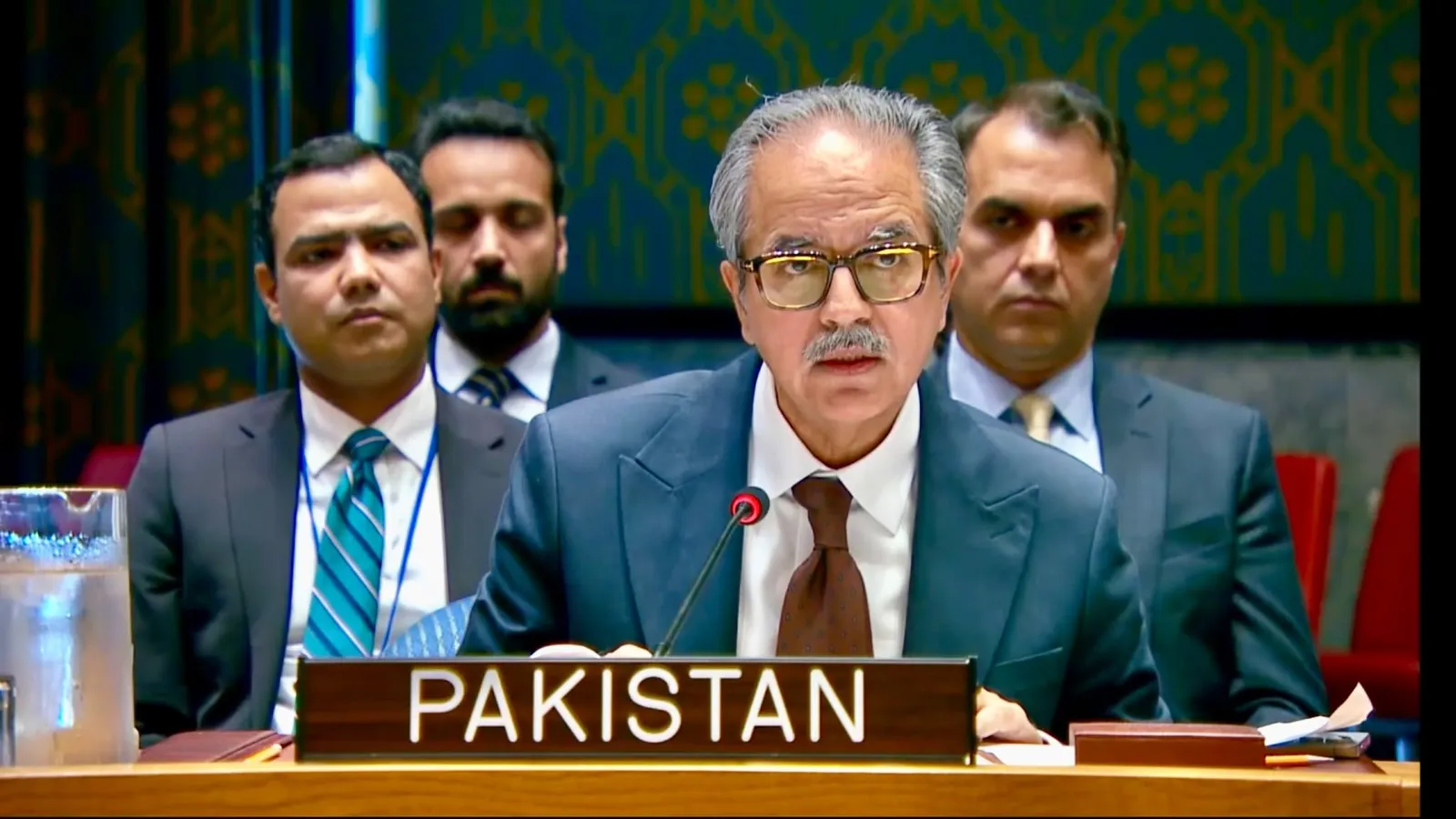
“We believe that the veto should be abolished or at least severely restricted; it must not be expanded,” Gul Qaiser Sarwani, counsellor and political coordinator at Pakistan’s UN mission, told the Assembly on Monday.
“The problems cannot be the solution”
Sarwani said misuse of the veto undermined the Council’s effectiveness and the credibility of the UN, while giving the five permanent members, the US, Russia, China, France and Britain, “unmatched influence throughout the UN system”.
He warned against adding permanent seats, with the campaign by India, Brazil, Germany and Japan for such seats in mind. More permanent members and more vetoes would deepen inequalities, entrench historical privileges and raise the risk of paralysis, he said. “Let us be clear: the problems cannot be the solution.”
Pakistan, with Italy, leads the Uniting for Consensus (UfC) group, which opposes any new individual permanent members on an expanded Council.
Pakistan’s alternative
Sarwani said the veto’s power to block could be balanced in two ways:
- Limits on its use: restrictions consistent with the UN Charter.
- More elected members: a larger role and larger number of elected Council members, which would change the threshold for decisions and act as a check on the veto.
The veto initiative
The debate was held under resolution 76/262, adopted in April 2022, which requires the General Assembly to meet within 10 working days whenever a veto is cast in the Council.
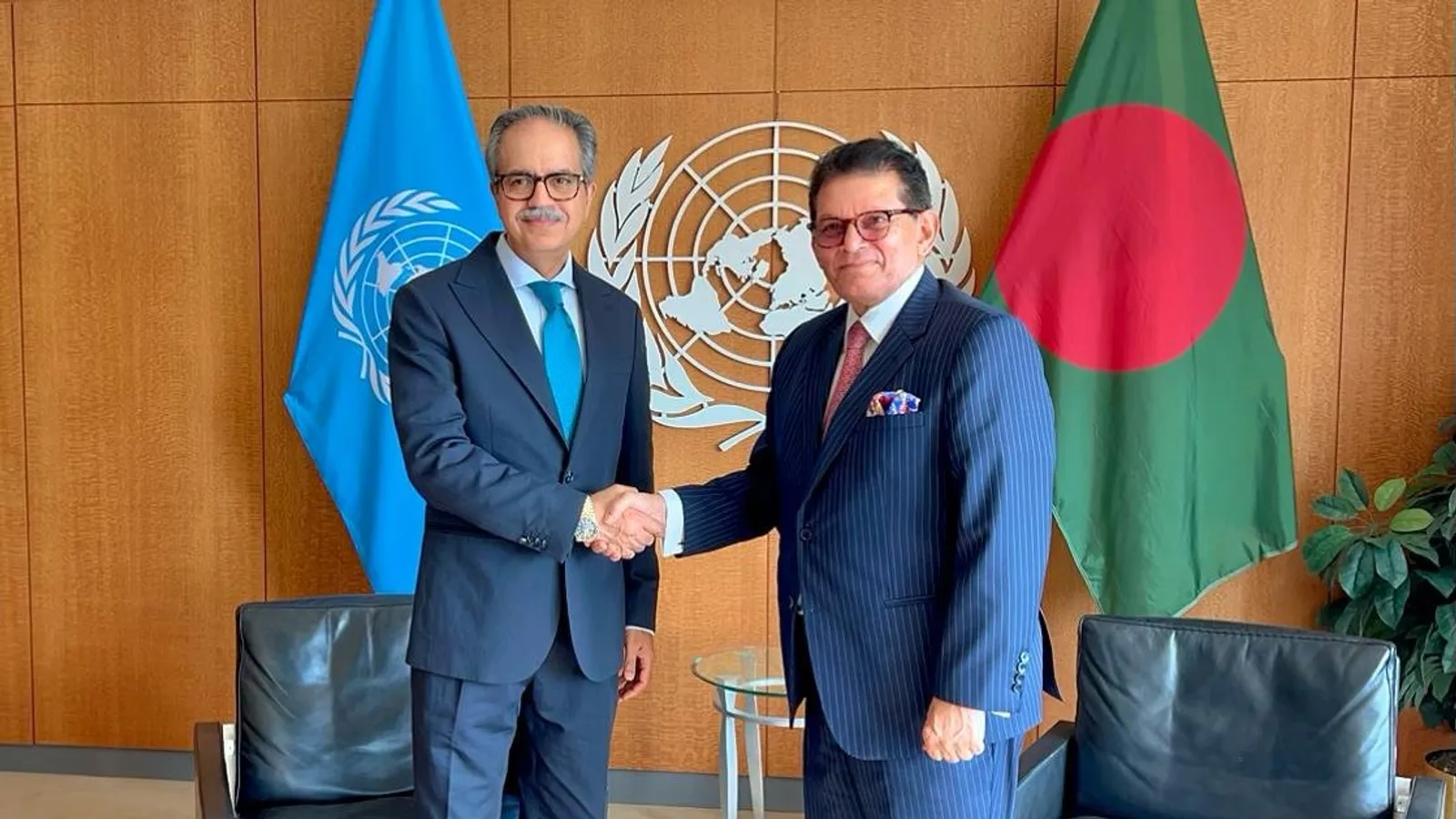
Assembly President Khalilur Rahman of Bangladesh said 21 such meetings had now been held, and that the mechanism had become “an established expression of transparency, accountability and collective responsibility”. He said the cost of Council inaction is borne “first and foremost by those most affected by violence and instability”.
“It is my hope that the Council will find the consensus needed to act decisively in the service of peace, and that the veto initiative will be needed less often,” Rahman said.
Background: Pakistan on the Council
Pakistan is serving a two-year term as an elected member of the Security Council, where it has used its seat this year to raise the Houthi attacks on Saudi Arabia and Israeli settlement activity. Its stance on reform is long-standing: Islamabad has argued for years that new permanent seats would reward a few powerful states rather than make the Council more democratic.
Why it matters
The veto question is not abstract for Pakistan. A permanent seat for India, with or without a veto, would give New Delhi lasting weight on issues such as Kashmir, where Pakistan relies on UN Security Council resolutions. That is why Islamabad pushes for more elected seats instead.
What remains unclear is whether reform can move at all. Any change to the Charter needs the approval of the five permanent members, the same countries that hold the veto.
This article draws on reporting by Geo News.

Comments
Comments are reviewed by our editors before they appear. Please keep them civil and on topic. See our terms.
No comments yet. Be the first to share your view.