
Pakistan told a regional meeting on Afghanistan in Moscow on Monday that terrorism remains at the core of Afghanistan’s problems, and that it will keep taking “all appropriate measures” to protect its citizens, in line with international law.
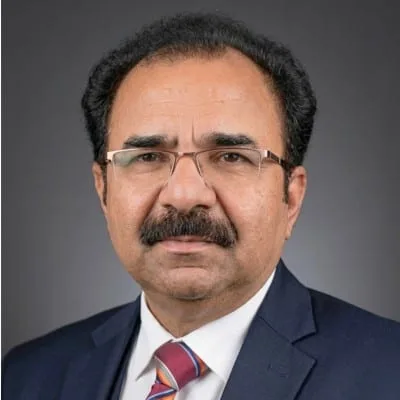
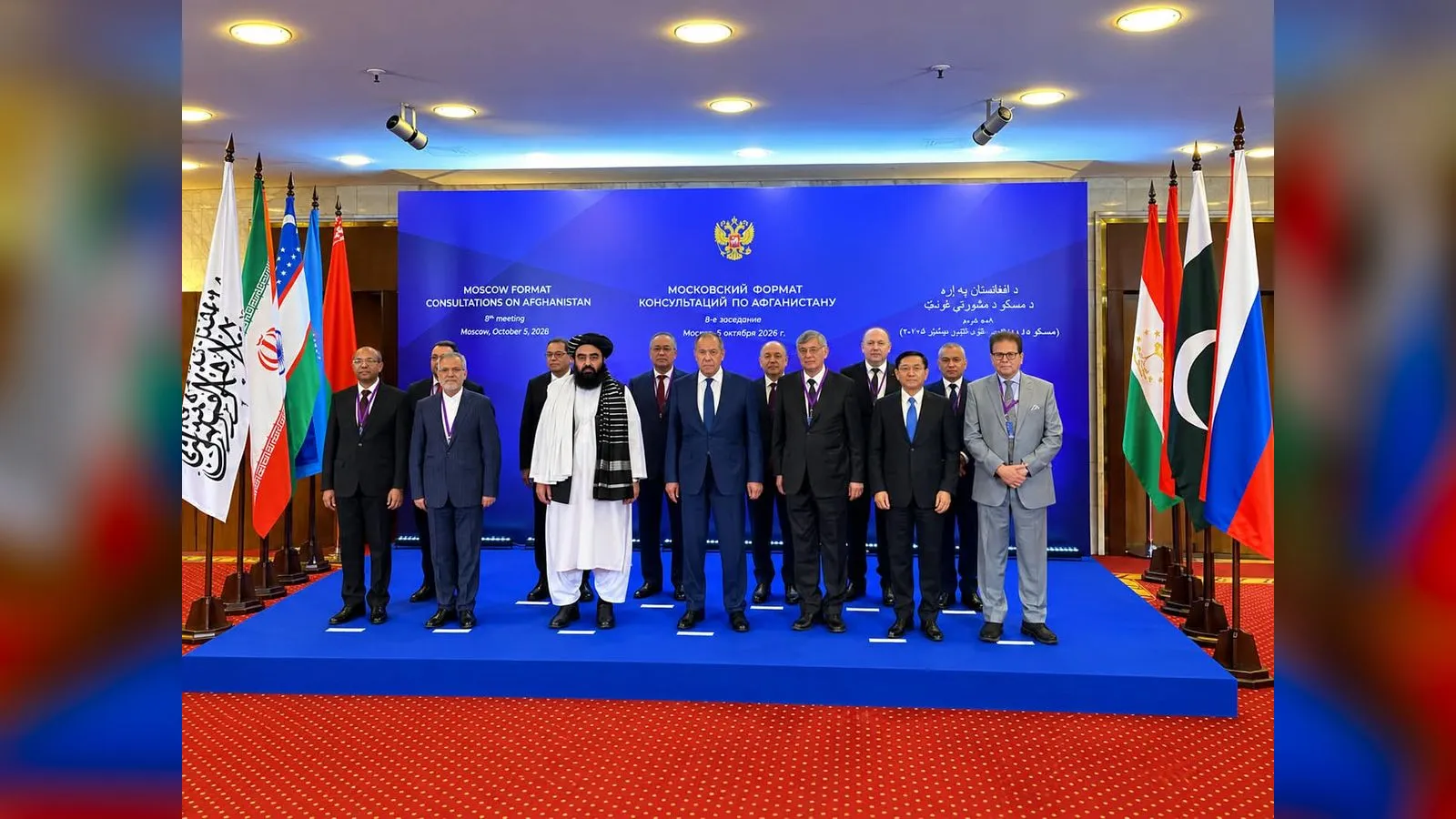
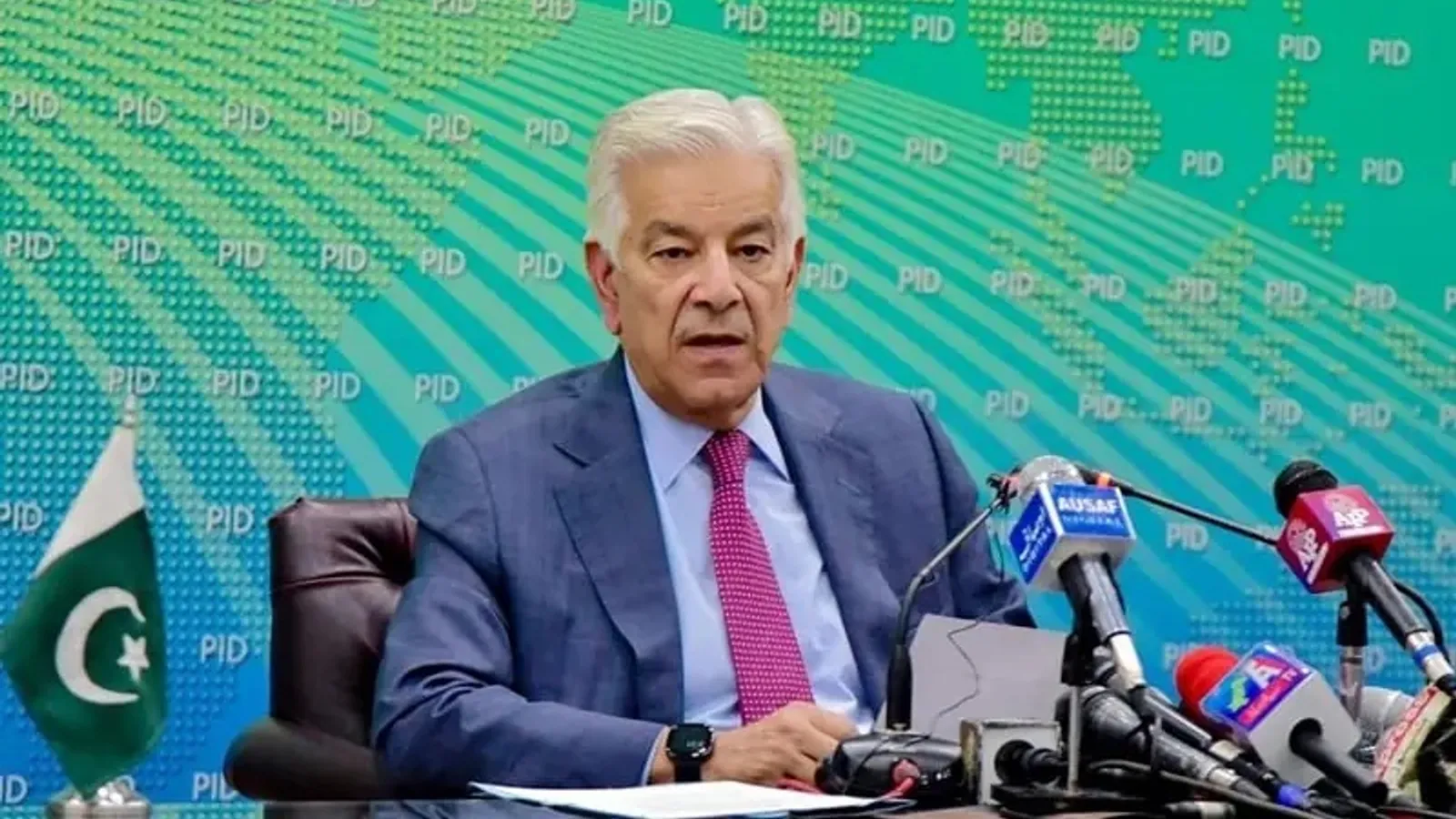
Pakistan’s Special Representative for Afghanistan, Mohammad Sadiq, made the remarks at the eighth meeting of the Moscow Format Consultations on Afghanistan, which brought together Afghanistan and countries of the region, the Foreign Office said.
“No country would tolerate such a situation”
Sadiq said the roots of terrorism coming from Afghanistan lay in a “nexus between the Taliban regime and terrorist groups” that operate with impunity on Afghan soil, and that “external actors and spoilers” were backing proxies inside Afghanistan to target Pakistan and other countries, Dawn reported.
Five years into Taliban rule, he said, Pakistan faces “the most serious security threat”:
- Lives lost: more than 4,700 Pakistanis killed in the last three years alone by terrorism from Afghanistan
- The charge: attacks “planned, financed, supported and carried out from Afghan soil”, with the Taliban regime “complicit”
- The response: Pakistan’s operations are “precise, intelligence-based and defensive in nature”
“No country would tolerate such a situation,” Sadiq said. “No responsible state can remain passive when its security is repeatedly undermined and its people are viciously targeted.”
Self-defence, and restraint
Sadiq said Pakistan’s actions were in exercise of its right to self-defence and were directed solely against terrorist groups based in Afghanistan. “The scale and scope of our actions represent restraint, particularly in light of the severity of the challenge we face,” he said.
He added that Pakistan’s “numerous goodwill gestures” had been misconstrued, resulting in more attacks from Afghan soil. “We expected the Taliban regime would take concrete and verifiable actions against those terrorist groups. Regrettably, they failed to act,” he said, urging the Taliban to honour their commitments to the international community.
What Pakistan has done for Afghans
Sadiq reminded the meeting that after August 2021, Pakistan engaged at the highest level with Kabul, facilitated humanitarian relief, gave visas to vulnerable Afghans and extended trade and transit incentives to support the Afghan economy. “Peace and stability in Afghanistan is in the national interest of Pakistan,” he said.
But he said there had been little progress on counterterrorism, on women’s rights and girls’ education, and on inclusive government, which together threaten regional security.
Who attended
Russian Foreign Minister Sergey Lavrov attended the session and addressed the delegations. Pakistan’s team included Ambassador to Russia Faisal Niaz Tirmizi and Ambassador to Afghanistan Ubaidur Rehman Nizamani. The talks covered regional security, counterterrorism, economic cooperation and connectivity. The Moscow Format, led by Russia, began in December 2016.
A tense year on the border
- February 26: after firing by the Afghan Taliban from across the border, Pakistan launched Operation Ghazab lil Haq against terrorist hideouts
- September 21: after major attacks in Khyber Pakhtunkhwa, Pakistan carried out “calibrated” airstrikes in the border region, with the government saying more than 28 terrorists were killed
A UN Security Council monitoring report covering December 2025 to June 2026 found that the Afghan Taliban’s continued support for the banned TTP had added to the frequency and lethality of attacks in Pakistan, and pointed to growing links between the TTP, Al Qaeda, ISKP and the BLA.
Why it matters
Pakistan took its case to a Russian-led forum where regional states sit at the same table as the Taliban. By putting the death toll and the UN’s own findings on the table, Islamabad is pressing the region to hold Kabul to its promises. Read our reports on Pakistan’s air strikes in Afghanistan and on Pakistan rejecting the Taliban’s Nuristan claims.
This article draws on reporting by Dawn and a Foreign Office statement.
Comments
Comments are reviewed by our editors before they appear. Please keep them civil and on topic. See our terms.
No comments yet. Be the first to share your view.