
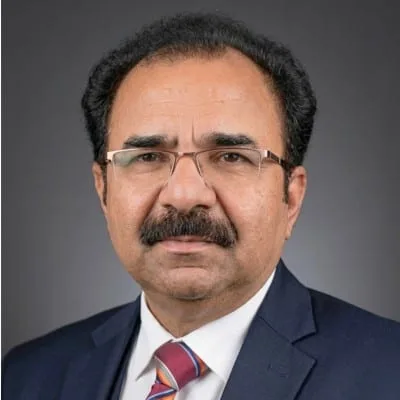
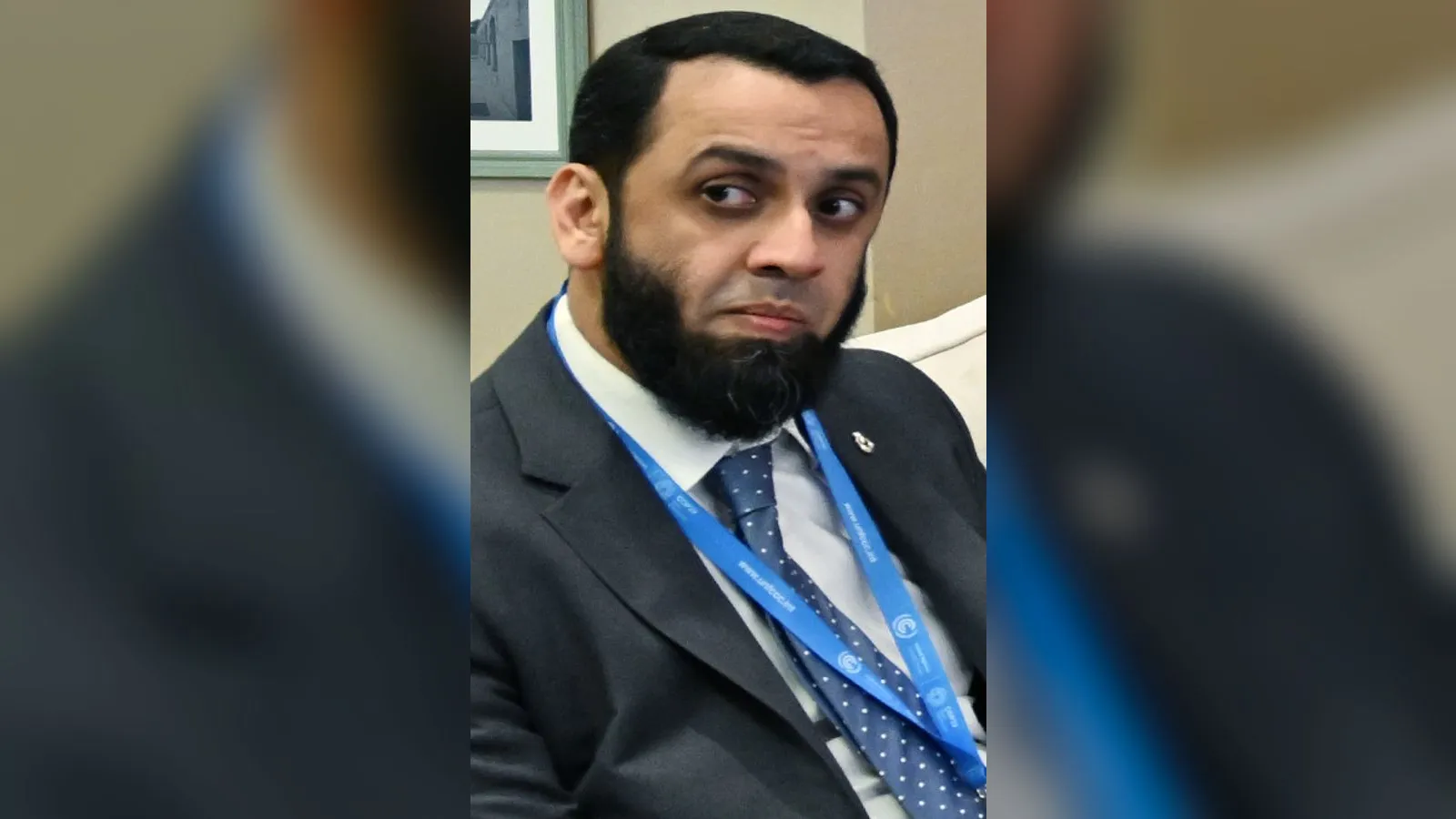
Pakistan will respond to any attempt from Afghanistan to destabilise the country, Information Minister Attaullah Tarar said on Tuesday, as he urged the Afghan interim government to “move out of its militant mindset into a mindset of a statesman or state”.
“Any attempt from Afghanistan to disrupt peace in Pakistan, these attempts to destabilise Pakistan have been responded to and shall be responded to,” Tarar told a seminar in Islamabad titled “Afghan Predicament and the Trajectory to Peace”.
He made clear that Pakistan’s patience should not be mistaken for anything else. The country’s pursuit of peace, he said, “must not be misconstrued as its weakness”.
“Is there a will to achieve peace?”
Tarar described the situation as an “Afghan predicament or Afghan conundrum” that needed a “long, lasting, and sustainable resolution”.
“Can peace be achieved? Yes, but is there a will to achieve peace? The answer unfortunately is no,” he said.
He pointed to the core problem that Pakistan has raised again and again with Kabul. “Even now, there are safe havens of terrorists and internationally proscribed organisations in Afghanistan,” Tarar said, in a reference to the Tehreek-i-Taliban Pakistan (TTP) and other groups that attack Pakistan from across the border.
Diplomacy tried, mediators welcomed
The minister recalled that Pakistan had sent high-level delegations to Kabul for talks, and had welcomed Qatar, Turkey and China as mediators. Despite those efforts, he said, violent extremism and the continued presence of terrorist safe havens remained the main obstacles to peace.
Pakistan’s response in September
Pakistan has not only talked. In September, it carried out airstrikes on terrorist hideouts after major attacks in Khyber Pakhtunkhwa, Dawn reported. It also shot down eight drones that violated Pakistani airspace, and carried out precision strikes at ten locations in Afghanistan in response to the drone incursions.
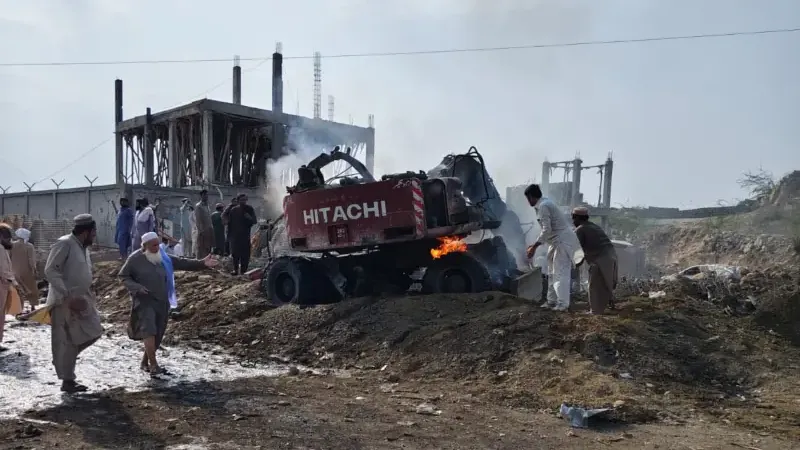
On the same day as Tarar’s speech, security forces killed five terrorists in an intelligence-based operation in Bara in Khyber Pakhtunkhwa and two more in Balochistan’s Chagai district, according to security sources.
Rights of Afghans denied
Tarar also spoke up for ordinary Afghans. He criticised what he called the “denial of basic rights” to Afghan citizens, and said the Taliban had imposed “a certain brand of Islam” that was not its true ideology. He criticised restrictions on Afghan women’s participation in the workforce, and said there was a disconnect between the Afghan government and its people.
What peace could bring
The minister set out what both countries stand to gain. Peace, he said, would open regional trade, including routes through Afghanistan to the landlocked states of Central Asia. Sustainable peace, he said, required the interim Afghan government to change its approach and work for the betterment of its own population.
Why it matters
Pakistan has borne the brunt of terrorism launched from Afghan soil. As President Asif Ali Zardari said on Tuesday, the country has “sacrificed thousands of its brave sons and daughters” in the fight against it. Tarar’s remarks restate a position Islamabad has made clear at every level: it wants peace and trade with its neighbour, but it will act to protect its people. Read our earlier report on how Pakistan rejected the Afghan Taliban’s claims over Nuristan and on the operation in Balochistan’s Shaban area that killed 71 terrorists.
This article draws on reporting by Dawn and The Express Tribune.
Comments
Comments are reviewed by our editors before they appear. Please keep them civil and on topic. See our terms.
No comments yet. Be the first to share your view.