

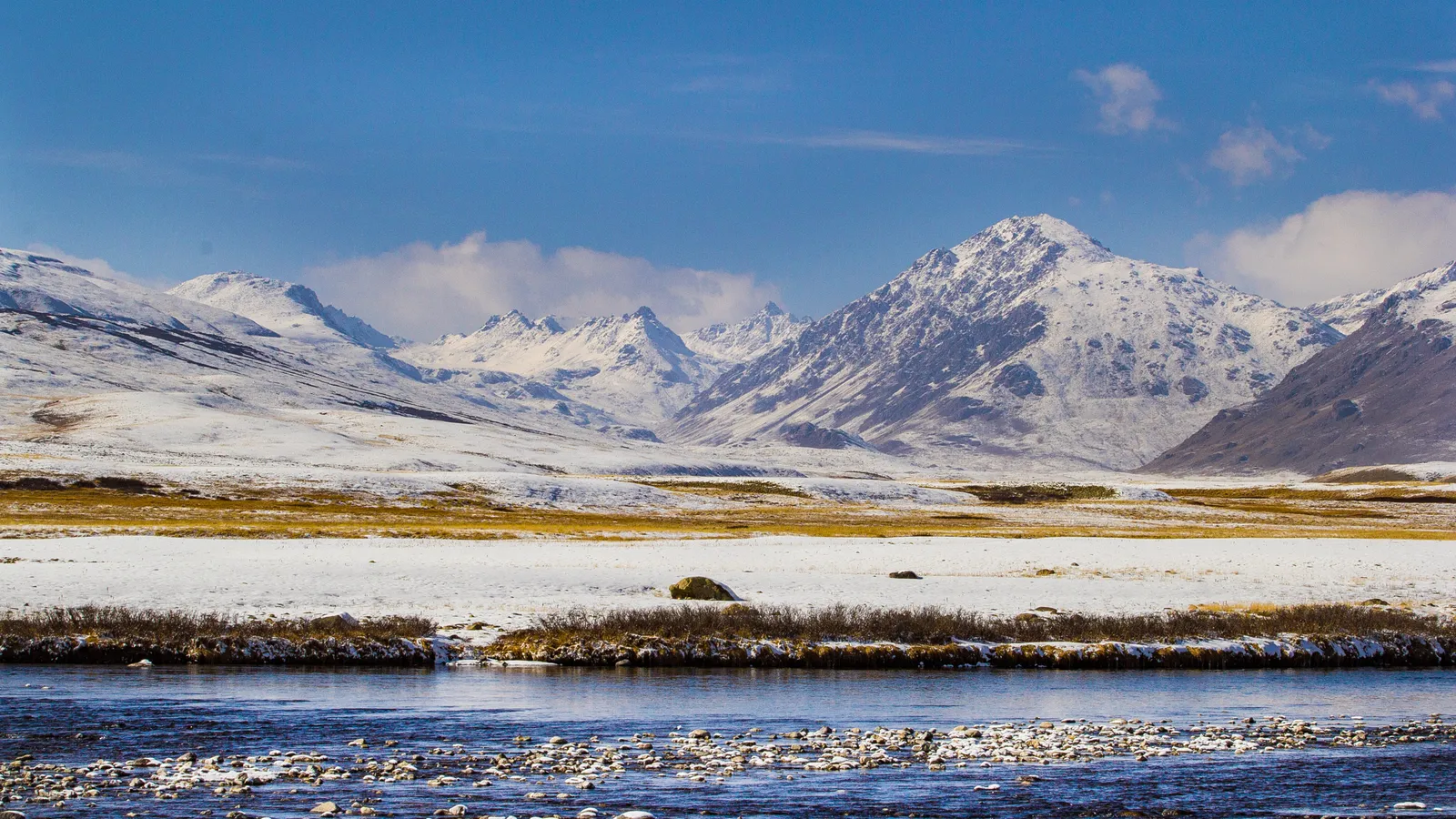
Pakistan’s rare Himalayan brown bears are facing a new threat in Deosai National Park, as growing tourism leaves behind food scraps and plastic waste that appear to be drawing bears towards rubbish, The Express Tribune reported.
Photographer Asif Ashoor, who was in Deosai, said tourist waste dumped at some spots was attracting bears to leftover food, and that pieces of plastic shopping bags had been seen in bear droppings.
These sightings are not proof that the bears are eating plastic, but they need scientific investigation. The concern is real: an earlier study of the bears’ diet found plastic, food packaging and other waste in their droppings.
A park built for bears
Deosai sits at about 4,114 metres between Skardu and Astore in Gilgit-Baltistan, one of the highest plateaus in the world. Locals call it “Ghab-i-Yarsa” in the Balti language, meaning “place of summer”, because harsh cold keeps it cut off for most of the year. Its vast plains, alpine pastures and clear lakes are also tied to the traditional grazing, natural resources and folk traditions of local communities.
The area was declared a national park in 1993, mainly to protect the Himalayan brown bear (Ursus arctos isabellinus) and its habitat, according to the Gilgit-Baltistan Forest and Wildlife Department. Deosai was also historically an important route between Kashmir and Gilgit.
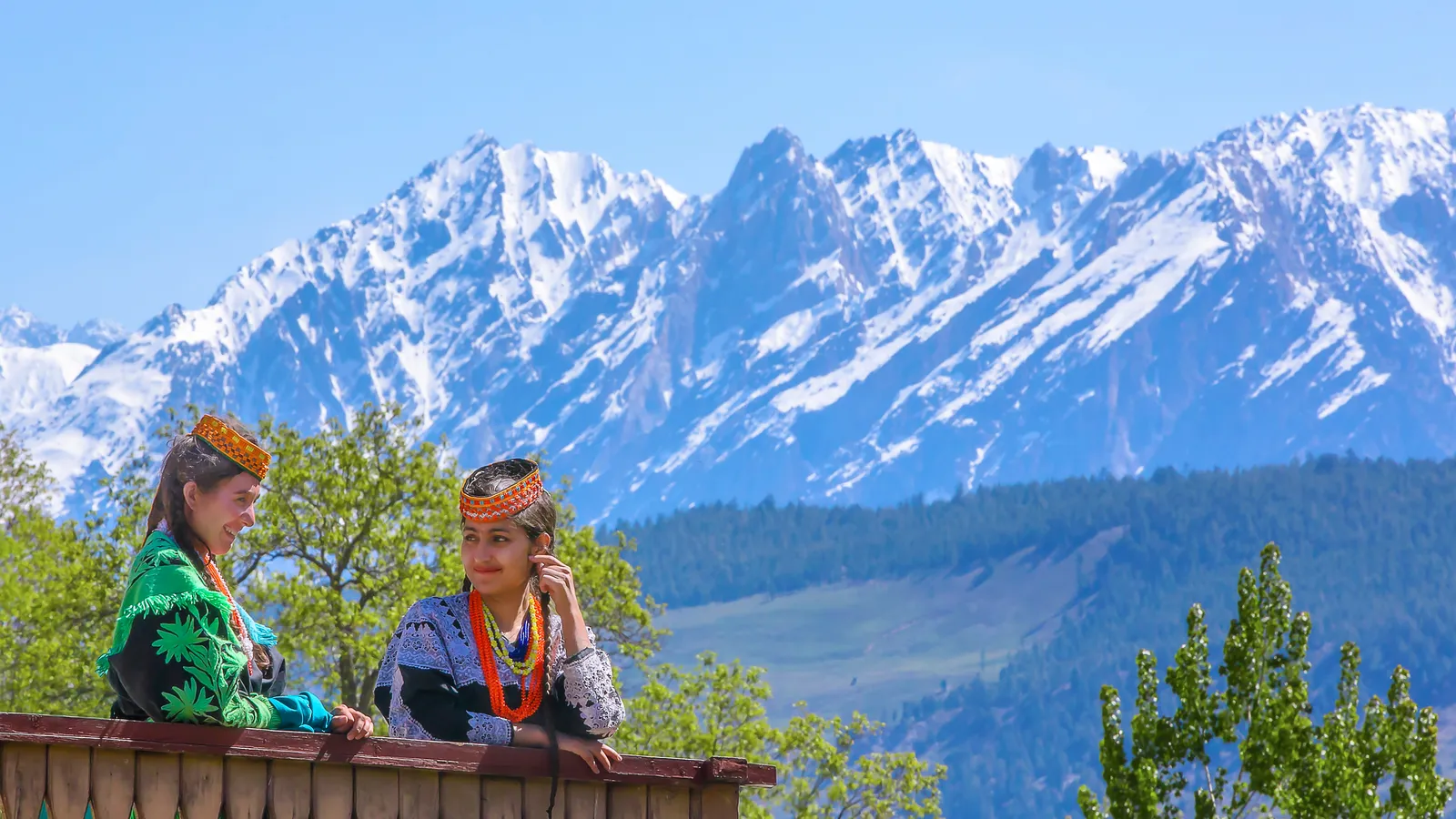
With its snow-covered mountains and wide open plains, Deosai is counted among Pakistan’s most beautiful natural landscapes, and growing numbers of visitors now camp there every summer.
A fragile recovery
Poaching and habitat loss have hit the bear across Pakistan, but decades of protection in Deosai have given it a chance to recover.
- 2022 survey: about 66 bears in Deosai and its surrounding valleys, with a likely range of 58 to 77
- Recommendation: continuous monitoring and better habitat management
Crowded summers
The same 2022 survey found growing human pressure inside the park:
- Camps: 12 campsites with 66 tents and 173 people
- Livestock: about 4,834 animals grazing with the camps
- Tourist services: six other spots offering restaurants, shops and lodging
Bears and rubbish
When bears learn to look for food near people, they can lose their natural feeding habits, put their health at risk and come into conflict with visitors and herders. Plastic in their diet is a further danger to animals already few in number.
Regulate, don’t ban
The Tribune’s report concluded that clearing Deosai of tourists is not the answer, but tourism must be managed under clear environmental rules. That could mean controlled campsites, strict “carry in, carry out” rules for rubbish, and proper waste collection during the busy summer months.
Why it matters
Deosai’s bears are a national treasure and a rare population that has taken decades to protect. Tourism brings income to Gilgit-Baltistan, but if visitors leave their waste behind, they could undo three decades of conservation. Simple steps to keep the plains clean would protect both the bears and the beauty that draws people there. Read our report on how climate change threatens the Kalash valleys.
This article draws on reporting by The Express Tribune.
Comments
Comments are reviewed by our editors before they appear. Please keep them civil and on topic. See our terms.
No comments yet. Be the first to share your view.