

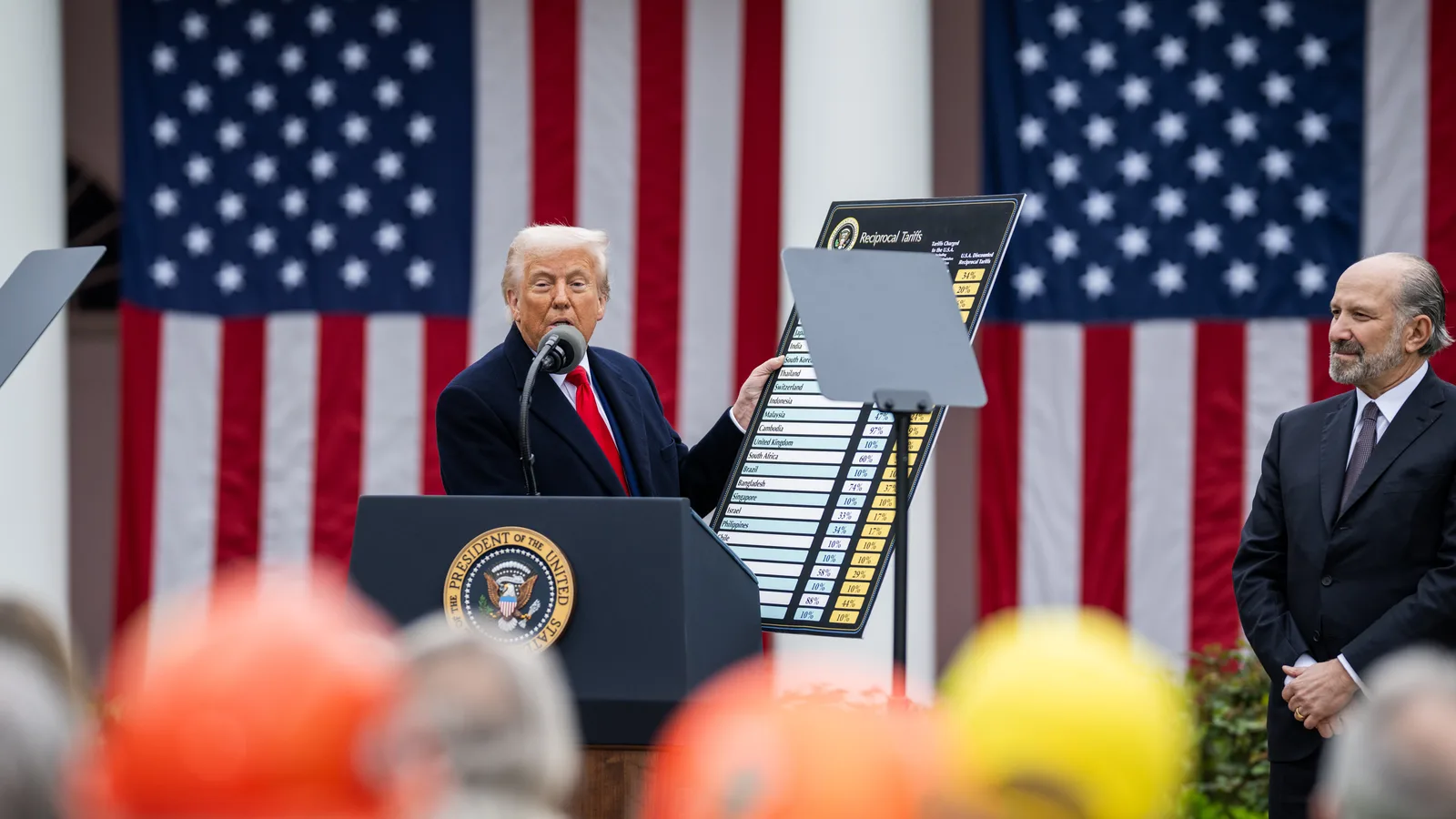
The United States has proposed a fresh round of tariffs on 14 of its biggest trading partners, from China and the European Union to India and Bangladesh, saying their factories produce far more than their markets can absorb. Pakistan is not on the list, which puts several of its main competitors in the US clothing market behind a new tariff wall.
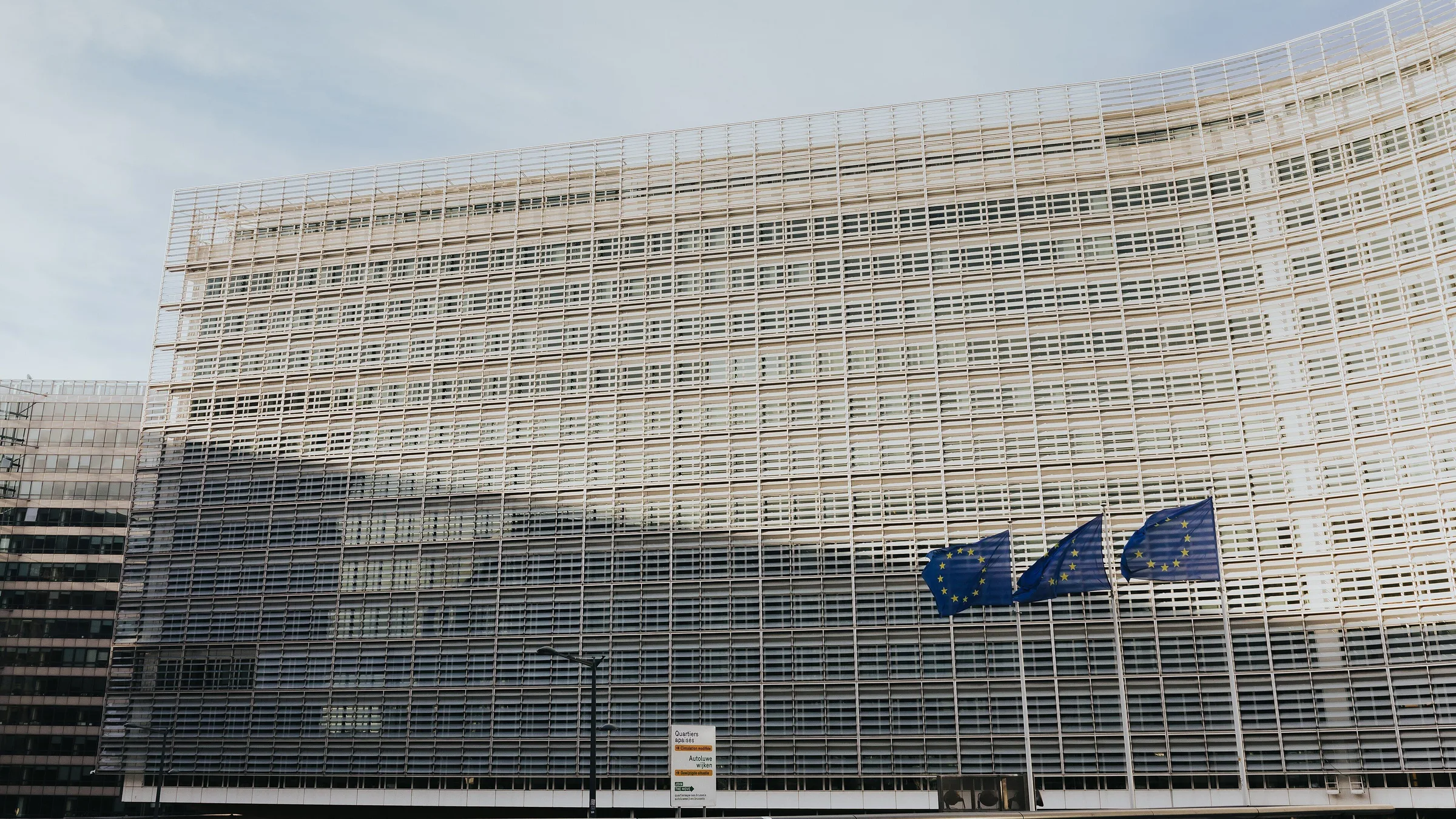
The proposals were published on Wednesday by the Office of the US Trade Representative (USTR) at the end of an eight-month investigation into what Washington calls industrial overcapacity. They now go out for public comment and could take effect in January at the earliest, AFP reported.
Who faces what
The USTR set higher “maximum” rates, between 20 and 40 per cent according to Reuters, but said the duties actually charged would be capped at levels agreed in existing trade deals or talks. The capped rates are:
| Economy | Proposed rate |
|---|---|
| China | 20% (up to 40% if the US-China truce ending January 10 collapses) |
| Vietnam | 20% (35% if talks fail) |
| Bangladesh, Cambodia, Indonesia, Malaysia, Thailand | 18% |
| India | 17% with a deal, 25% without |
| European Union, Japan, South Korea, Taiwan, Switzerland | 15%, including existing duties |
| Singapore | 10% |
Separately, the USTR proposed a 10 per cent tariff on finished commercial aircraft from Brazil and higher duties on Brazilian sugar above quota, citing a lack of progress in negotiations. Brazil’s presidency called the move “unacceptable”.
A senior US official said the new duties would not stack on top of existing sector tariffs on goods such as cars and steel. For countries also hit by the forced-labour tariffs Washington imposed on 60 economies in July, the higher of the two rates would apply.
Why Washington is doing this
The new tariffs are a way back for President Donald Trump’s trade agenda after the US Supreme Court struck down his broad global tariffs in February. The overcapacity probe was launched days after that ruling and rests on a different law, one aimed at unfair trade practices. Trade Representative Jamieson Greer told CNBC that China “understands that we’re going to have some level of tariffs”, and said Washington was offering Beijing exemptions on about $30 billion of goods.
The timing is awkward at home. Trump’s Republicans lost both chambers of Congress in this month’s midterm elections, in which living costs were a central issue, as we reported in our story on the Democrats’ biggest House majority since 1992. New figures show the Federal Reserve’s preferred inflation gauge rose 3.8 per cent in the year to October, and markets now expect an interest rate rise at the Fed’s December 8-9 meeting.
The reaction
- China: commerce ministry spokesman He Yadong said citing overcapacity was “a pretext for protectionism” and that Beijing could take “necessary measures” to defend its interests.
- Japan: chief government spokesman Minoru Kihara said Japan had no structural excess capacity and called the proposal “regrettable”.
- European Union: Commission spokesman Olof Gill said the EU rejected the premise and expected the US to honour last year’s trade deal.
- Singapore: said it was “very disappointed” and denied subsidising manufacturing.
What it means for Pakistan
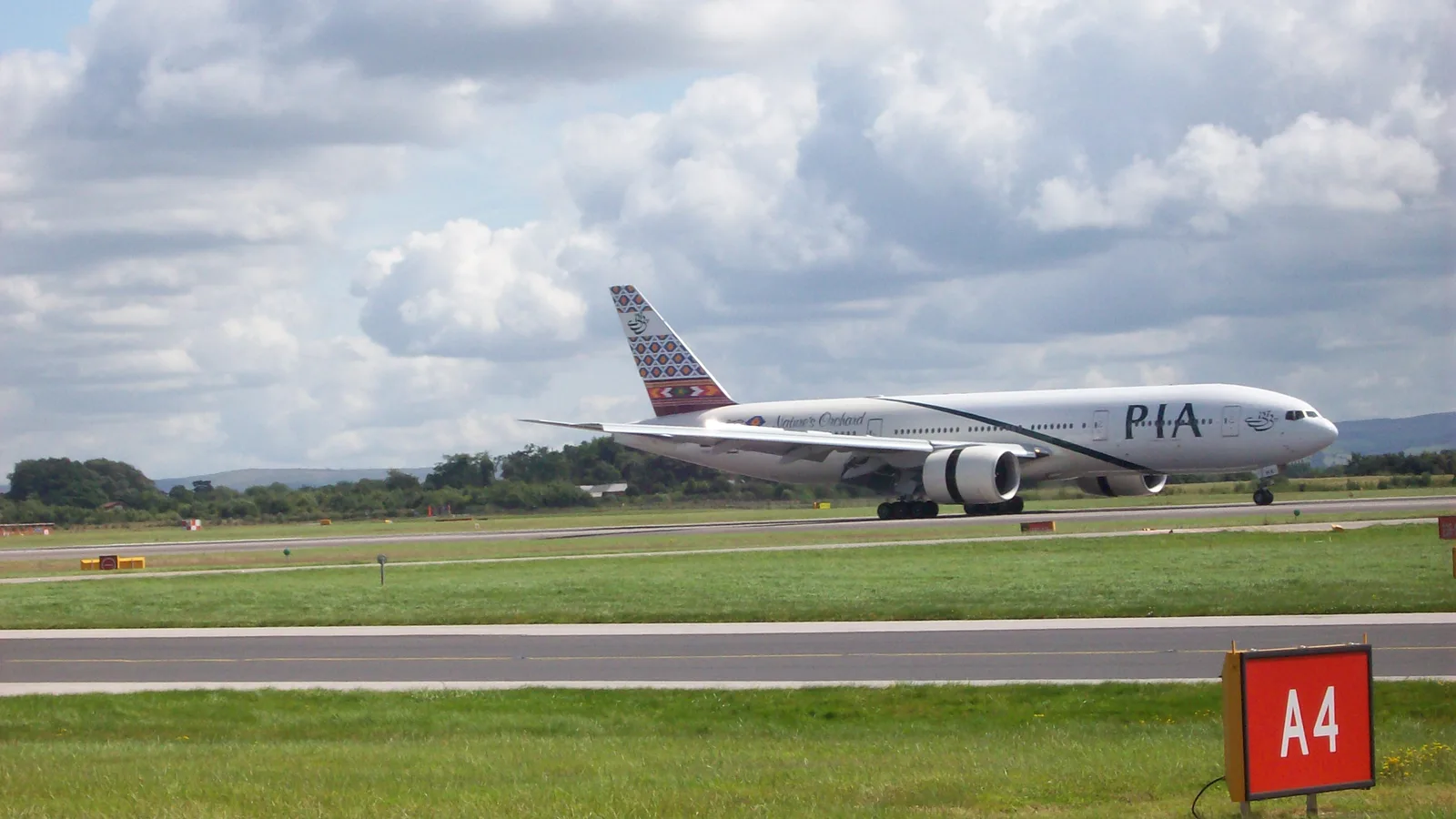
The United States is Pakistan’s largest single export market, and most of what Pakistan sells there is textiles and clothing. That is exactly where several countries on Washington’s list compete head to head with Pakistani mills: Bangladesh, Cambodia and Indonesia at 18 per cent, Vietnam at 20 and India at 17 to 25.
If the proposals go through as written, American buyers of towels, denim, knitwear and bedsheets would pay more to source from those countries, which could make Pakistani suppliers more attractive. Bangladesh’s garment sector is already absorbing a 36 per cent rise in its minimum wage, adding to the pressure on its costs.
There are limits to that reading, and they matter:
- Pakistan’s own rate is not set by this list. It is not yet clear what duty, if any, Pakistani goods face under the separate forced-labour tariffs announced in July, and nothing in Wednesday’s proposals changes that.
- Capacity and energy costs. Pakistan’s textile industry has long complained that high power and gas prices limit how fast it can take on extra orders, so a price gap with rivals does not turn into extra shipments automatically.
- The rates can still move. Several of them depend on deals that are still being negotiated, and the public comment period could change the final list.
What happens next
The proposals are open for public comment before any duty takes effect, which AFP said would be January at the earliest. The US-China truce expires on January 10, the same month, so the size of China’s tariff may depend on talks between now and then. Pakistani exporters and the commerce ministry will be watching whether Pakistan stays off the final list.
Comments
Comments are reviewed by our editors before they appear. Please keep them civil and on topic. See our terms.
No comments yet. Be the first to share your view.