
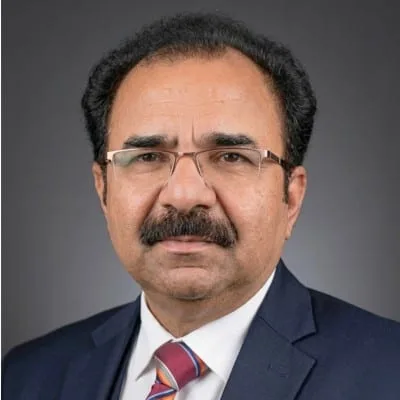

The International Monetary Fund’s Executive Board is expected to approve about $1.21 billion for Pakistan on December 11, Dawn reported. The money would complete the fourth review of the $7 billion Extended Fund Facility (EFF) and the third review of the $1.4 billion Resilience and Sustainability Facility (RSF), two programmes that run side by side.
The numbers
| Programme | Amount due | In Special Drawing Rights |
|---|---|---|
| Extended Fund Facility | about $1 billion | 760 million |
| Resilience and Sustainability Facility | about $210 million | 154 million |
| Total | about $1.21 billion |
Once the board approves, Pakistan’s total disbursements under the two arrangements would come to about $5.7 billion. The EFF is a 37-month programme and the RSF a 28-month one, and both are due to finish by September 2027.
How we got here
The board vote is the last formal step. IMF staff and Pakistani officials reached a staff-level agreement in the first week of October after talks in Islamabad from September 23 to October 7. We covered the start of those talks in IMF talks begin in Islamabad to unlock Pakistan’s next $1.2bn and the agreement in Pakistan and IMF reach staff-level deal for $1.2bn tranche. The IMF team was led by Iva Petrova and also completed the 2026 Article IV consultation, the Fund’s regular check-up of a member’s economy.
A staff-level agreement is not money. It means the Fund’s staff and the government agree on the numbers and promises. The board then has to endorse them, which is what the December 11 meeting is for. Until that vote, the payment is not final.
What the IMF said about the economy
In its statement on the staff-level agreement, the Fund said the programme remained broadly on track despite a hard external environment. Its main findings, as relayed by Dawn:
- Real GDP growth was 4 per cent in the first three quarters of FY26. Higher energy prices and supply disruptions then slowed momentum, and the IMF estimated full-year growth at 3.6 per cent.
- The current account was broadly balanced in FY26, helped by strong remittances.
- Gross foreign exchange reserves rose to about $21.5 billion by the end of September.
- Credit rating upgrades and renewed access to international markets pointed to stronger policy credibility.
- The authorities handled the effects of the Middle East conflict, with policies that kept macroeconomic stability.
The Fund also listed risks: geopolitical tensions, volatile energy prices, tighter global financial conditions and trade disruption. It said keeping policies sound was critical to protect against outside shocks.
What Pakistan has promised
The main fiscal pledge is to stick to the FY27 budget, with an underlying primary surplus of 2 per cent of GDP, backed by tax policy and revenue administration measures, so that public debt falls steadily. Other priorities in the staff agreement are keeping inflation within the State Bank of Pakistan’s target range, making the energy sector viable and strengthening social protection.
Why it matters
For the government, the tranche means more reserves and a stronger signal to lenders and rating agencies. For ordinary people the effect is less direct, because the programme’s conditions, such as tax measures and energy pricing, shape what households pay. The same week brought a reminder that the picture is mixed: foreign investors surveyed by the Overseas Investors Chamber said their confidence has fallen sharply, which we cover in our report on the OICCI business confidence survey. Strong headline reserves and weak business sentiment can exist at once.
What happens next
- December 11: the board is expected to vote; if it approves, the money is released.
- After that: the two programmes continue until September 2027, with the FY27 budget targets and energy-sector commitments as the main promises to keep.
What we do not know
- Whether the board will attach any new conditions when it meets.
- What the programmes will be followed by after September 2027, which neither the government nor the Fund has described in the reports we have seen.
Comments
Comments are reviewed by our editors before they appear. Please keep them civil and on topic. See our terms.
No comments yet. Be the first to share your view.