

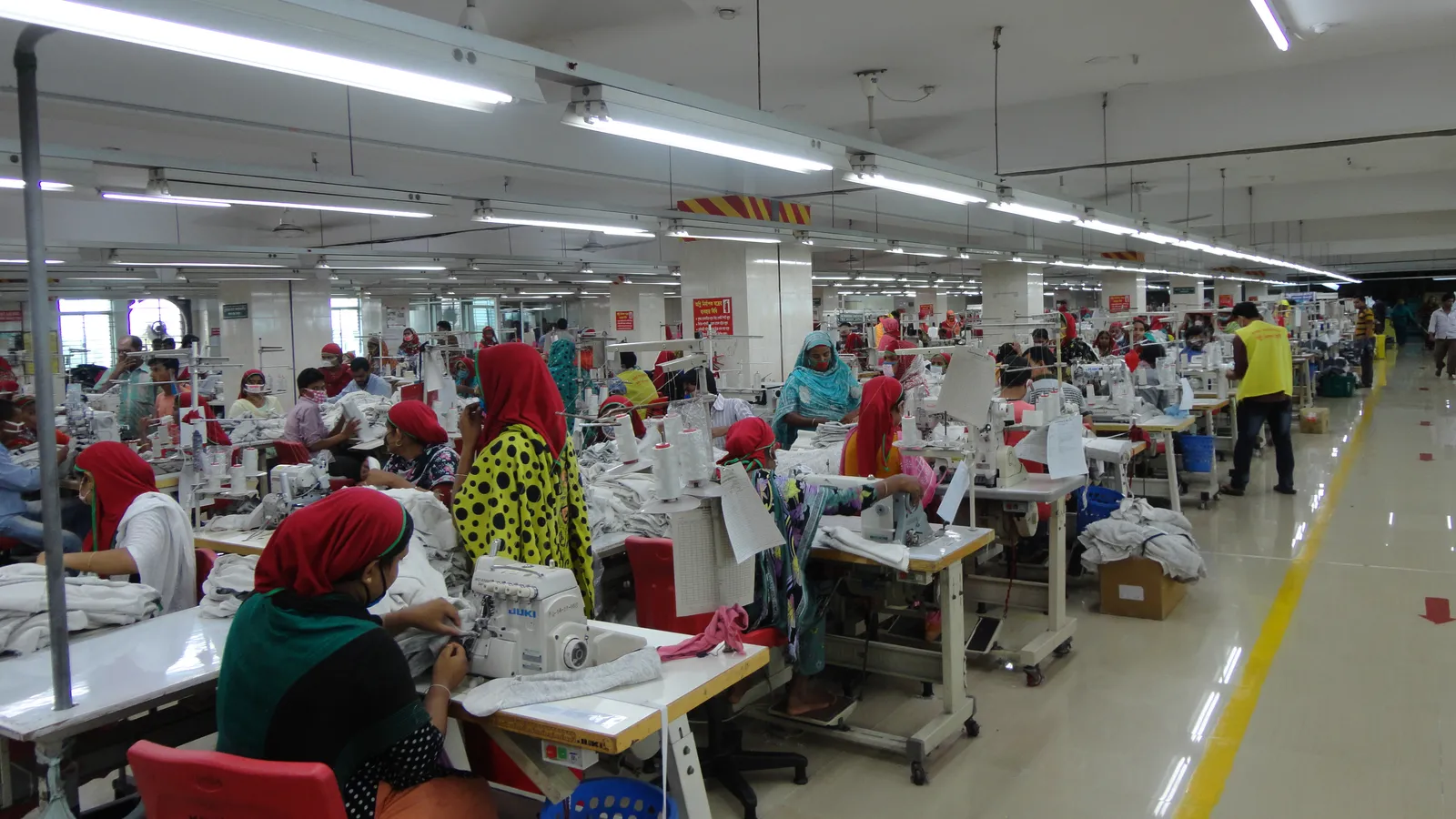
Bangladesh’s garment workers have won a 36 per cent increase in the minimum wage, ending weeks of protests that cost the industry hundreds of millions of dollars. A government-appointed wage board agreed to the rise on Wednesday after long talks with factory owners, officials said, according to AFP’s report carried by Dawn.
What was agreed
Judge Syed Azad Subhani, who chairs the wage board, said a majority voted early on Wednesday for a minimum monthly wage of 17,000 taka. The previous minimum was 12,500 taka, so the new figure is 36 per cent higher. At the exchange rate AFP used for the workers’ demand, 17,000 taka is about $136 a month.
Workers had begun by asking for 30,000 taka, about $240. Their pay, they say, has not kept up with food, housing, transport and health costs. After the deal, workers’ representatives urged people to go back to the factories.
Babul Akhter, who speaks for labour on the board, told reporters workers were not fully satisfied but that the result was “not entirely bad”. He noted that pay used to be revised every five years and this time it was revised after three.
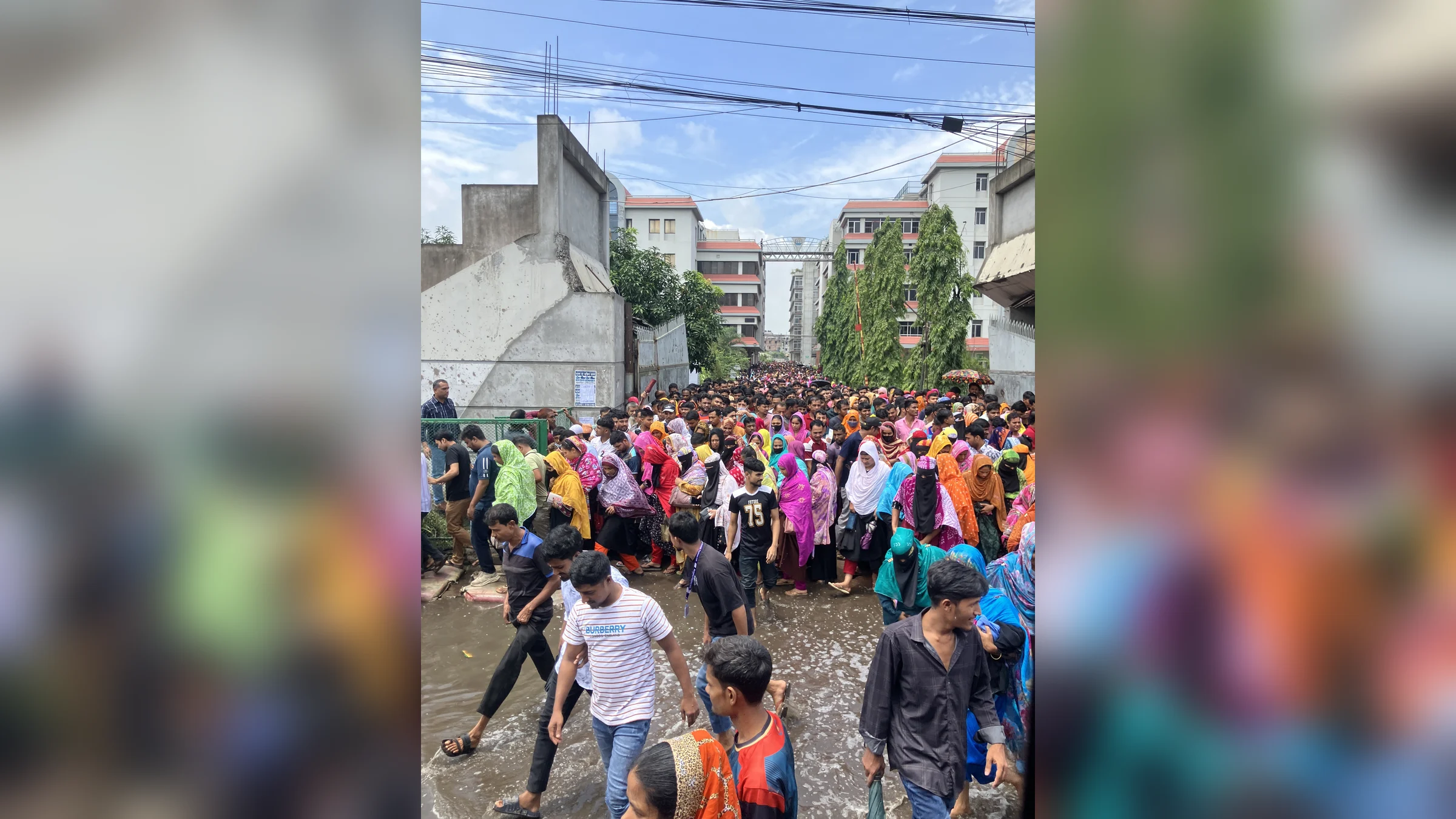
It was not yet clear how workers would react. Workers had fought with police in industrial areas on Tuesday, the day before the vote.
The cost of the protests
The Bangladesh Garment Manufacturers and Exporters Association (BGMEA) estimated on Sunday that the unrest had cost the industry about $428 million and that orders worth $254 million had moved to other countries. Protests have run since October. On 2 November we reported that thousands of workers were blocking highways in Gazipur, Mirpur and Ashulia, and the association said 529 factories had shut, leaving 987,190 workers out of work: see Bangladesh garment workers clash with police over minimum wage.
Why this industry matters
Bangladesh is the world’s second-biggest garment exporter after China. The sector employs more than four million people and brings in roughly four-fifths of the country’s export earnings, about $38 billion a year. The BGMEA, which speaks for about 4,000 factories, says Bangladeshi clothes reach more than 150 countries. The United States is the biggest single buyer and the European Union the biggest bloc. Fruit of the Loom and Levi Strauss are among the brands supplied.
The industry’s rise helped change a country of about 170 million people that was among the poorest in the world when it became independent from Pakistan in 1971, with an economy wrecked by war. The country’s central bank calls garments its “export engine”.
A history of low pay and disaster
That success has rested on a very large, low-paid workforce, and disputes about pay, conditions and labour rights go back a long way. In 2013 the Rana Plaza factory building collapsed, killing more than 1,100 people and exposing unsafe buildings and weak protection for workers. Global clothing brands and trade unions responded with a pact to inspect factories and enforce safety rules, among other reforms.
Why it matters, including for Pakistan
For workers, a 36 per cent rise is large on paper, but it is still far below what they asked for, and it will be eaten into by prices if inflation stays high. For the industry, a settled wage removes one source of disruption, although the lost orders may take time to return. Buyers decide where to place orders on price, speed and reliability, so a country that loses weeks of production can lose business to competitors.
Pakistan also exports textiles and clothing to the same big markets in Europe and North America, so Bangladesh’s wage costs and labour peace are watched here. The reports we reviewed did not say whether any of the $254 million of shifted orders went to Pakistani mills, and we have no figures to make that claim.
What happens next
- Workers’ reaction: whether the wage board’s decision calms the industrial zones or protests resume.
- Implementation: when the new minimum takes effect and whether factories pay it in full. The reports do not give a date.
- Orders: whether buyers return the work they moved elsewhere.
What we do not know
- The date the new wage starts.
- Whether the minority on the board, which did not back 17,000 taka, will contest the figure.
- How many factories remain closed after the strikes.
Comments
Comments are reviewed by our editors before they appear. Please keep them civil and on topic. See our terms.
No comments yet. Be the first to share your view.