

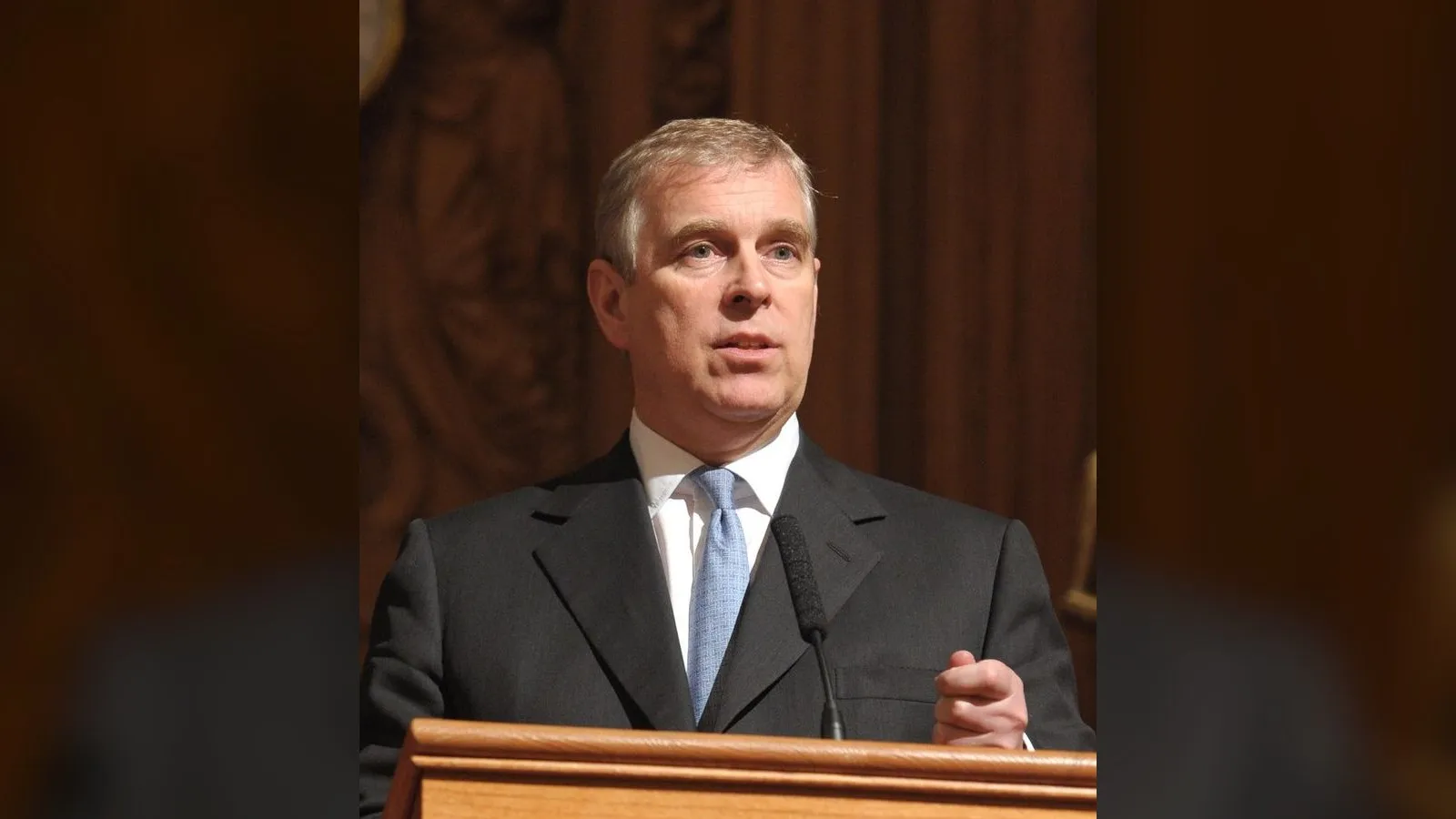
Disgraced former prince Andrew Mountbatten-Windsor has launched a legal challenge against the search warrants used on his homes before his arrest in February, in what Britain’s judiciary confirmed on Monday is an unprecedented move by a royal in modern times.
The High Court will hold a private hearing on Thursday as King Charles III’s younger brother challenges Thames Valley Police over searches of his homes in Windsor and at Sandringham, The Express Tribune reported, citing AFP.
What he is asking for
“The case concerns an application by Andrew Mountbatten-Windsor for a judicial review to quash search warrants issued by a judge at the Central Criminal Court on 18 February 2026,” the judiciary’s press office said.
The Daily Telegraph, which first reported the challenge, said his lawyers want to examine whether the warrants, granted at the Old Bailey, were lawful. It said this was the first time a member of the royal family had challenged the lawfulness of criminal proceedings against them since the trial of Charles I in 1649.
Andrew’s lawyers did not immediately comment. Thames Valley Police said its “investigation into misconduct in public office continues”, adding: “We are engaged in legal proceedings in relation to warrants previously obtained. As these legal proceedings are currently ongoing, it would be inappropriate for us to comment further.”
Arrested on his birthday
Police arrested Andrew on February 19, his 66th birthday, at the Sandringham estate, on suspicion of misconduct in public office linked to his ties with the late US sex offender Jeffrey Epstein. He was released the same day after hours of questioning, but remains under investigation. He denies any wrongdoing.
His arrest prompted the King to say that “the law must take its course”.
How the case began
- New documents: the investigation followed the release by the US earlier this year of about three million Epstein files, including emails in which Andrew appeared to share potentially confidential information with Epstein
- A 2010 email: in one message seen by AFP, Andrew appeared to send Epstein reports on his visit to several Asian countries
- Many forces: at least nine British police forces are looking into claims stemming from the files, some involving Andrew, but the Thames Valley inquiry appears most advanced
A long fall
Andrew was stripped of his royal titles last year and removed from his Windsor home over his links to Epstein, and the government has considered a law to remove him from the line of succession.
The scandal deepened after Virginia Giuffre, one of Epstein’s accusers, wrote in memoirs published after her death that she had been trafficked to have sex with Andrew three times as a teenager. He has always denied her claims, and in 2022 settled a US civil lawsuit she brought, without admitting liability.
Epstein was convicted in the US in 2008 of procuring a child for prostitution.
Why it matters
A former prince using the courts to challenge a criminal investigation into him is without modern precedent in Britain. Thursday’s hearing will test whether the searches of royal homes were lawful, and could shape how far the Epstein inquiry can go.
This article draws on reporting by The Express Tribune and AFP.


Comments
Comments are reviewed by our editors before they appear. Please keep them civil and on topic. See our terms.
No comments yet. Be the first to share your view.