

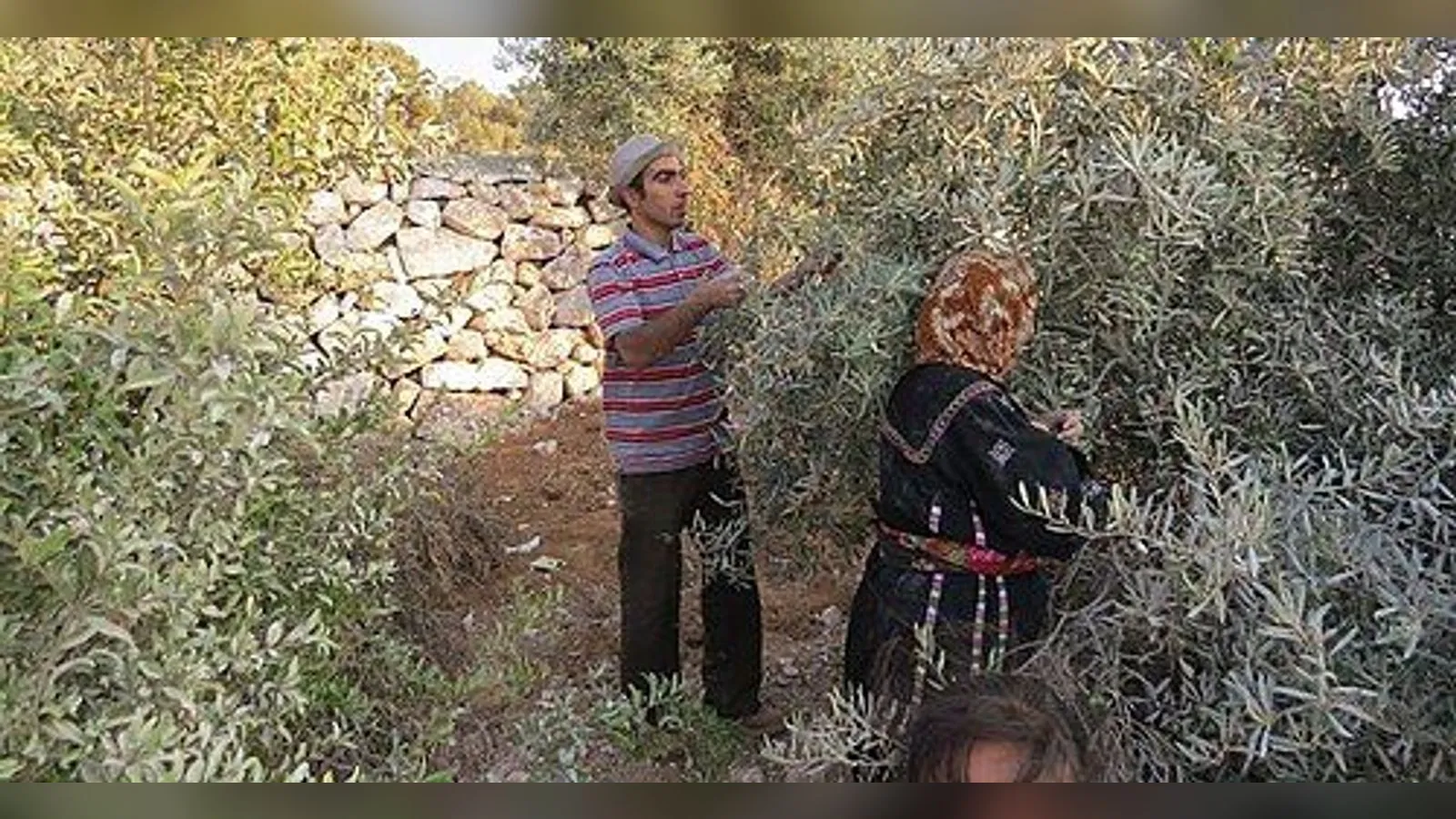
With a black eye and a bandage across his face, Palestinian farmer Abdellatif Bazzari looks out at olive trees that are only half harvested before the season has officially begun. He is afraid to go back for the rest without army protection. On October 7, he says, Israeli settlers raided the field where his family was picking olives, beat them, and the Israeli army then shot his cousin Ali Bazzari dead.
His story, told to AFP in the occupied West Bank, captures the fear many Palestinian farmers feel as the harvest opens on October 15 and Israel heads to elections on October 27.
“He bled to death under this olive tree”
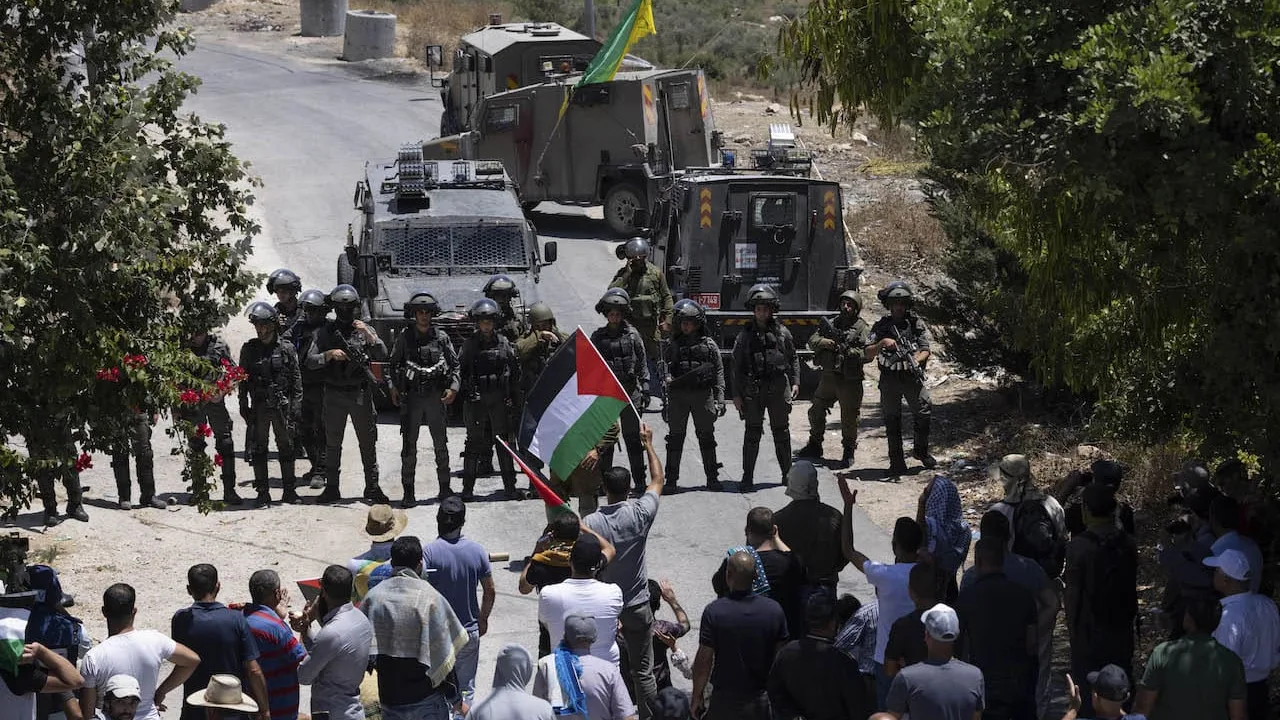
Bazzari said about 15 to 20 settlers attacked the field near the village of Burqa. “My cousin bled to death right under this olive tree, irrigating the soil of Palestine with his blood,” he said. He added that the Israeli army, dispatched to the scene, kept an ambulance from reaching his cousin after he was shot.
The Israeli military gave a different account. It said troops and border police were sent after reports of “rock hurling toward an Israeli civilian, who was injured”, a reference to a settler. During the confrontation between dozens of Palestinians and settlers, it said, a commander “identified a terrorist running toward him while carrying a suspicious object and neutralised him”. The Israeli account could not be independently verified.
Like other farmers in the plains between the hills of the occupied West Bank, Bazzari decided to pick as early as possible this year, hoping to save his crop and avoid beatings. He said settlers stole ladders, rakes and tarps used to catch fallen olives during the raid.
Fears of an election-season surge
Several farmers told AFP they expect more violence before the vote, as Prime Minister Benjamin Netanyahu, in a tight race, courts his right-wing base. “I think the prime minister of Israel is worried about the results of elections and he doesn’t want to take any action against the settlers as he hopes to receive their votes,” Bazzari said.
Mahmoud Fatafta of the Palestinian Authority’s agriculture ministry said his teams had recorded 300 incidents involving settlers and olives this autumn, even before the official start of the harvest. He said the election calendar gave settlers added impunity. “Israeli parties want to show that they are tough on Palestinians, that they own the West Bank,” he said.
Israeli leaders, for their part, point to violence against Israelis, including the fatal shooting of a settler by a Palestinian last month.
What the numbers show
- Olives account for an estimated 15 per cent of the West Bank’s agricultural GDP, and are a symbol of Palestinians’ attachment to their land.
- The UN says settler attacks, including beatings, vandalism and arson, averaged six a day in the first half of the year.
- The Israeli rights group Yesh Din has reported 100 thefts, including settlers taking sacks of harvested olives or picking directly from Palestinian land. It says 25 per cent of all incidents happened in the presence of the Israeli military.
- Yesh Din calls the violence “not random, but part of an Israeli policy with a clear objective: to prevent the olive harvest in the West Bank, economically harm Palestinians, and drive them off their land”.
- Last week, settlers beat an AFP photographer who was photographing the harvest, fracturing his ribs and stealing his camera.
A shrinking safe zone
Farmers told AFP that the areas that are dangerous for the harvest have grown as settlements have multiplied and expanded. “They don’t want us to plant, to farm anything,” Bazzari said. “They said, just stay in your village, cities, and don’t go out.”
More than 500,000 Israeli settlers live in the occupied West Bank, which Israel has held since 1967, in settlements and outposts that are illegal under international law. Netanyahu, who governs with the far right, has stepped up approval of settlements.
Why it matters
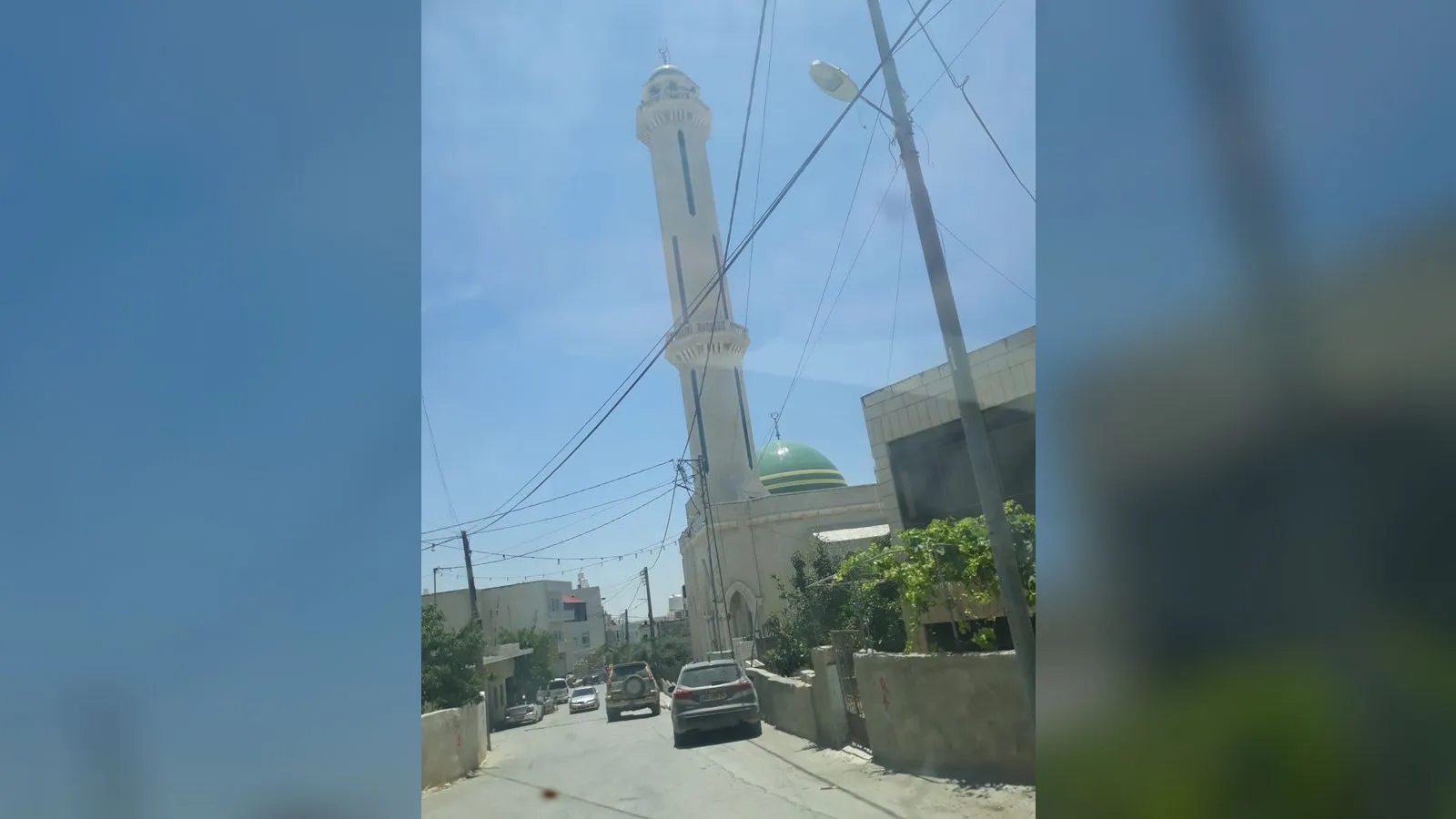
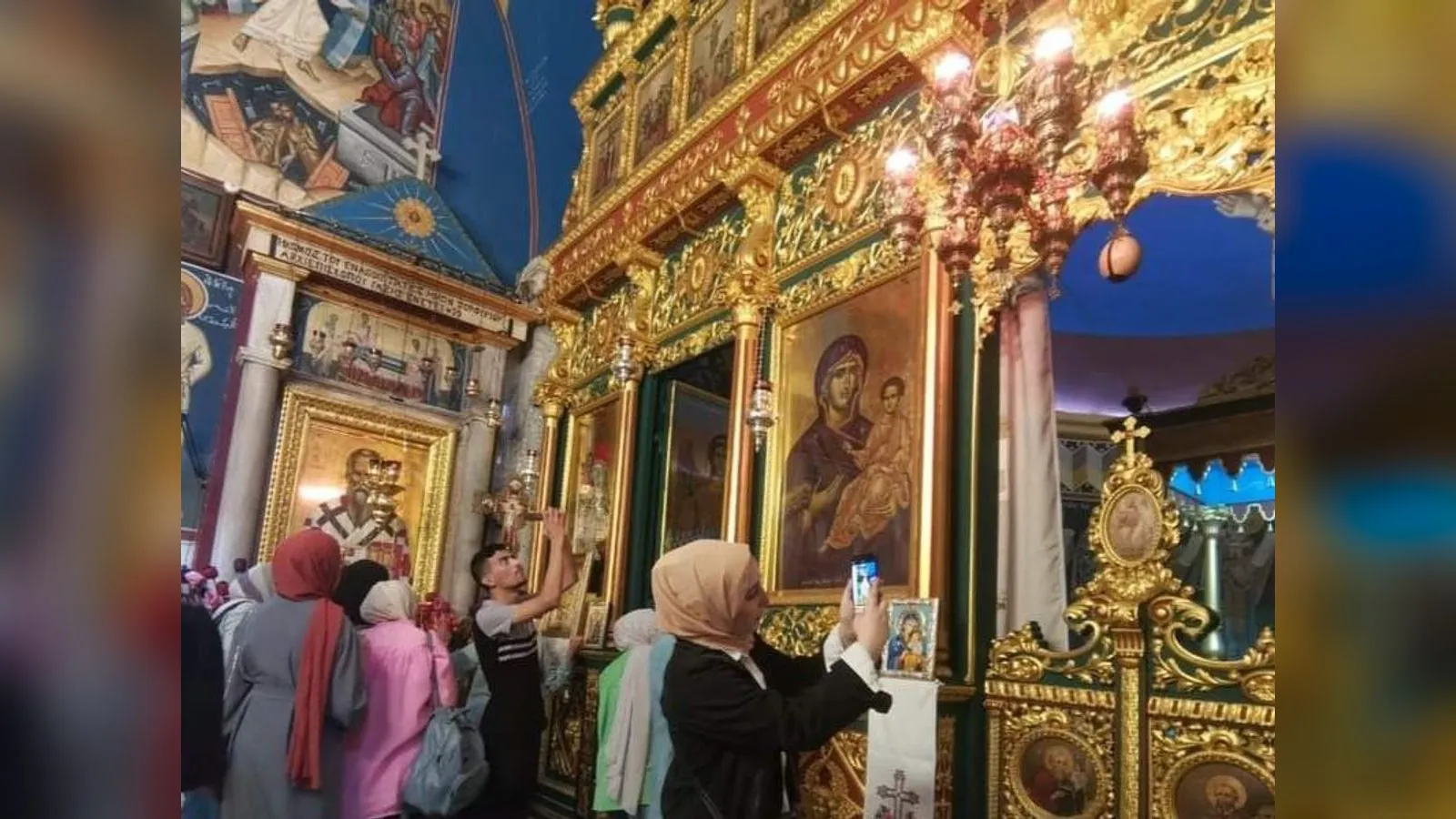
The olive harvest is meant to be a month of family gatherings in the fields. For many Palestinians this year it is a calculation of how early to pick and whether to go out at all. The pattern of attacks, with a quarter of incidents taking place in front of Israeli troops, is why rights groups and farmers say protection is not the problem of a few bad days but of policy. Read our reports on settlers torching a mosque in Mukhmas and on a strike that killed a Christian mother and daughter during the olive harvest in Gaza.
This article draws on reporting by Dawn and AFP.
Comments
Comments are reviewed by our editors before they appear. Please keep them civil and on topic. See our terms.
No comments yet. Be the first to share your view.