

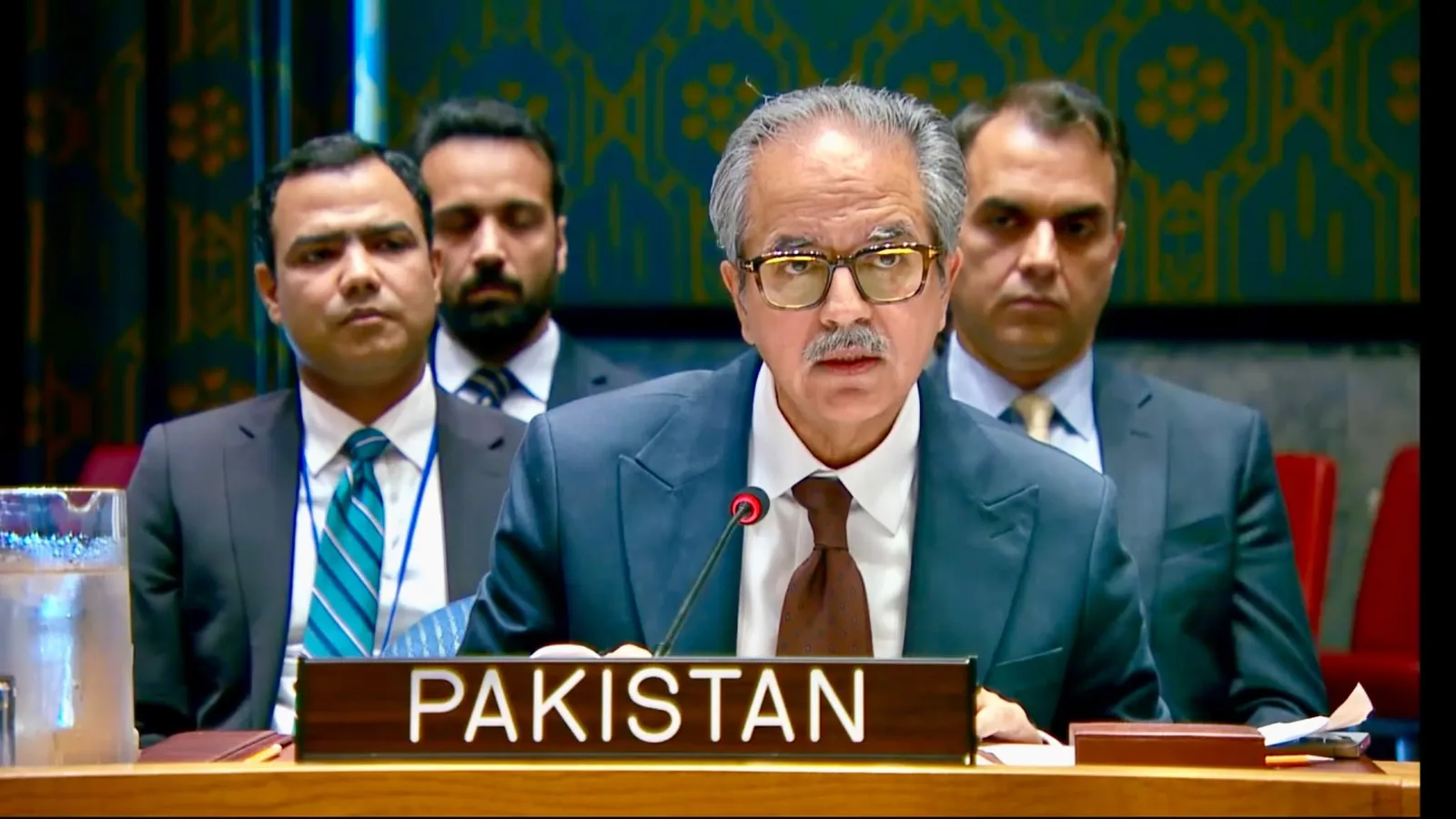
Pakistan has told the United Nations Security Council that it will stand “shoulder to shoulder” with Saudi Arabia against continued Houthi attacks, and called on the Yemeni group to stop its strikes on the kingdom immediately.
Addressing the council’s monthly briefing on Yemen on Friday evening, Pakistan’s Permanent Representative to the UN, Ambassador Asim Iftikhar Ahmad, condemned the attacks and invoked the Makkah Joint Defence Agreement, Dawn reported.
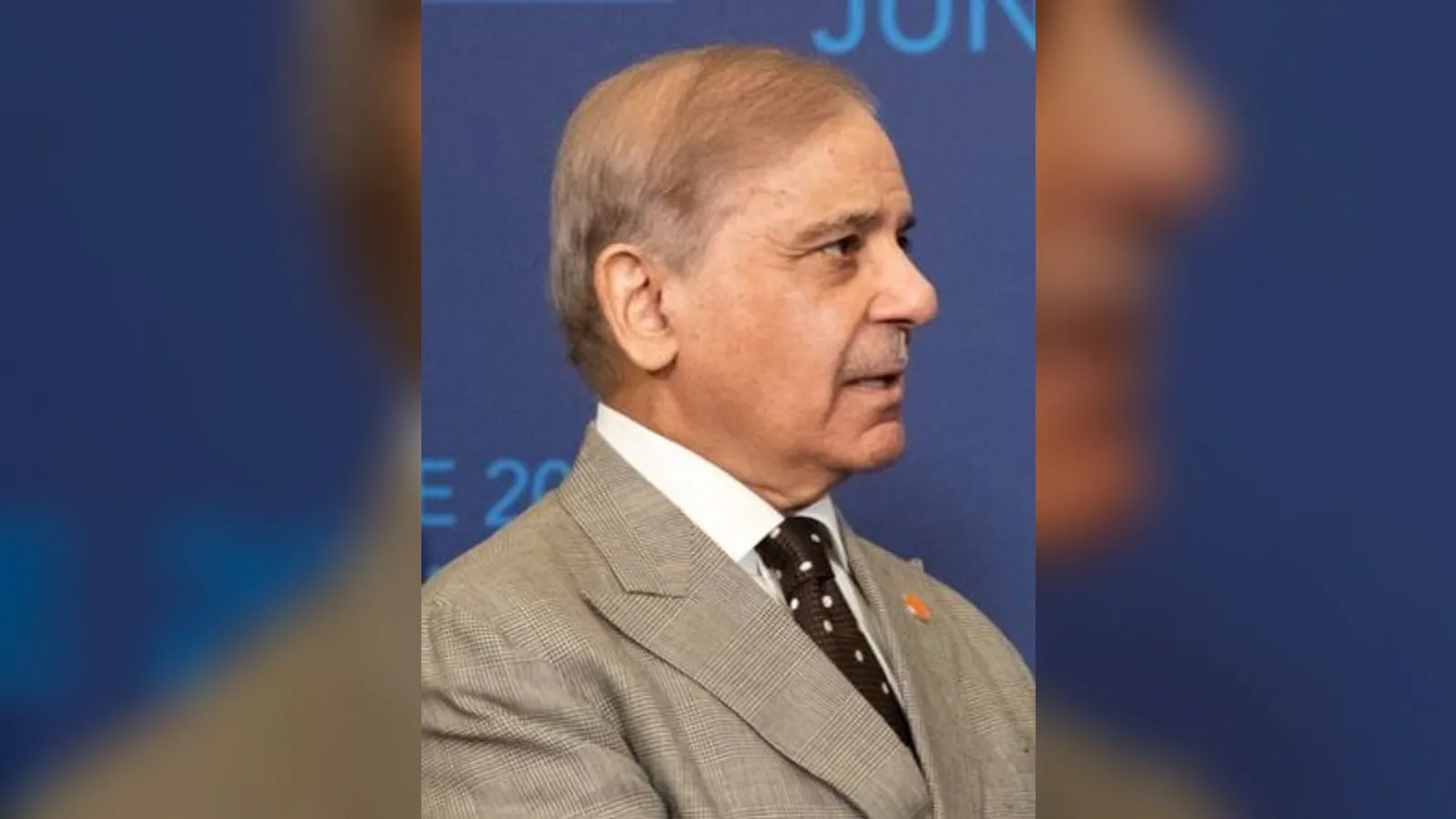
“In line with the Makkah Joint Defence Agreement, and recent decisions taken by its Strategic Political and Defence Committee, our commitment to the Kingdom’s sovereignty, territorial integrity and security is resolute,” he said, quoting Prime Minister Shehbaz Sharif’s statement a day earlier.
Attacks condemned
The ambassador condemned Houthi attacks on infrastructure in the Makkah Governorate and on the Taibah power distribution station in Madinah. He recalled Pakistan’s condemnation of the strikes on King Khalid International Airport in Riyadh and Abha International Airport, which killed and injured civilians.
“The Houthi militia must immediately cease these attacks,” he said. “The security and sanctity of the Two Holy Mosques must be respected at all times.”
He said Pakistan fully supports Saudi Arabia’s legitimate right to defend its people and protect its cities and vital infrastructure.
Support for Yemen and peace talks
Beyond Saudi security, Pakistan set out its wider position on Yemen:
- Sovereignty: support for Yemen’s sovereignty, unity and territorial integrity, and for its internationally recognised government
- Shipping: the Houthi offensive along Yemen’s western coast and around the Bab el-Mandeb Strait showed the urgency of protecting maritime security; the Houthis must stop attacking commercial shipping
- Diplomacy: backing for UN Special Envoy Hans Grundberg’s efforts to contain the escalation, and for an inclusive, Yemeni-led political process under UN auspices
- Humanitarian access: safe, rapid and unhindered aid, adequate funding, and protection of civilian infrastructure, with food, fuel and essential supplies reaching all in need
- Detainees: the immediate, unconditional release of detained UN, humanitarian and diplomatic staff
He warned that renewed fighting, including the offensive around Taiz and a Houthi attack on Aden airport, had put civilians and essential infrastructure at further risk.
“The council must act with unity and purpose to halt Houthi attacks, safeguard regional security, alleviate suffering and restore a credible path towards a political settlement,” Ahmad said.
Europe widens airspace warning
The same day, the European Union Aviation Safety Agency (EASA) widened its warning on Saudi airspace, The Express Tribune reported. It said recent attacks showed the Houthis’ “ability and intent” to strike “deeper inside Saudi territory, including in the Riyadh, Tabuk, Medina and Yanbu areas”.
EASA said the attacks had shown “a greater focus on aviation infrastructure than previously”, raising risks to aircraft on the ground and during take-off and landing. Missile and drone strikes, together with air-defence activity, also increased the risk of civil aircraft being misidentified, it said.
Saudi Arabia’s civil aviation authority has said three people were killed and 36 injured in the Houthi attacks on the Abha and Riyadh airports.
Why it matters
Taking the prime minister’s words to the Security Council puts Pakistan’s commitment to Saudi Arabia under the Makkah pact on the international record, while pairing it with calls for a ceasefire, humanitarian access and a UN-led political process in Yemen.
This article draws on reporting by Dawn and The Express Tribune.
Comments
Comments are reviewed by our editors before they appear. Please keep them civil and on topic. See our terms.
No comments yet. Be the first to share your view.