

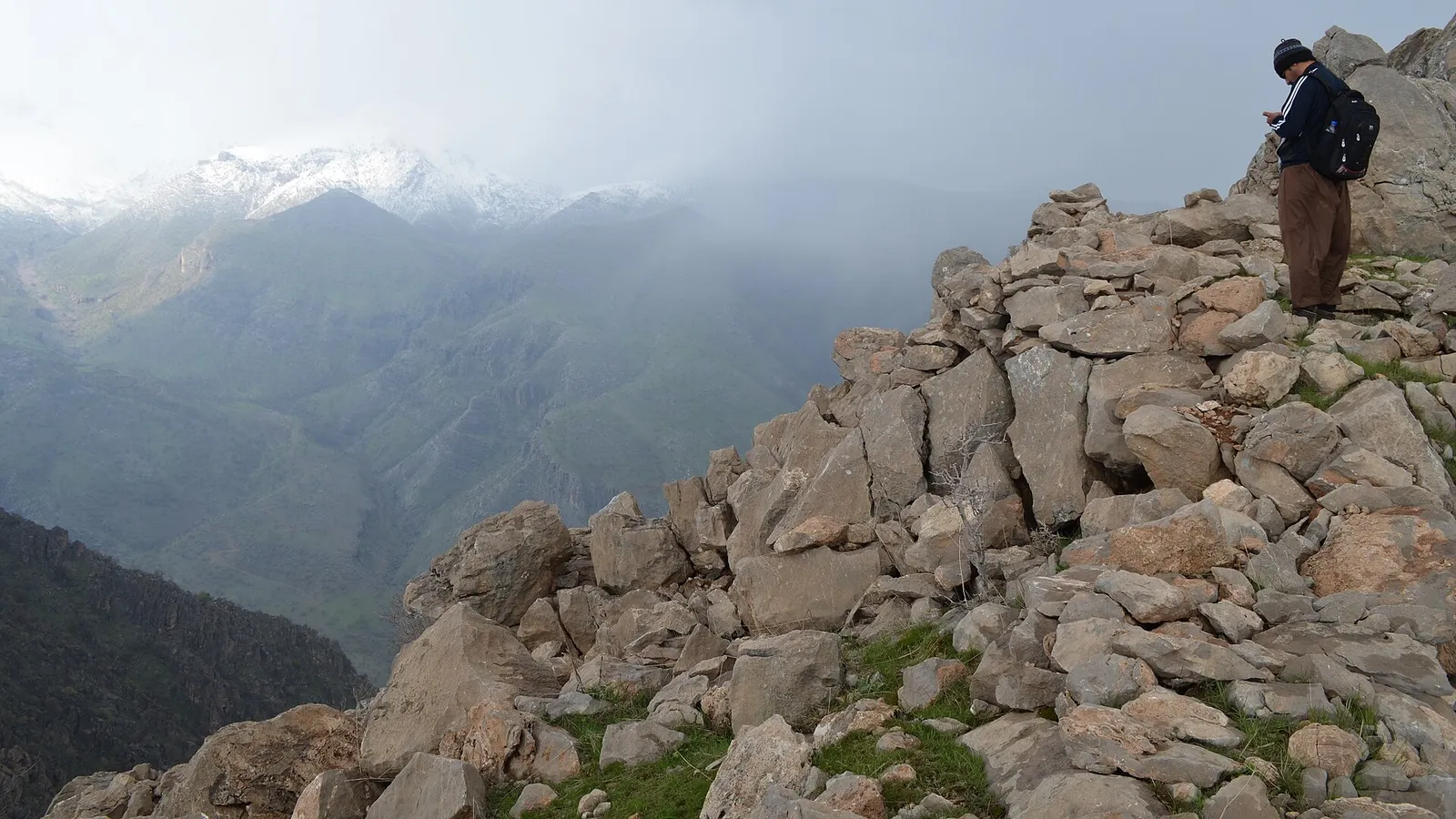
Turkiye’s intelligence services said on Monday that fighters of the Kurdistan Workers’ Party (PKK) had withdrawn from four key bases in northern Iraq, confirming a move the group announced last week and marking another step in the peace process aimed at ending decades of violence.
“The PKK evacuated the Hebat, Yajk, Sabri and Sason hideouts in Baze, in the Metina region of northern Iraq, on Oct 8,” security sources said in a statement carried by the state news agency Anadolu, Dawn reported. The statement was widely understood to have come from the National Intelligence Organisation (MIT).
The PKK’s announcement
On Thursday, the PKK said it had withdrawn all its armed forces “both within and outside Turkiye that could be considered near the border… a few days ago”. That included a withdrawal “from four war tunnels and positions in Metina, west of Zap”, a strategic border area that the Turkish military had often targeted in the past.
Ankara has repeatedly said that all disarmament moves by the PKK must be verified by Turkish intelligence. That verification is a key part of a law passed in August that offers limited amnesty to PKK militants. It must confirm an end to all military activity and the handover of weapons and ammunition before the law’s legal measures can be applied.
The road so far
- May 2025: the PKK announced it was disbanding after a call by its jailed leader Abdullah Ocalan
- Two months later: militants took part in a disarmament ceremony in northern Iraq, where they began symbolically destroying their weapons
- August 2026: Turkiye’s parliament passed the bill offering limited amnesty for PKK militants
- October 8: the PKK left the four Metina bases
Bringing fighters home
The Turkish statement said the evacuation would allow the process to move forward, eventually letting former militants return home.
“Following the cessation of PKK activities in all areas, social reconciliation will be achieved with organisation members who will return to Turkiye in the later stages of the process, benefiting from the law,” it said. “The goal is to ensure the integration of PKK members into society through integrated programmes in many areas such as education and the economy.”
Calls for goodwill
Cihan Aydin, co-chair of the Human Rights Association, called the withdrawal “a very important indicator” of the group’s determination to end the conflict, and said Ankara should respond positively, especially through democratic reforms.
“Concrete goodwill measures will strengthen confidence in the process and make it more resilient,” he said.
Tensions remain. Earlier this month, President Recep Tayyip Erdogan reaffirmed the government’s goal of a “terror-free Turkiye”, but on Thursday the PKK accused Ankara of not pursuing the process with enough sincerity and speed despite the militants keeping their side of the bargain.
Ocalan’s role
Turkiye has set up four sub-committees to oversee practical parts of the PKK’s dissolution, including one on disarmament that Ocalan will join. Senior Erdogan adviser Mehmet Ucum said Ocalan would take part but stressed this did not mean he would be released.
Ocalan, 77, has spent the past 27 years serving a life sentence in solitary confinement on Imrali island near Istanbul. The PKK leadership has repeatedly demanded his release as part of the process, but the new law does not say what will happen to him.
Why it matters
Turkiye, a close friend of Pakistan, has spent decades fighting the PKK. If the peace process holds, it could end one of the region’s longest-running conflicts and bring stability to the border with Iraq. Read our report on Turkiye’s role in supporting Saudi Arabia under the Makkah pact.
This article draws on reporting by Dawn and Anadolu.
Comments
Comments are reviewed by our editors before they appear. Please keep them civil and on topic. See our terms.
No comments yet. Be the first to share your view.