
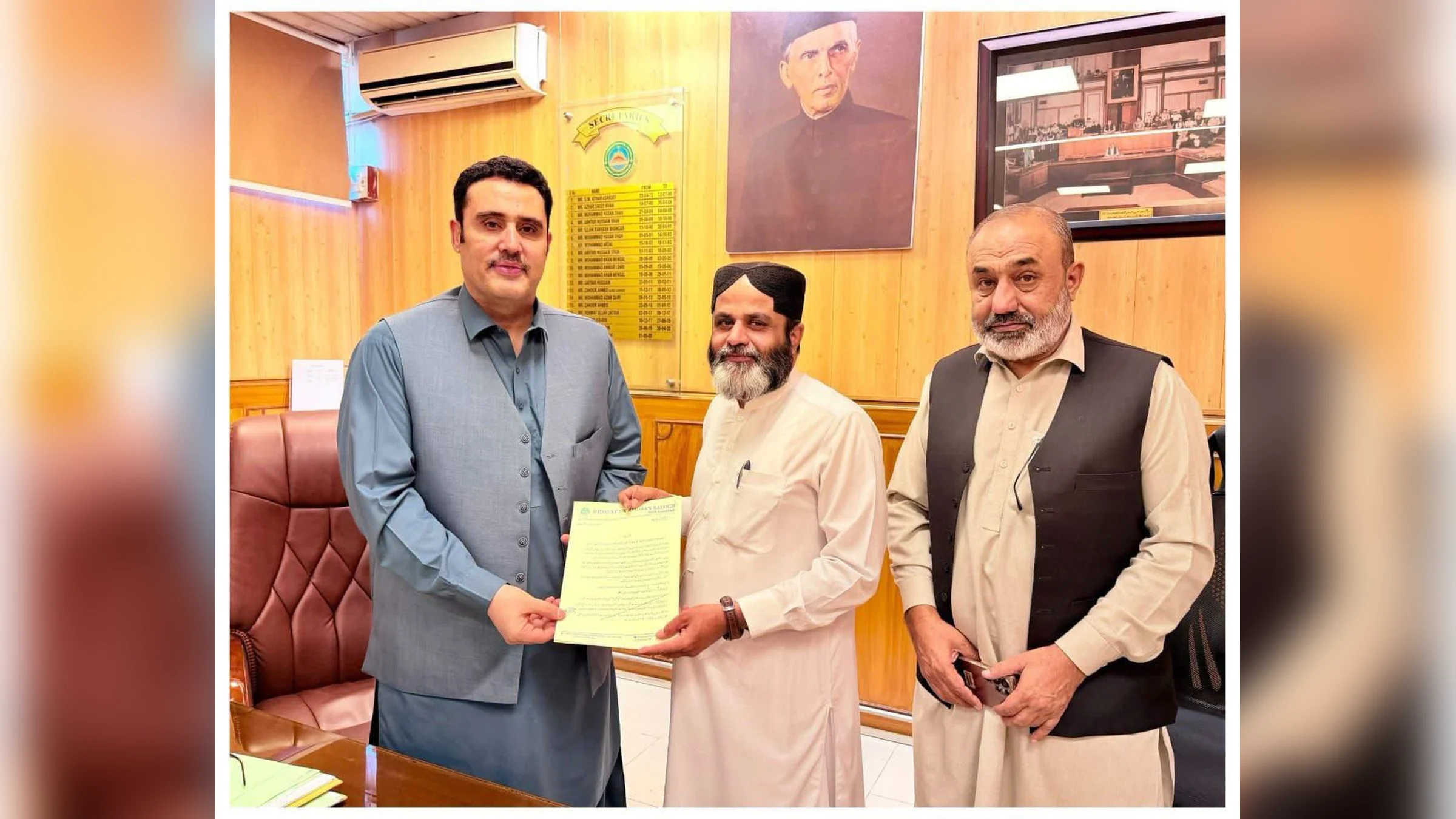
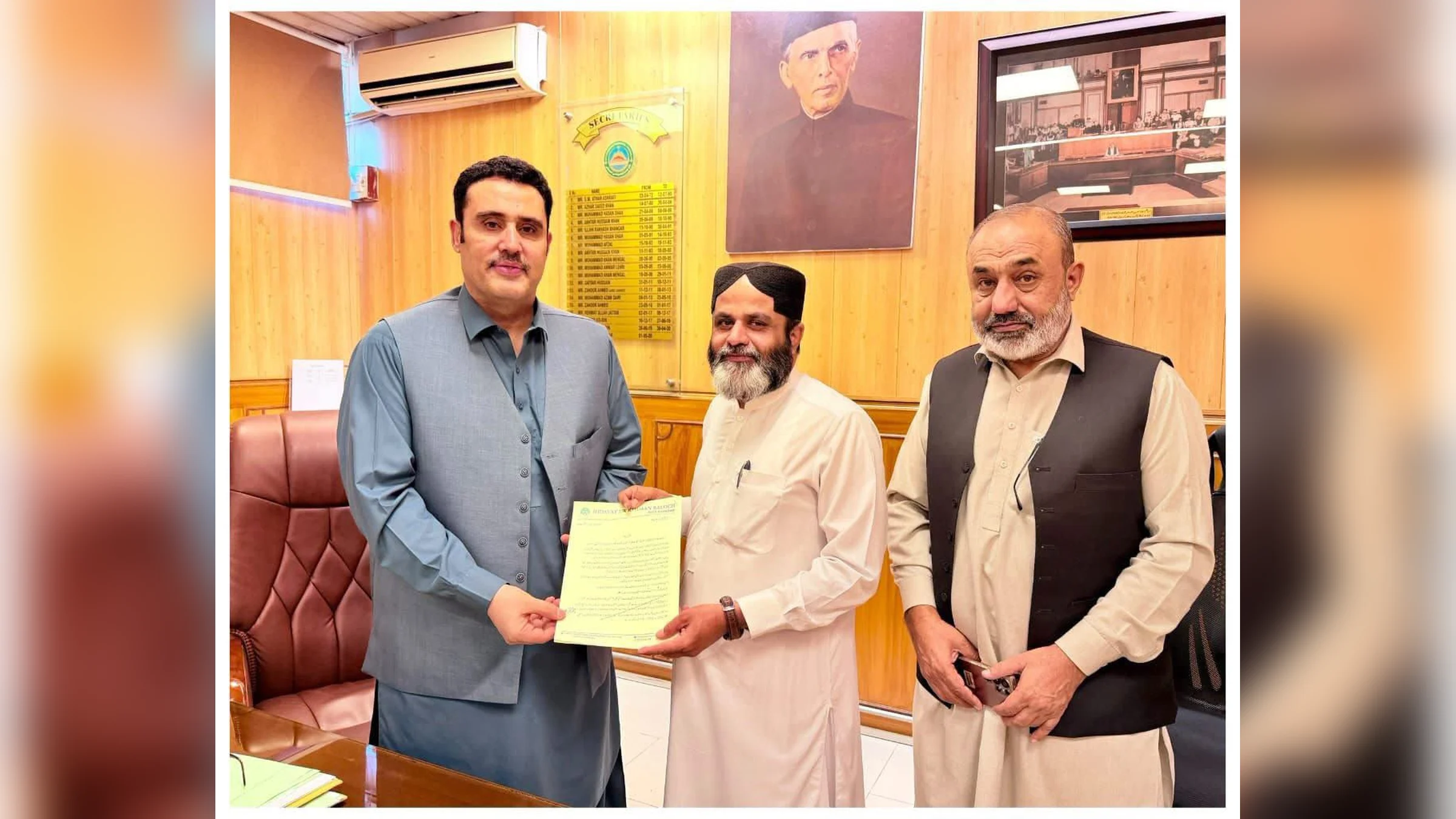
A resolution seeking the immediate abolition of the sardari system in Balochistan, and a ban on using the titles Sardar and Nawab in writing and speech, was disposed of in the provincial assembly on Monday without being moved, Dawn and The Express Tribune reported.
Speaker Captain (retd) Abdul Khaliq Achakzai ruled that the matter was already settled in law.
The speaker’s ruling
Achakzai told the house that a review of the legal and judicial record showed:
- The 1976 law: legislation abolishing the sardari system was passed and implemented in 1976 and applies to the whole country.
- Court rulings: the Balochistan High Court has issued decisions on the sardari system, which the Federal Constitutional Court upheld on March 6 this year.
In view of that position, he disposed of the resolution moved by Jamaat-i-Islami MPA Maulana Hidayatur Rehman Baloch.
A heated exchange
Baloch rose on a point of order, saying the resolution had been placed on the agenda and that he would revise it and bring it again. Opposition Leader Mir Younis Aziz Zehri objected that the matter could not be discussed once the speaker had disposed of it, and treasury members backed him.
Baloch asked why the opposition was offended by his remarks, and the two traded sarcastic and harsh comments.
Parliamentary Secretary Agha Umer Ahmedzai said the sardari system had existed for thousands of years. “If someone commits oppression or injustice somewhere, it should be pointed out. It is not right to blame all Sardars,” he said. Parliamentary Secretary Nawabzada Zarain Khan Magsi said anyone wanting to raise the issue should bring a fresh resolution.
“If someone wants to talk about it, he should bring a resolution again in the assembly,” Magsi said.
The speaker said Baloch’s point deserved a hearing, since he was really seeking implementation of the existing law. But the house lost its quorum and was adjourned until 3pm on November 10.
Background: a 50-year-old law
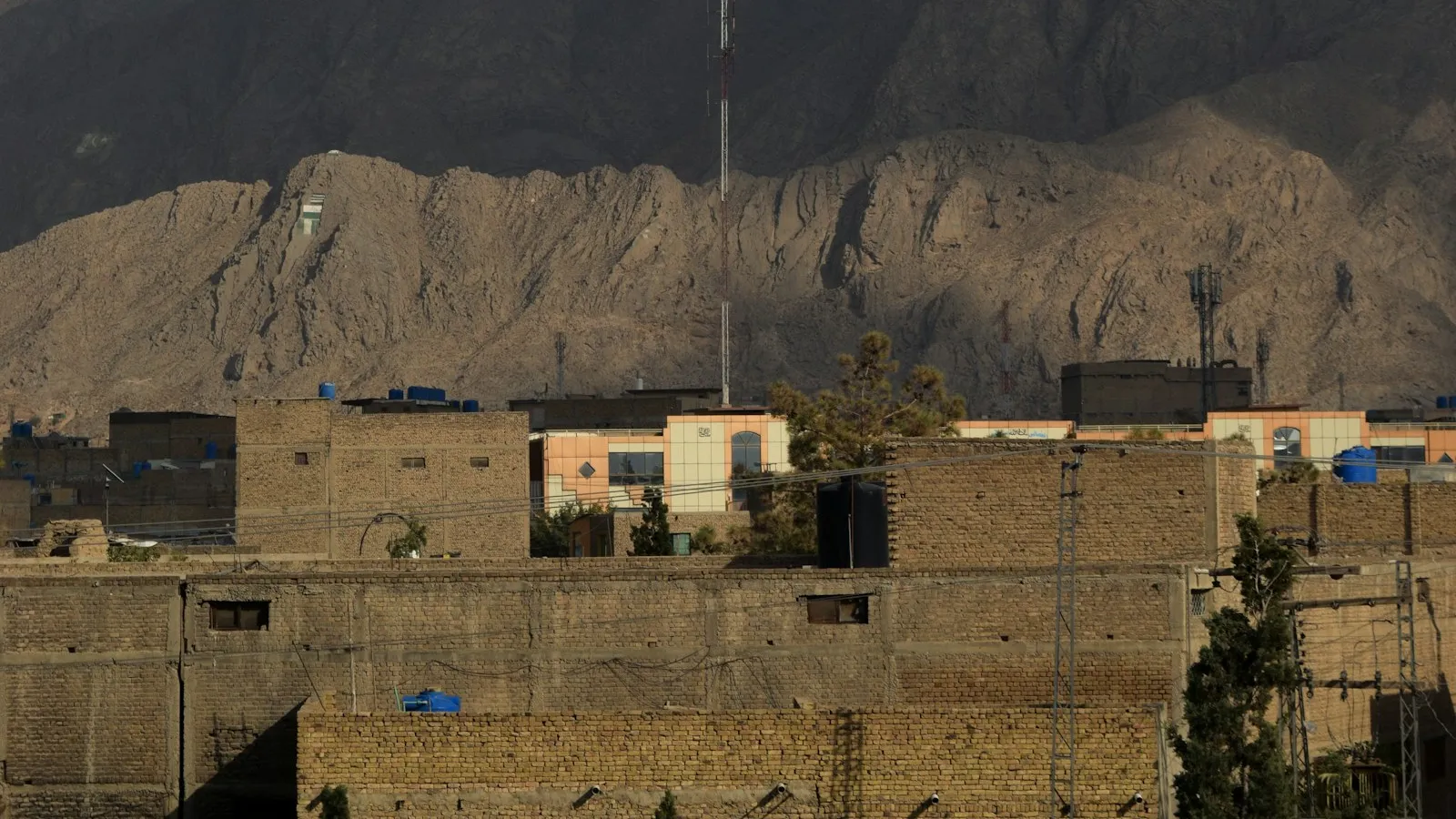
The resolution was first due on Thursday but was deferred after the death of a former minister. The demand itself is old. The Balochistan Assembly first called for ending the sardari system in 1972, and Zulfikar Ali Bhutto’s government enacted the System of Sardari (Abolition) Act in 1976, after Bhutto announced the abolition at a public meeting at Quetta’s Liaquat Park.
The resolution Baloch tabled this time went further than the 1972 call. Besides seeking immediate abolition, it asked for a ban on the use of the titles Sardar and Nawab in writing and speech.
Why it matters
The ruling exposes the gap at the heart of the debate: the sardari system was abolished on paper half a century ago, yet tribal titles and influence remain part of Balochistan’s politics, including inside the assembly. That is why Baloch says he wants the law enforced, not passed again.
The open questions are whether he returns with a reworded resolution after November 10, and whether any party will back a call to enforce the 1976 Act in practice.
This article draws on reporting by Dawn and The Express Tribune.


Comments
Comments are reviewed by our editors before they appear. Please keep them civil and on topic. See our terms.
No comments yet. Be the first to share your view.