


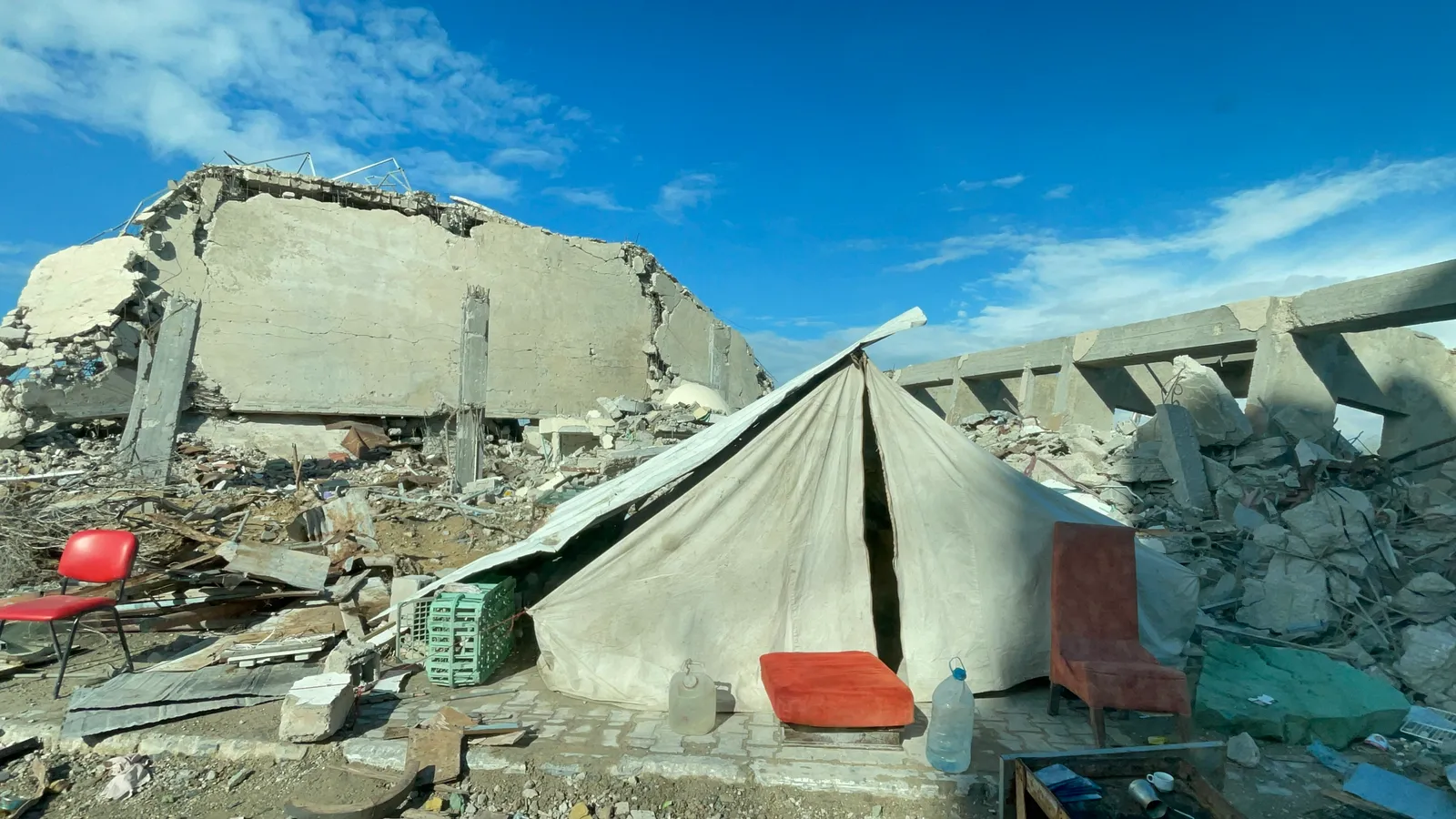
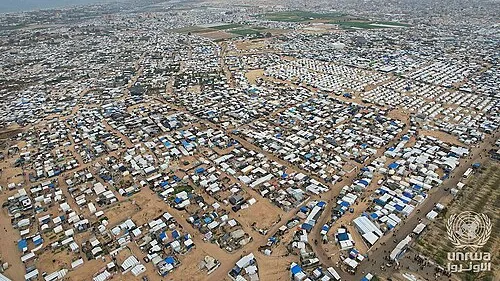
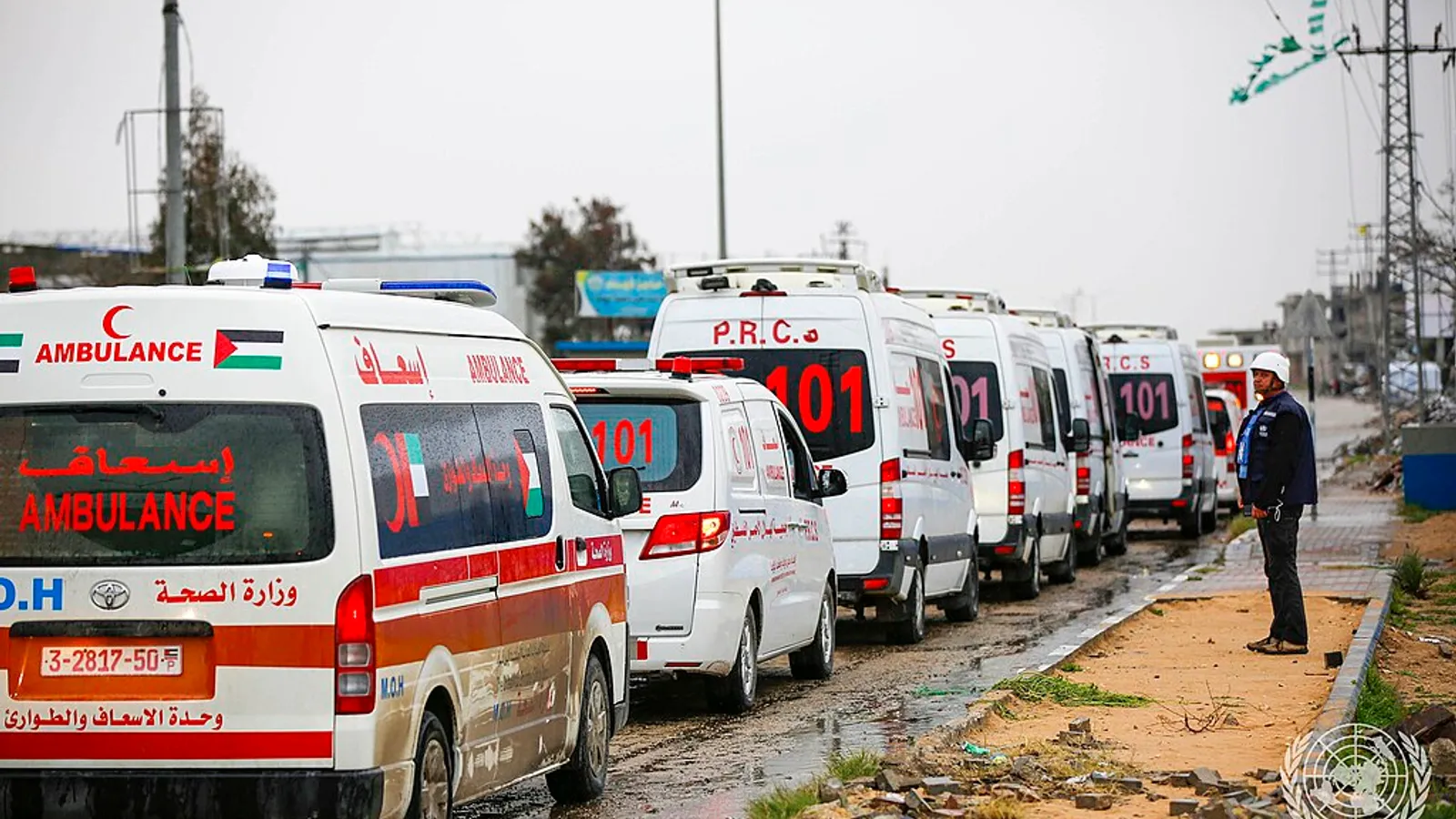
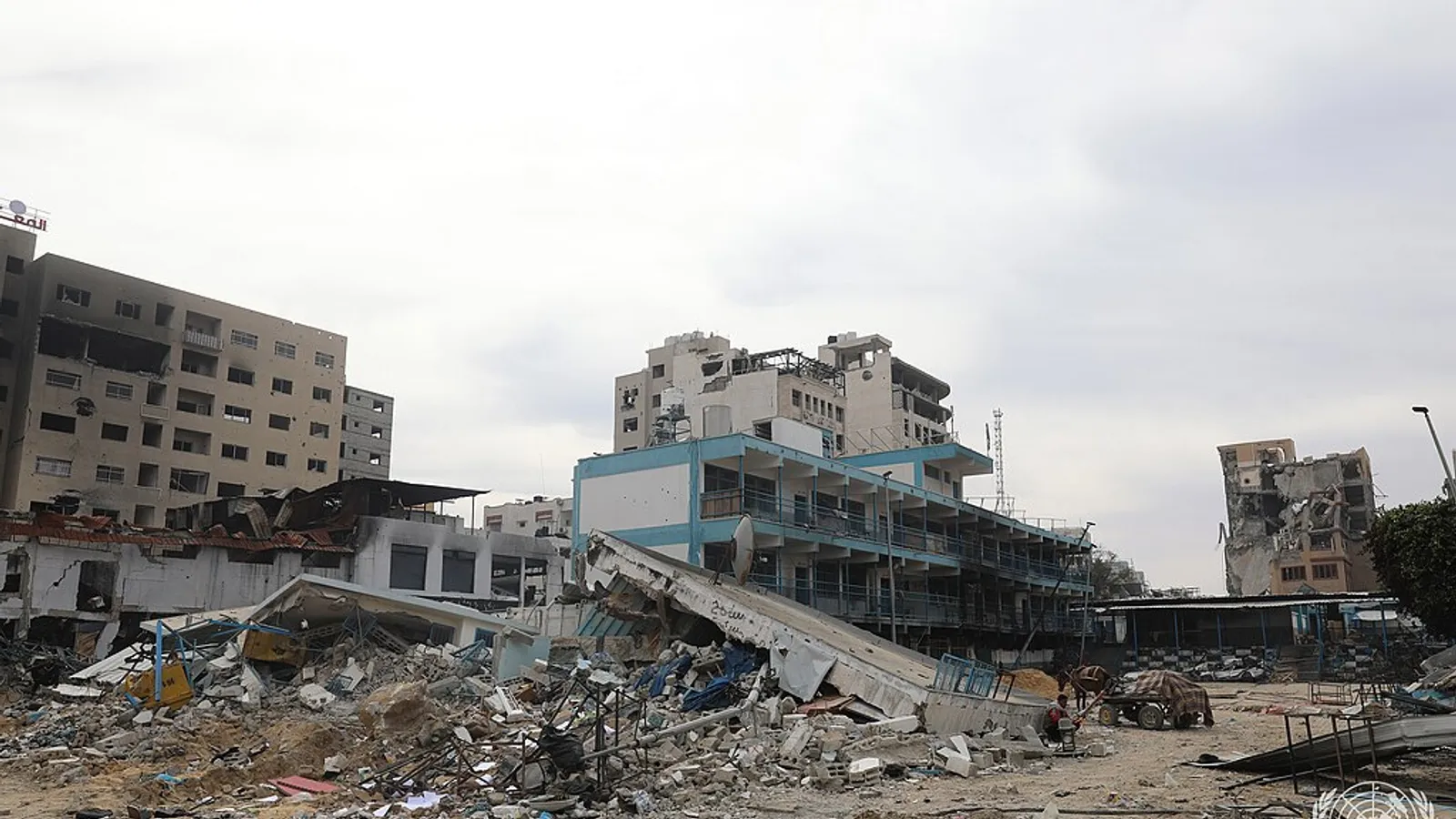
Gaza and Sudan together account for roughly 90 percent of all people living in catastrophic hunger worldwide, as emergency levels of food insecurity reach their highest point since 2021, according to an analysis published by Geo News.
The world produces enough food, yet 37.4 million people were living at IPC Phase 4 in 2025, the emergency level where families face extreme food gaps, very high malnutrition and rising deaths. That is the highest figure since 2021, when it peaked at 39.2 million, and more than 2.5 times the 14.5 million recorded in 2016, according to figures from World Food Program USA.
Catastrophe in six countries
The number of countries with people in IPC Phase 5, the catastrophe category, has tripled from two in 2016 to six in 2025. Together they held about 1.41 million people in catastrophic hunger last year:
- Gaza: about 641,000
- Sudan: about 637,000
- South Sudan: 83,000
- Yemen: 41,000
- Haiti: 8,400
- Mali: 2,600
Hunger is concentrating
In 2025, 85.7 percent of people in emergency-level hunger lived in “watchlist” countries, up from 78.6 percent a year earlier. That is 32 million people, against 5.4 million in the rest of the world.
The FAO and WFP’s latest early-warning analysis identifies 13 hunger hotspots through November 2026, with armed conflict a main driver in 12 of them. Sudan has 14 areas at risk of famine. Nigeria joined the highest-concern category this year, with Borno State facing alarming conditions, and Somalia’s Burhakaba district was added after a failed rainy season and rising prices.
“A failure of enforcement”
Former FAO director-general José Graziano da Silva has argued that the world no longer lacks information, since satellite data, market monitoring and early-warning systems all exist. Eight years after Security Council Resolution 2417 condemned starvation as a method of warfare, he says the failure is one of enforcement and early action.
Aid is drying up
- Funding: humanitarian assistance to food sectors in crisis countries fell an estimated 59 percent between 2022 and 2025, back to 2016-17 levels
- US cuts: the Trump administration ended around 83 percent of USAID’s global programmes, AP reported
- Shortfall: by June 2026, only a third of global humanitarian needs had been funded, and agencies are prioritising 87 million people for life-saving help out of 135 million targeted
- Less data: WFP survey interviews fell from 1.1 million to 800,000, and real-time monitoring country offices dropped from 35 in 2022 to 18
New pressures in 2026
War, El Nino and inflation are adding to the crisis. Disruption around the Strait of Hormuz, which carried about a fifth of global oil and a third of fertiliser trade, pushed fuel prices up 40 percent in March alone, while urea prices jumped nearly 46 percent between February and March. Import-dependent countries such as Yemen, Lebanon and Somalia are paying through higher food prices.
Why it matters
The people of Gaza are not hungry because the world lacks food. They are hungry because of war. Behind these numbers are hundreds of thousands of Palestinian families facing catastrophe, and the world has the tools to stop it, if it chooses to act. Read our reports on Gaza’s death toll passing 74,000 and on the airstrike on a Sudanese gold mine.
This article draws on reporting by Geo News, World Food Program USA, the FAO and WFP.
Comments
Comments are reviewed by our editors before they appear. Please keep them civil and on topic. See our terms.
No comments yet. Be the first to share your view.