

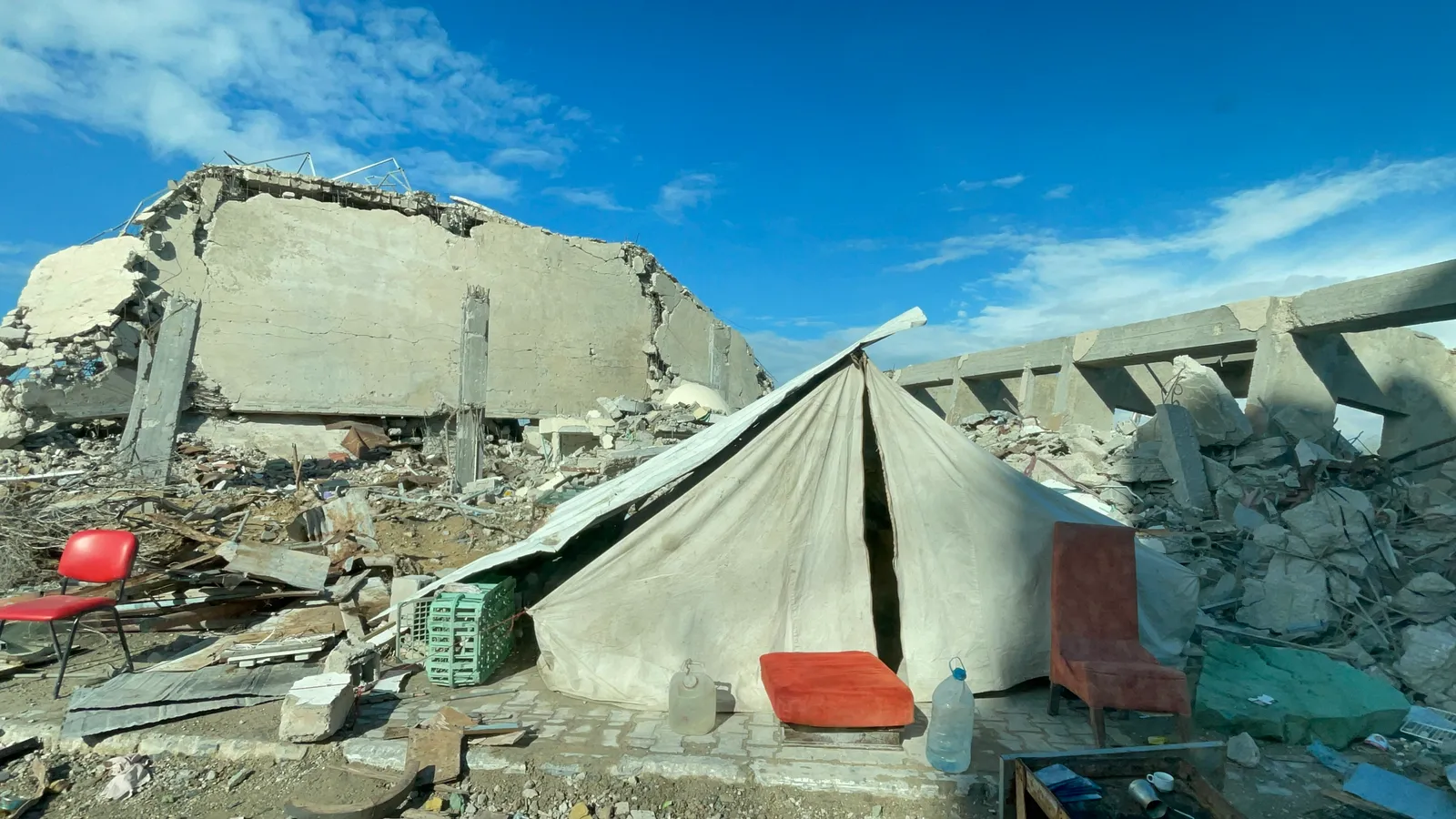
Palestinian photographer Mahmoud Abu Hamda has won the photography prize at the Bayeux awards for war correspondents, a prestigious honour in journalism, for his work documenting life in Gaza.
The Gaza-based freelancer also won the Public’s Choice award for his reportage “What War Leaves Behind”, ARY News reported, citing AFP.
“Leave the borders of Gaza”
Abu Hamda could not attend the ceremony in Bayeux, in north-west France, and sent a video message instead. “My greatest honour is that these photos have been able to leave the borders of Gaza,” he said.
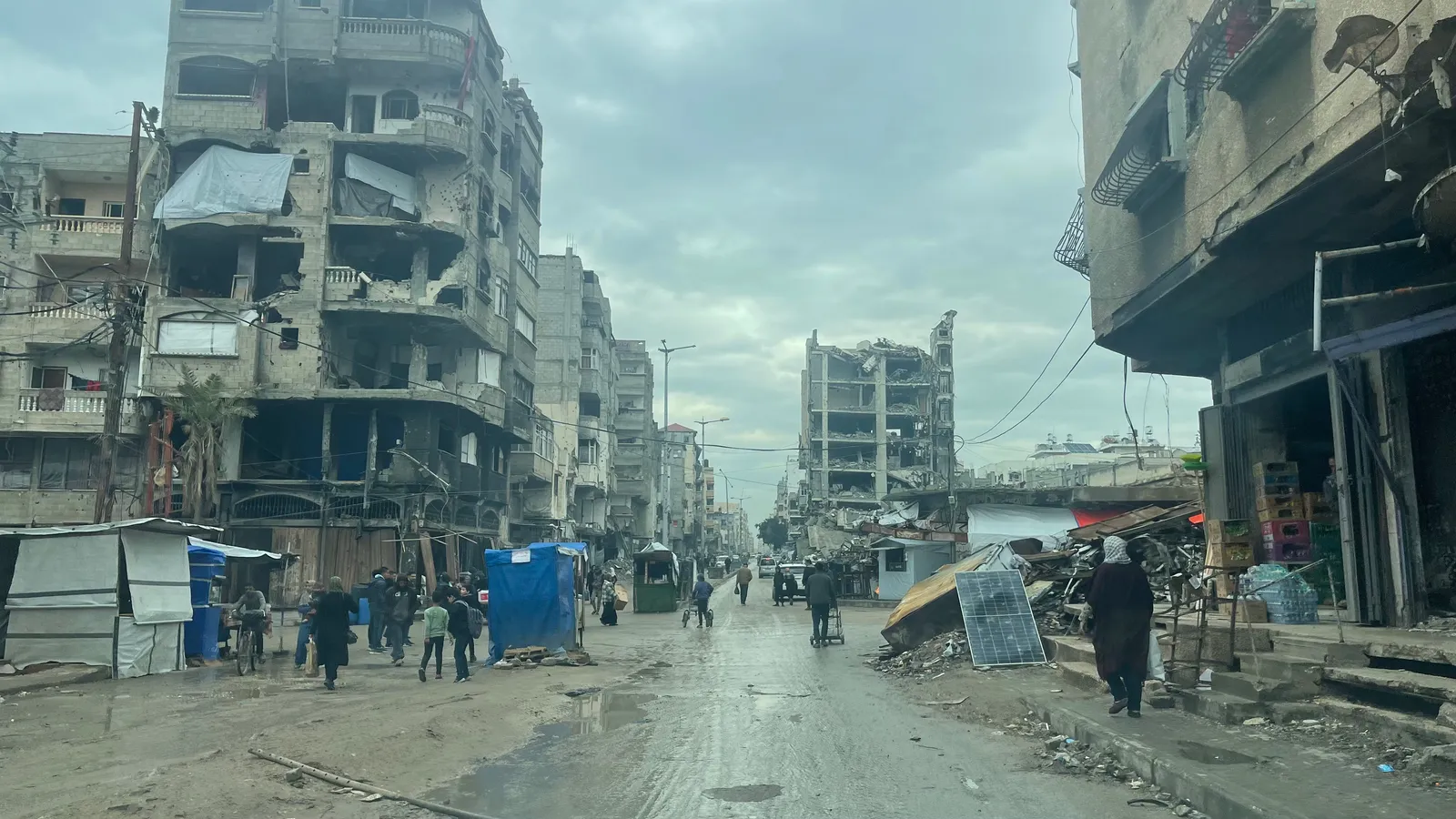
He sent his unpublished work to the jury himself. It shows life in the Gaza Strip and the hardship its people have endured since Israel launched its offensive after the October 7 attack three years ago.
Gaza’s journalists honoured
Palestinian journalists and stories from Gaza and the occupied West Bank dominated this year’s awards:
- Radio: Palestinian journalist Anas Baba of NPR won for a report on the recovery of victims’ bodies in Gaza
- Television: CNN won both the television prize and the video image award for a report on Israeli soldiers serving settlers in the occupied West Bank
- Young reporter: Associated Press photographer Jehad Alshrafi took the young reporter photography prize for his series “Endless War and Devastation in Gaza”
- Print: The Washington Post won for the story of a Ukrainian soldier trapped in a combat zone for 177 days
One of Alshrafi’s photos, showing footballers playing on a pitch surrounded by rubble in Gaza, caused controversy in France in August when it was removed from a sports photography festival in Deauville, before a court ordered it reinstated. Veteran BBC war correspondent Lyse Doucet chaired this year’s jury.
A ceasefire that “exists only on paper”
The award comes as Gazans say the ceasefire agreed a year ago has brought little relief.
- Still dying: Gaza health officials say at least 1,400 Palestinians have been killed by Israeli fire since the October 2025 ceasefire; Israel says four of its soldiers have been killed in the same period
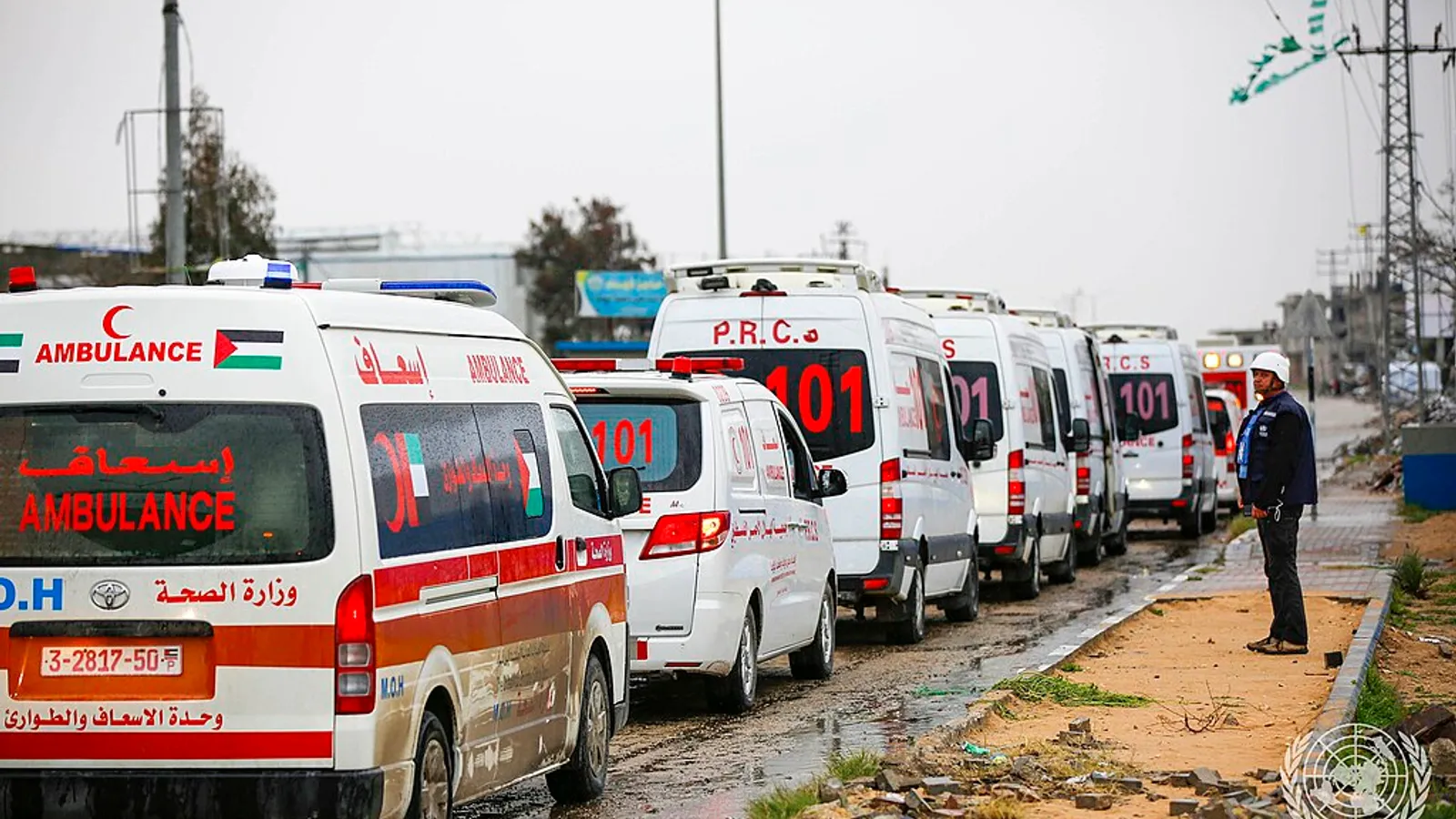
- Still under fire: on Monday, medics said an Israeli strike killed two people; late on Sunday, an airstrike on a tent in Mawasi, Khan Younis, killed three. Israel said it targeted a militant
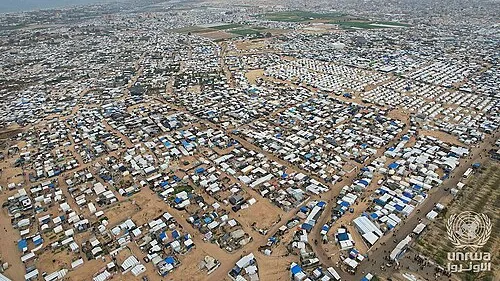
- Still in tents: the UN says 82 percent of all buildings in Gaza were damaged or destroyed as of mid-2026, and Israel now controls about 70 percent of the territory
“Nothing has changed for the better; everything has gotten worse,” Fatima Awkal, a displaced woman in Gaza City, told AFP. “It has been a full year since the ceasefire was declared, yet it exists only on paper,” said Ahmed Shawan, a doctor in Khan Younis.
Why it matters
Abu Hamda’s photos, and the reports by Palestinian journalists honoured alongside him, carry the daily reality of Gaza to audiences far beyond its borders. The prizes recognise that work, and the people whose suffering it records, at a time when the ceasefire has not ended the killing. Read our report on Gaza one year after the ceasefire.
This article draws on reporting by ARY News, AFP and Reuters.
Comments
Comments are reviewed by our editors before they appear. Please keep them civil and on topic. See our terms.
No comments yet. Be the first to share your view.