

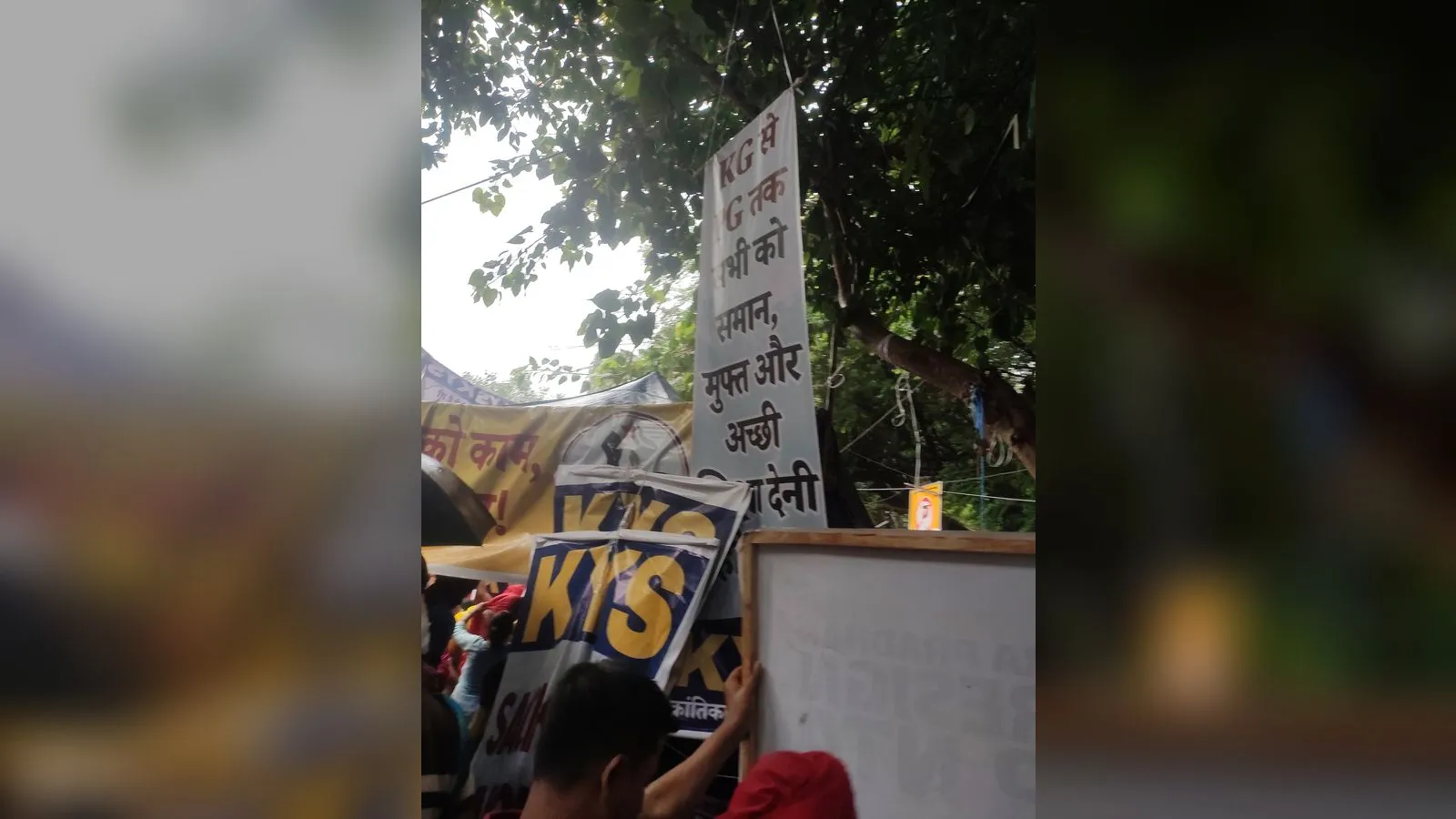
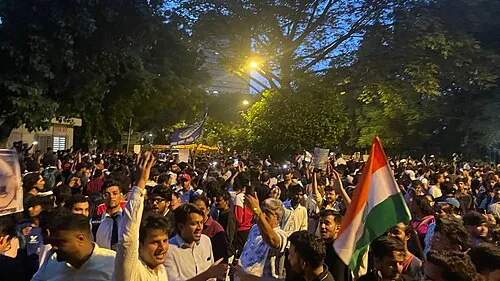
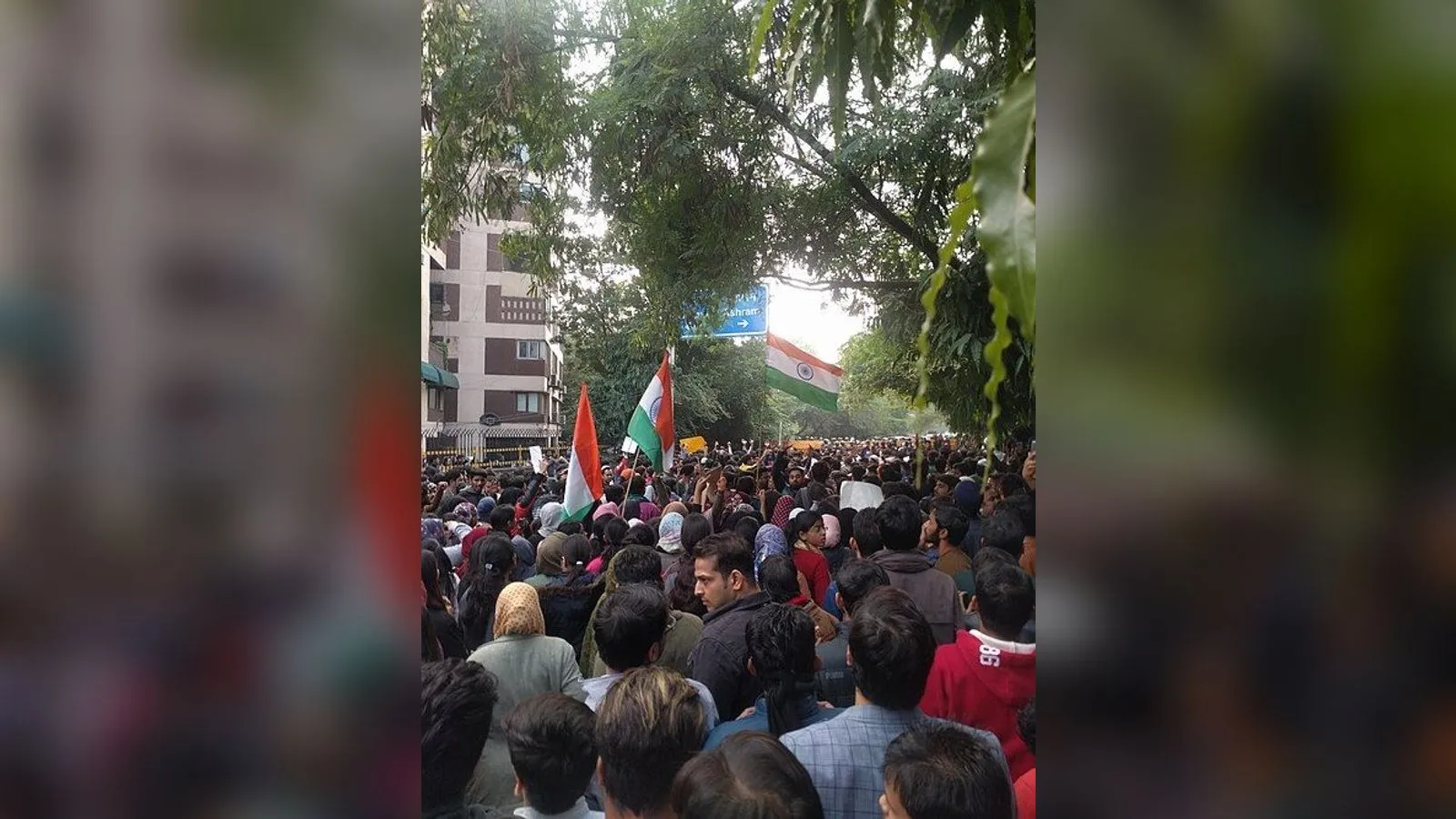
Youth-led protests sweeping India are the worst crisis for Prime Minister Narendra Modi since he came to power in 2014, analysts say, as authorities in New Delhi closed a central park on Friday to stop a fresh rally against the country’s election chief.
Street protests in India this year are likely to be the highest in a decade, according to the Armed Conflict Location and Event Data (ACLED) project, as Gen Z activists pour onto the streets, Dawn reported, citing Reuters. People under 30 make up nearly a quarter of India’s 1 billion voters.
The voter roll row
The protests demand the resignation of Chief Election Commissioner Gyanesh Kumar over a voter roll revision that critics say favours Modi’s Bharatiya Janata Party (BJP):
- Names removed: more than 130 million, according to media reports
- Who is hit: critics say the removals have disproportionately affected minorities, particularly Muslims
- The official view: election authorities say the exercise removed duplicate, dead and fraudulent entries, and the Election Commission denies wrongdoing
- The BJP’s claim: party members have long alleged that undocumented Muslim migrants from Bangladesh entered the rolls fraudulently
Delhi locks down
Delhi authorities closed Central Park for two days for “administrative” reasons ahead of a rally called by the Cockroach Janta Party (CJP), which grew from online satire into a national movement, Dawn reported, citing AFP. Police barred gatherings around Connaught Place, and earlier this week removed Jantar Mantar’s status as a designated protest site.
“I want to tell Narendra Modi that we are not afraid… if waving the Indian national flag lands you in jail, we are ready,” CJP founder Abhijeet Dipke said.
Defence Minister Rajnath Singh said the opposition’s real aim was “to seize power by creating anarchy in the country”.
“The fear in us is gone”
“We don’t fear being detained or beaten up by the police. This generation enjoys it,” said Ananya Raturi, a 21-year-old Delhi University student. Police deny beating protesters.
Activist Yogendra Yadav said the protests marked “the beginning of a downward spiral” for the Modi government, though analysts note it remains stable, with the next general election not due until 2029.
Jobs and minorities
The anger goes beyond the voter rolls:
- Unemployment: 9.9 percent among the 367 million Indians aged 15 to 29 in 2025, and nearly 40 percent among graduates aged 15 to 25, according to Azim Premji University
- Exam leaks: unrest erupted in May after national medical college exams were cancelled over leaked papers
- Minorities: many young protesters say the Hindu nationalist government is more focused on religious issues and divisive politics against minorities, especially Muslims
“There are cases of violence against minorities. When anyone speaks against them, it is labelled as treason or sedition,” said medical student Gauri Seth. The government says it works for all Indians and created 168.3 million jobs in the six years to 2024.
Why it matters
The world’s largest democracy is facing questions about who gets to vote, with critics saying Muslims are paying the price. Uttar Pradesh, India’s biggest state, votes early next year in the first real test of Modi’s standing. Read our report on Delhi’s earlier lockdown against the protests.
This article draws on reporting by Dawn, Reuters and AFP.
Comments
Comments are reviewed by our editors before they appear. Please keep them civil and on topic. See our terms.
No comments yet. Be the first to share your view.