
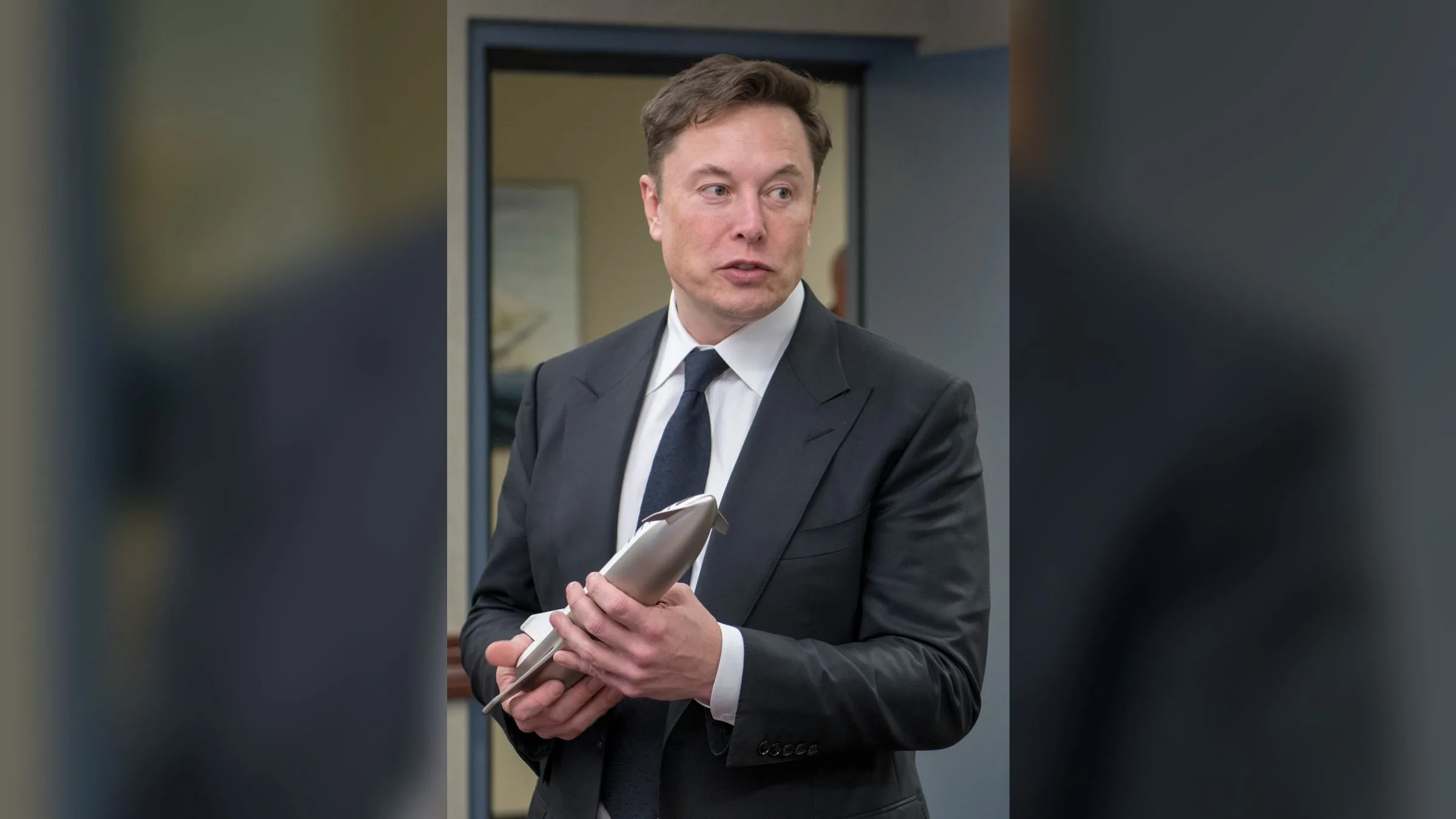
Elon Musk sees “a lot of merit” in combining Tesla and SpaceX, but the decision is not his to make, with two special committees he cannot join and a Tesla shareholder vote standing in the way, The Express Tribune reported, citing Reuters.
Musk, who calls himself a “conflicted party”, said the committees had yet to agree terms and that a merger was not certain, even though many analysts see a deal as inevitable and Wall Street expects one by the end of next year.
SpaceX shares rose 8.4 percent and Tesla gained 1.5 percent in premarket trading.
The case for a deal
- Shared projects: SpaceX and Tesla are jointly developing the Terafab chip plant
- AI spending: AI now makes up more than half of SpaceX’s revenue, with another $35 billion to $40 billion in spending likely in the fourth quarter
- Cash flow: analysts say heavy spending on AI and space infrastructure will weigh on SpaceX’s free cash flow, a strain a combined company could ease by sharing services and borrowing jointly
- Lower costs: a merger would avoid duplication and the time Musk spends moving between the two companies, and cut public-company overheads, legal costs and administrative burdens
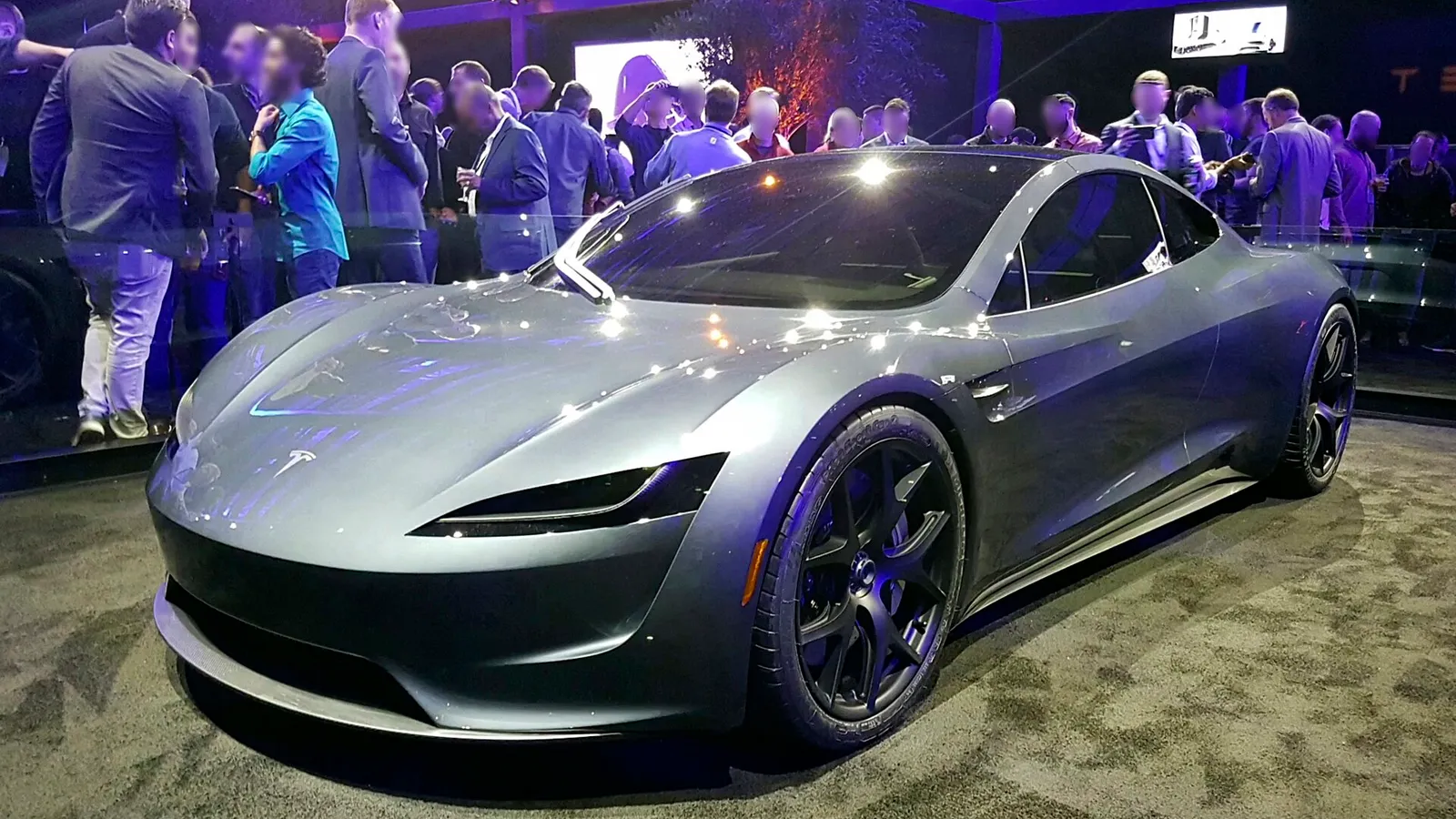
- The teaser: analysts pointed to last week’s Roadster unveiling, where a Tesla car built with SpaceX thrusters leapt over a truck, as a glimpse of what a combined company could produce
Control
Control may also appeal to Musk. He holds about 85 percent of SpaceX’s voting power through super-voting shares, but only about 20 percent at Tesla.
Bill Birmingham of REX Financial estimates a merger would give him about 57 percent of voting rights. Ryan Zurrer, founder of Dialectic, puts it at 58 percent at an exchange ratio of 0.7 SpaceX shares, the illustrative level Barclays has floated. No ratio has been negotiated.
The hurdles
“The biggest hurdle will be the Tesla shareholders vote vs Elon’s own incentives,” Zurrer said.
- The vote: Musk said a deal needs a majority of all Tesla shares, not just those voted, so every uncast ballot counts against it; analysts flagged turnout as a risk
- Governance: when Tesla bought SolarCity in 2016, a Delaware court cleared the deal after years of litigation but said an independent committee should have been formed. “A deal where one man runs both sides will draw tough questions on governance,” said Josh Gilbert of eToro
- The business case: Ipek Ozkardeskaya of Swissquote said if Tesla is better off pursuing AI partnerships with other companies, the deal “could be rejected by investors”
Tesla reports third-quarter results after markets close, and analysts are watching for any disclosure of merger talks before its December 3 annual shareholder meeting.
Why it matters
A merger would put Musk’s car and rocket businesses under one roof and give him far more control than he has at Tesla today. For investors, it is a bet on his vision of AI, cars and rockets as one company. Read our report on Tesla’s Roadster with SpaceX thrusters.
This article draws on reporting by The Express Tribune and Reuters.
Comments
Comments are reviewed by our editors before they appear. Please keep them civil and on topic. See our terms.
No comments yet. Be the first to share your view.