
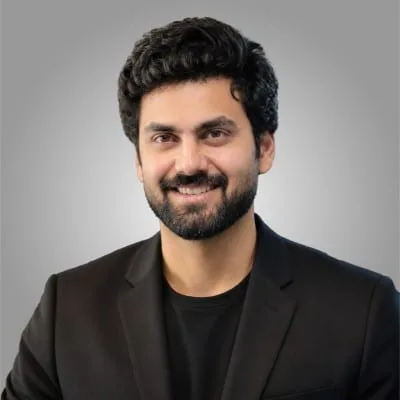
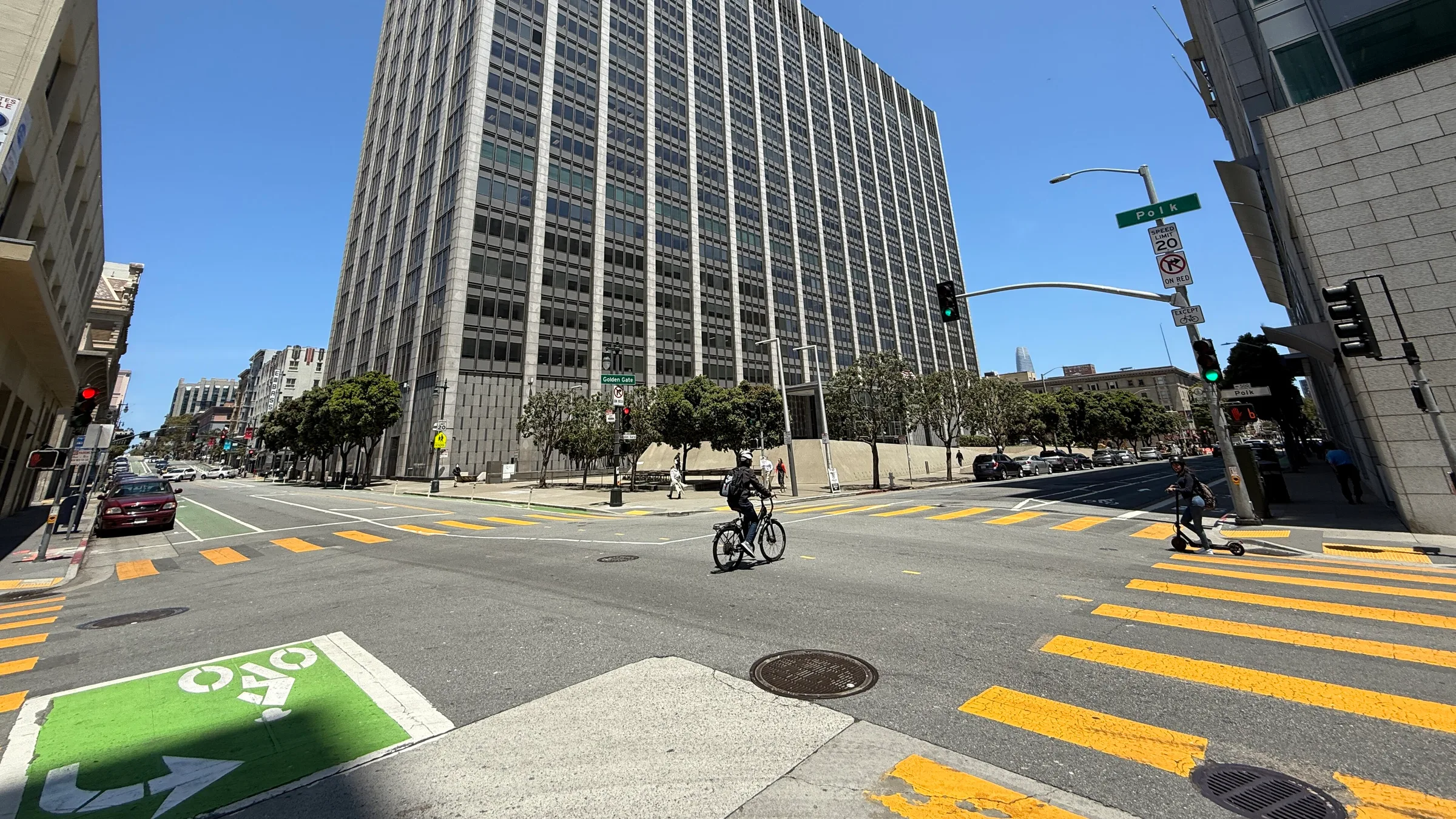
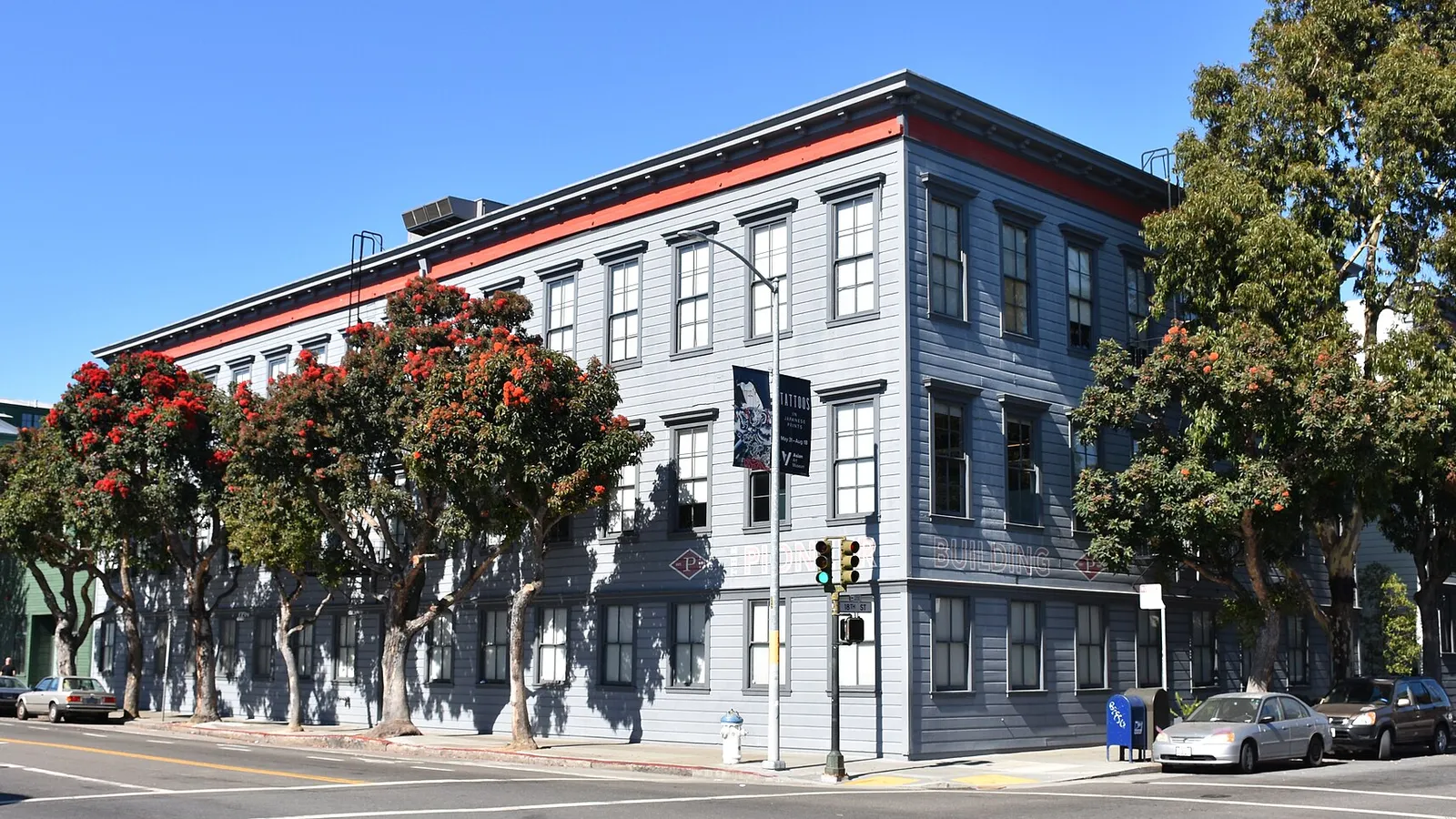
A former OpenAI employee accused of planting a recording device at the company’s San Francisco offices has been ordered held without bail after a federal judge ruled he was a flight risk.
US District Judge Alex Tse said there was a “significant” risk that Abdulrahman Alfozan, 35, would fail to appear in court, rejecting his lawyers’ request for release, The Express Tribune reported. Alfozan appeared in court dressed in orange prison clothing and did not speak during the hour-long hearing.
He was arrested on October 9 and faces up to five years in prison on charges of intercepting oral communications.
The Saudi link
In a filing on Sunday, the US Attorney’s Office said Alfozan, who had worked at OpenAI since 2025, maintained frequent contact with a member of the Saudi royal family.
- Recruitment: the unnamed royal tried several times to recruit him for an AI initiative in Saudi Arabia
- The message: “Saudi (Arabia) needs you more than [sic] the US,” the person wrote in one WhatsApp exchange, according to the filing; Alfozan replied “100”, a common way to signal agreement
- The ticket: before his arrest he bought a one-way ticket to Riyadh for October 12
- His family: his wife and baby left the US on October 10, the day after his arrest, on tickets paid for by a Saudi military official, prosecutors said
The United States and Saudi Arabia do not have an extradition treaty.
The complaint does not allege spying, but US Director of National Intelligence Jay Clayton suggested last week that the case had national security implications. “The government’s investigation is ongoing and may result in additional serious charges,” the new filing said, calling the matter “a concern for the national security of the United States”.
“Whether the defendant wanted to record OpenAI meetings to enrich himself by enhancing his own business prospects, or to provide aid (to) a foreign government, or both, his conduct is criminal,” it said.
The defence
Alfozan’s lawyer, William Pernik, disputed that he would flee, saying his client had a US naturalisation interview scheduled for November 6. His lawyers said he was working towards citizenship and was willing to put up $1 million in assets for bail.
Prosecutors argued it could be even more lucrative for him to return to Saudi Arabia. “Once he leaves, there’s no getting him back, the case goes away, and that is why this is a bigger case,” the judge said in court.
The recorder behind the TV
Security footage showed Alfozan inside a restricted conference room, appearing to look behind the television where a USB recording device wrapped in toilet paper had been placed, the Justice Department said last week.
The case comes amid a fierce global race in artificial intelligence. Saudi Arabia’s state-backed AI firm Humain invested $3 billion in Elon Musk’s xAI before SpaceX acquired the AI business in February; the division, now called SpaceXAI, is working with Humain on a 500-megawatt data centre in Saudi Arabia.
In 2022, former Twitter worker Ahmad Abouammo was found guilty of spying for Saudi officials. Prosecutors in Alfozan’s case cited another former Twitter employee, Ali Alzabarah, who left the US before he could be charged.
Why it matters
As AI becomes a matter of national power, the secrets inside companies like OpenAI are treated as security assets. The case could set the tone for how the US polices foreign links in its AI industry. Read our report on Alfozan’s arrest.
This article draws on reporting by The Express Tribune.
Comments
Comments are reviewed by our editors before they appear. Please keep them civil and on topic. See our terms.
No comments yet. Be the first to share your view.