

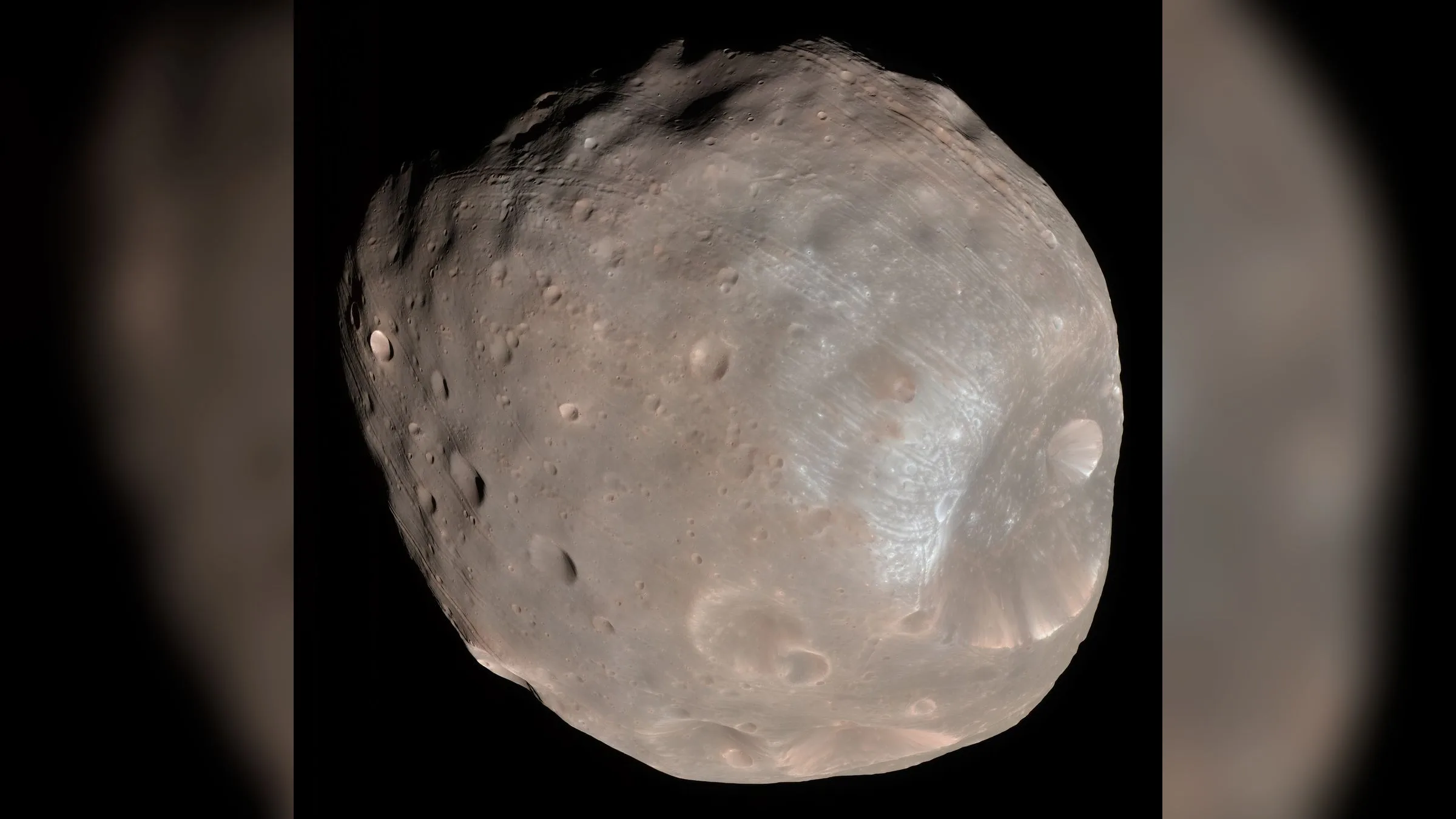
Japan launched a spacecraft on Tuesday on the world’s first mission to bring back rock and sand from a moon of Mars, a step scientists hope will help explain how the solar system and life on Earth began.
The Martian Moons eXploration (MMX) probe separated from its H3 rocket and entered its planned orbit, the Japan Aerospace Exploration Agency (JAXA) said, according to Kyodo News, as reported by The Express Tribune. The rocket lifted off from the Tanegashima Space Center in southwestern Japan at 4:41am local time (12:41am Pakistan time).
JAXA project manager Makoto Arita said the spacecraft had reached its orbit with “exceptional precision”. The agency later said it had received signals confirming the probe was operating normally.
“I’d dreamt of this day, so I’m incredibly happy,” said JAXA scientist Mari Aida, Dawn reported, citing AFP.
The mission timeline
- August 2027: the 4,480-kilogram spacecraft enters orbit around Mars
- On Phobos: a French-German rover named IDEFIX, after the dog of comic hero Asterix, will be the first vehicle to travel across Phobos, studying the surface to ensure a safe landing; the Japanese spacecraft will then make two landings to collect at least 10 grams of material
- Deimos: the probe will also observe Mars’s second moon, though it will not land there
- November 2030: it leaves Martian orbit
- July 2031: the samples are due back on Earth
The launch was first planned for 2024 but was delayed after the H3 rocket’s maiden flight failed in 2023. Prime Minister Sanae Takaichi welcomed the launch, expressing hope that the historic mission would succeed.
How were Mars’s moons born?
JAXA hopes the samples will show how Mars and its two moons formed, a key piece of the puzzle of how the solar system was born. There are two main theories:
- The giant impact hypothesis: the moons formed after a celestial body crashed into Mars
- The capture hypothesis: the moons are asteroids pulled in by Mars’s gravity
Finding out which is right will help reveal “how a habitable environment for life might have arisen on the terrestrial planets”, JAXA said. The mission will also test the idea of using Phobos as a “natural space station” for future crewed trips to Mars.
The mission is a collaboration with US and European space agencies, as well as universities and technology companies.
“The samples from MMX will bring forth paradigm-shifting science on the Mars system for generations to come, especially as Nasa prepares to send the first humans to Mars,” said Nicky Fox, head of Nasa’s Science Mission Directorate.
The race for Mars samples
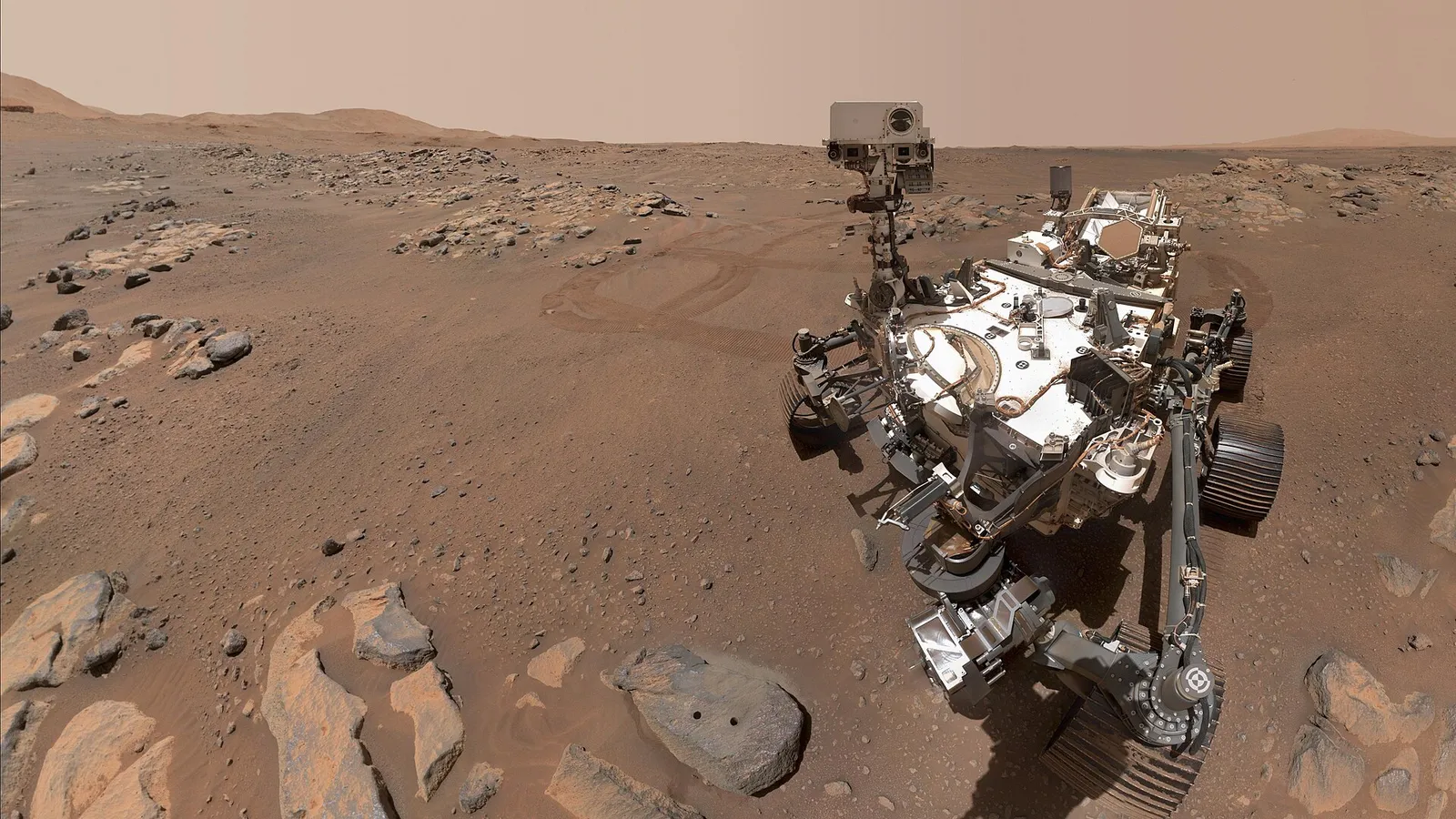
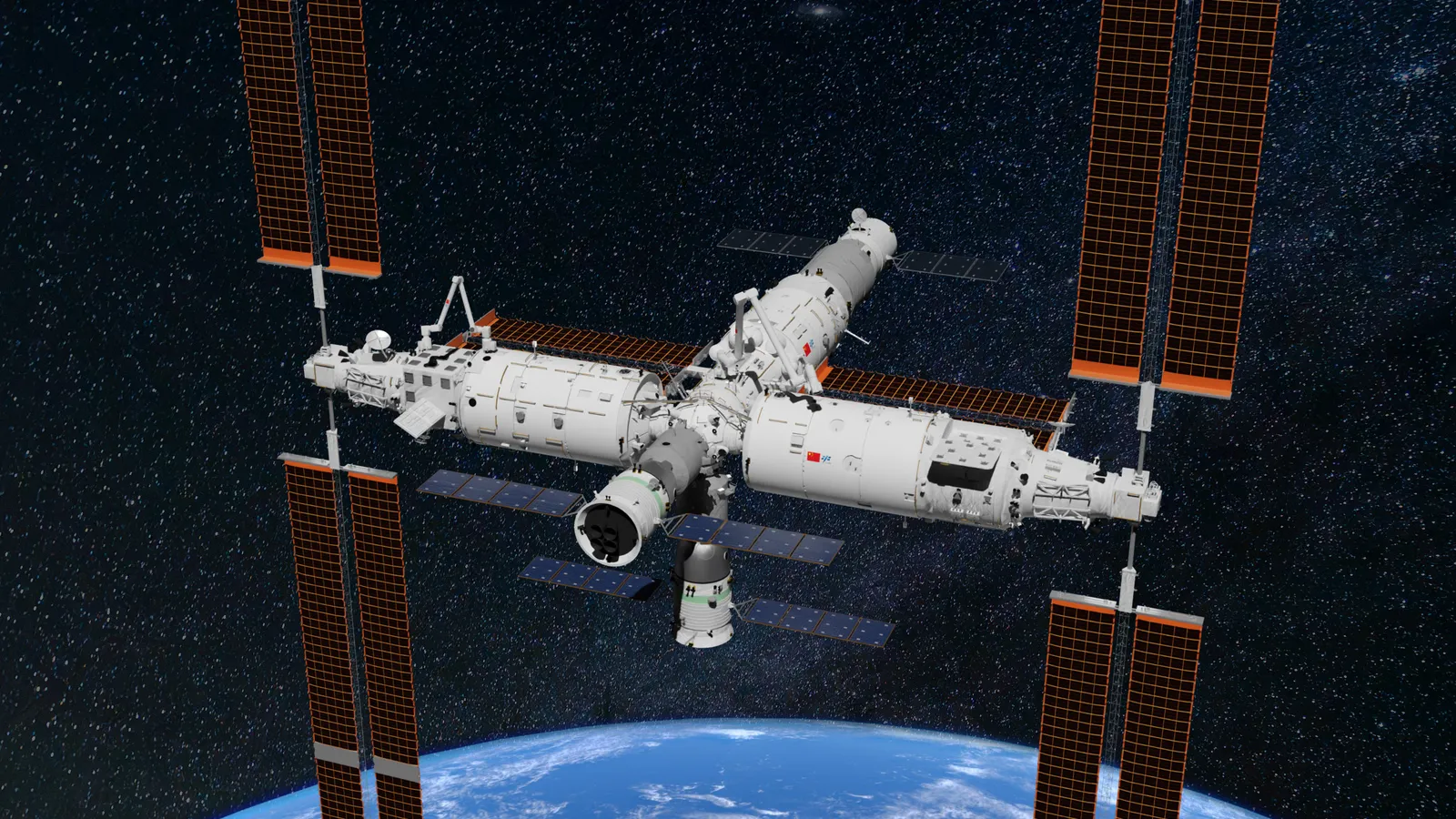
The US and China are also competing to bring back samples from the surface of Mars itself. Nasa’s Perseverance rover has collected samples since 2021, but the mission to return them was effectively cancelled by the Trump administration after a vote in Congress in January. China’s Tianwen-3 is due to launch around 2028 and hopes to return Mars samples as early as 2031, possibly before Japan.
Why it matters
If it succeeds, MMX will be the first round trip to the Martian system, and could lay the groundwork for eventual human exploration of Mars. Read our report on Perseverance’s Mars driving record.
This article draws on reporting by The Express Tribune, Dawn, Kyodo and AFP.


Comments
Comments are reviewed by our editors before they appear. Please keep them civil and on topic. See our terms.
No comments yet. Be the first to share your view.