


Brussels has formally accused TikTok of breaking the EU’s online rules, saying the way its “For You” feed keeps feeding users more of the same is a risk to their wellbeing. The European Commission, which polices large platforms in the bloc, announced the preliminary charges on Friday. If TikTok’s owner, ByteDance, does not fix the problem, it could be fined next year up to 6 per cent of its worldwide yearly turnover.
The commission’s case
The complaint is about how the product is built. Each time someone likes or lingers on a video, the commission said, the algorithm sends similar clips, and that pattern can be damaging when the content touches on sadness, loneliness or body image. Henna Virkkunen, the EU’s tech chief, described users being pulled into “rabbit holes” that are hard to leave.
Regulators say TikTok did not properly assess how its recommendation system affects people’s mental health, and did not take sufficient, proportionate steps to reduce the harm. They pointed to possible effects such as more anxiety, unhappiness with one’s body, lower self-esteem and worse eating disorders. They also said the feed carries on suggesting similar videos even after users signal that they are not interested. TikTok has made small changes, but the commission judged them too weak and wants bigger ones.
What Brussels wants changed
The commission wants TikTok to redesign the feed, give more weight to what users say they want, make its controls simpler to find and use, and test the algorithm on a regular basis. A senior EU official said plainly that the target is the engagement-driven business model and that TikTok has to change how it runs in Europe.
TikTok’s response
The company rejected the charges, saying the commission’s statements were “fundamentally inaccurate” and distorted how the platform works. It said it has a strong record of protecting its users and gives them direct control over what they see.
Part of a wider crackdown
This is not the first case. In February the commission charged TikTok over addictive features, weak child protection and obstacles for researchers seeking data; TikTok called those findings “categorically false”. The official said February’s case concerned things like notifications, while this one goes to the algorithm itself.
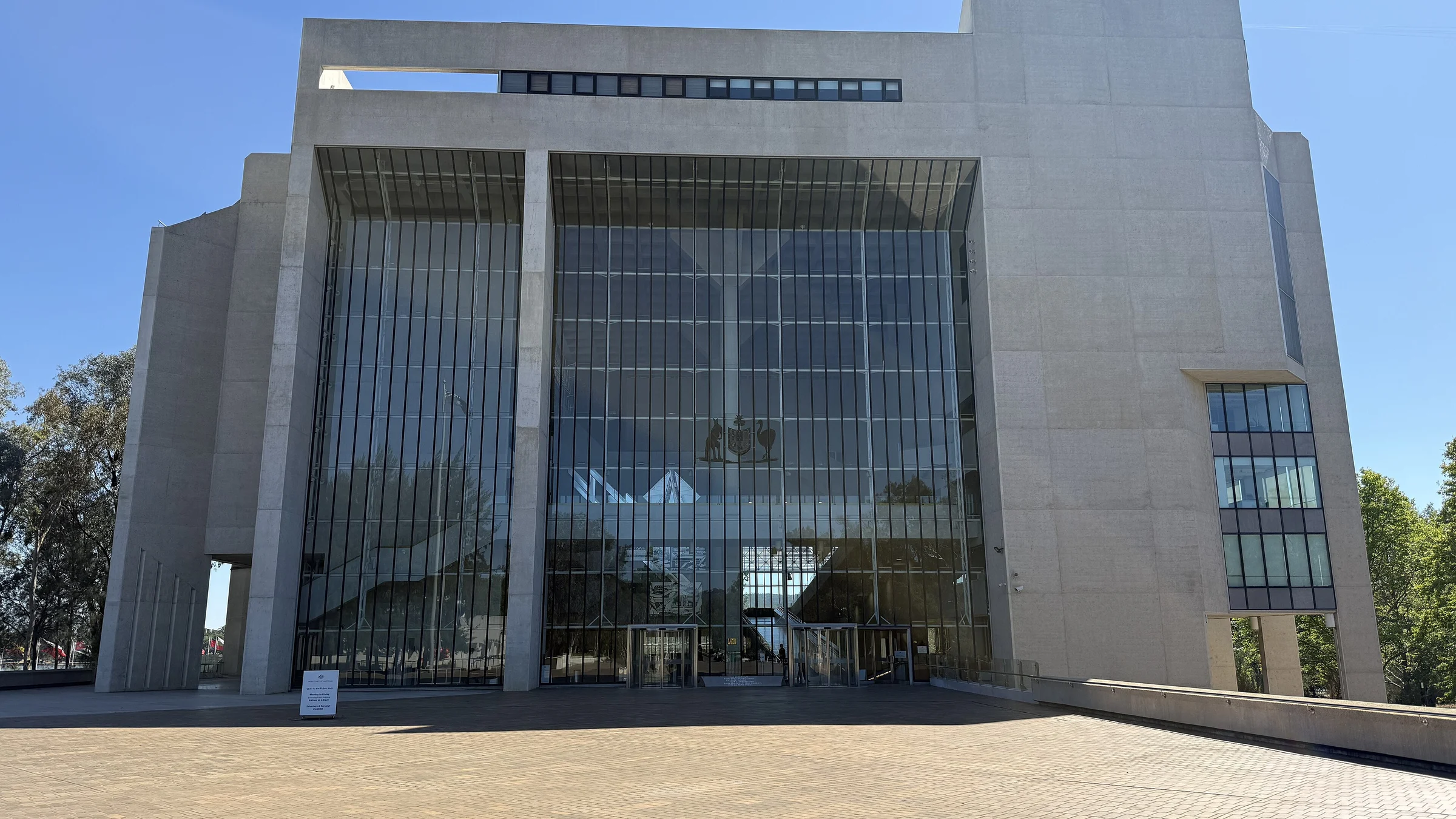
The commission is also examining similar “rabbit hole” effects on Facebook and Instagram and told Meta in July to alter their “addictive design” under the Digital Services Act. Brussels is working on rules that would make platforms safe before children can use them, as part of a plan to bar under-13s from social media and allow limited, supervised use up to age 15. In Australia, Reddit has challenged the under-16 ban in court, as we reported in our story on the High Court case. In the United States, TikTok settled with Alabama in September for at least $100 million and agreed to time limits and other restrictions for teenagers, which let it avoid a trial.
Why it matters
Until now, most rules about online harm have focused on removing particular posts. This case goes after the recommendation engine, the part that keeps people watching, which observers say is the reason TikTok is so popular. If the findings stand, a redesign for Europe could become a template that other regulators copy.
Users in Pakistan are not affected for now, since the charges concern TikTok’s service in the EU, but the same arguments about children, screen time and algorithms are being heard everywhere. The findings are preliminary and TikTok can reply. Watch for its response, for any fine next year, and for the commission’s decision on Meta’s apps.



Comments
Comments are reviewed by our editors before they appear. Please keep them civil and on topic. See our terms.
No comments yet. Be the first to share your view.