

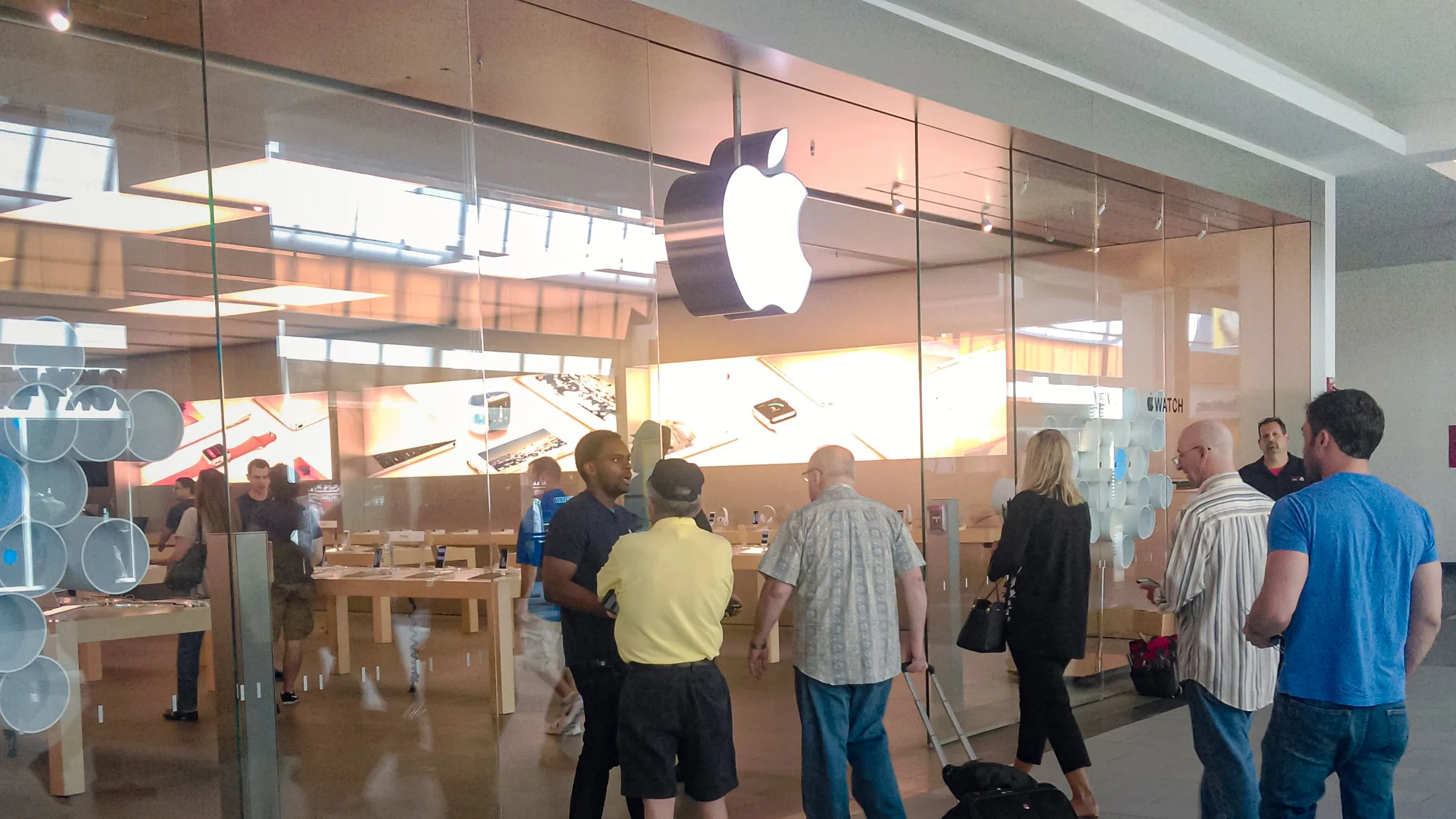
Sales of Apple’s first folding phone, the iPhone Duo, began on Friday, with market watchers betting on whether the device can reinvent the small foldables market in the way the first iPhone did for smartphones, Dawn and The Express Tribune reported, citing Reuters.
The launch is an early test for Apple’s new chief executive, John Ternus, the former hardware chief, who unveiled the phone barely a week after taking charge in September. It also matters for a niche category in which rivals such as Samsung Electronics and Huawei Technologies have sold premium models for several years.
Demand outruns supply
Within minutes of pre-orders opening last Friday, Apple’s estimated delivery dates for the Duo slipped to late January as demand outran supply. The company called the response from customers “nothing short of extraordinary”. Apple capped pre-orders at two handsets per customer and sharply limited sales to walk-in shoppers, which meant smaller crowds than the hype that normally greets a new iPhone.
Apple told Reuters that walk-in availability would vary by country, with limited stock in the United States, Australia, Canada, Mexico and much of Britain and Europe. In China, France, Hong Kong, India and Japan, units are available only to customers who ordered online.
Sydney was the first Apple store to sell the phone, with a queue forming before the 8am local opening, which is 2am Pakistan time. Among the buyers:
- Sydney: Simon Krishnan, a 48-year-old engineer, paid A$3,899 (about $2,734) for a 512GB Duo. “This is a bit of a luxury item for me, because it’s so expensive, but I just think, you know what? Life’s too short,” he said.
- Shanghai: Liu Wei, a 26-year-old health-care professional who already owns a Xiaomi foldable, queued from 6am. “I’ve used Apple products for many years and I have more trust in the brand,” he said.
- Hong Kong: a buyer who gave only his first name, May, secured a 256GB Duo, priced at HK$17,499 (about $2,232), in an online pre-sale and planned to resell it for roughly HK$4,000 more.
A mixed verdict from reviewers
Early reviews praised the design and the sturdy, barely visible hinge, a notable achievement for a category long troubled by a creased screen. But they also pointed to compromises: no telephoto lens in the camera, and third-party apps that still need reworking for the new display size.
Reviewers also said the Duo, in its smaller folded state, is less handy for the many quick tasks people do each day on a standard iPhone, and several prominent ones advised many Apple customers against buying it. The Apple commentator John Gruber wrote that using it for a week “feels like I’ve gotten to use an extraordinarily polished prototype, not a finished product that I’d want to buy and carry”. The tech reviewer Marques Brownlee said it is probably a no for a regular user who mostly texts and browses, but “a really fun phone” for those for whom the $2,000 price does not matter and who can get used to having no facial identification.
What analysts expect
In China, a soft consumer market and memory costs that push prices up have led to six straight quarters of falling smartphone shipments. Apple’s market share has nevertheless recovered as some buyers trade up to premium devices.
Francisco Jeronimo, a vice president at the research firm IDC, said Apple’s entry could bring the foldable format to a much broader audience, since adoption of foldables has stayed limited. IDC expects Apple to take 44 per cent of the foldable market’s value in 2026 on 31 per cent of units, and to become the category leader in both value and units in 2027. After a week with the passport-shaped phone, Jeronimo said Apple “has made a convincing case for this form factor”, but added that the next test is “turning excitement into availability, adoption and a lasting new chapter for the smartphone market”.
Why it matters
A folding iPhone from the world’s most profitable phone maker could change how many buyers see foldables, which have so far stayed a premium niche. The tight supply, the January delivery dates and the cautious reviews mean the real verdict will come when more people can buy it and use it every day. Reviewers’ warnings that the phone is still more polished prototype than everyday tool will weigh on early buyers. More of our coverage is in our technology section.
This article draws on reporting by Dawn, The Express Tribune and Reuters.


Comments
Comments are reviewed by our editors before they appear. Please keep them civil and on topic. See our terms.
No comments yet. Be the first to share your view.