
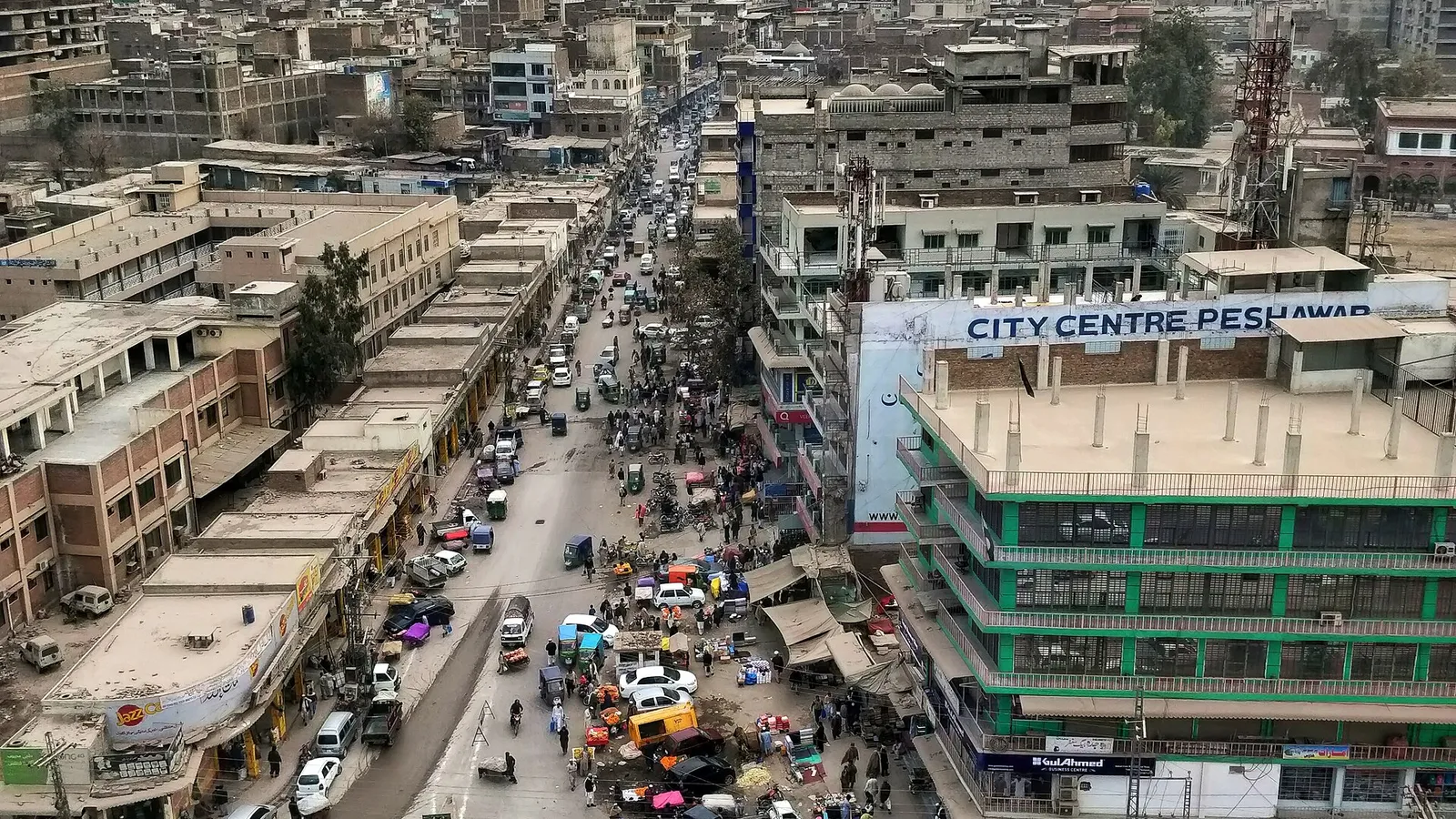
Hundreds of Pakistani teachers who taught Afghan children in refugee camps for decades protested in Peshawar on Tuesday against what they called “abrupt” layoffs by the United Nations High Commissioner for Refugees (UNHCR), Dawn reported.
Who was laid off
The protesters say 291 teachers, 100 men and 191 women, who have worked in schools run under the UNHCR’s auspices for 35 to 40 years, were dismissed on October 31 without prior notice or any financial relief. They come from Peshawar, Mardan, Timergara, Nowshera, Swabi, Haripur, Kohat, Dera Ismail Khan, Bannu, Lakki Marwat, Hangu, Tall, Chakdara and Jalala Shergarh. They are demanding compensation and financial relief for their years of service.
These details come from the protesters and the report; UNHCR’s explanation for the dismissals and its figures are not in the reports we drew on.
“Sent home with one phone call”
The protest was led by Tufail Ahmed and Farhana Durrani, who heads the women teachers. Ahmed said the teachers had given nearly four decades of their lives to educating Afghan children in refugee camps and had been dismissed by “a single administrative decision”. “We served the institution for four decades, but were sent home at the stroke of a pen without any compensation or relief,” he said. Durrani said she had taught Afghan children for 35 years: “After 35 years of dedicated service, the UNHCR sent us home through a single phone call, without providing any financial relief.”
The teachers say they were already denied medical allowances, other financial benefits and gratuity during all those years. They also say they went repeatedly to the UNHCR office but no official would hear them or talk to them, and that the office closed its doors and posted police outside, with protesters warned of a possible baton charge. They appealed to Khyber Pakhtunkhwa Governor Faisal Karim Kundi to step in and win relief for the teachers and their families. Many young and elderly women teachers joined the sit-in.
Background
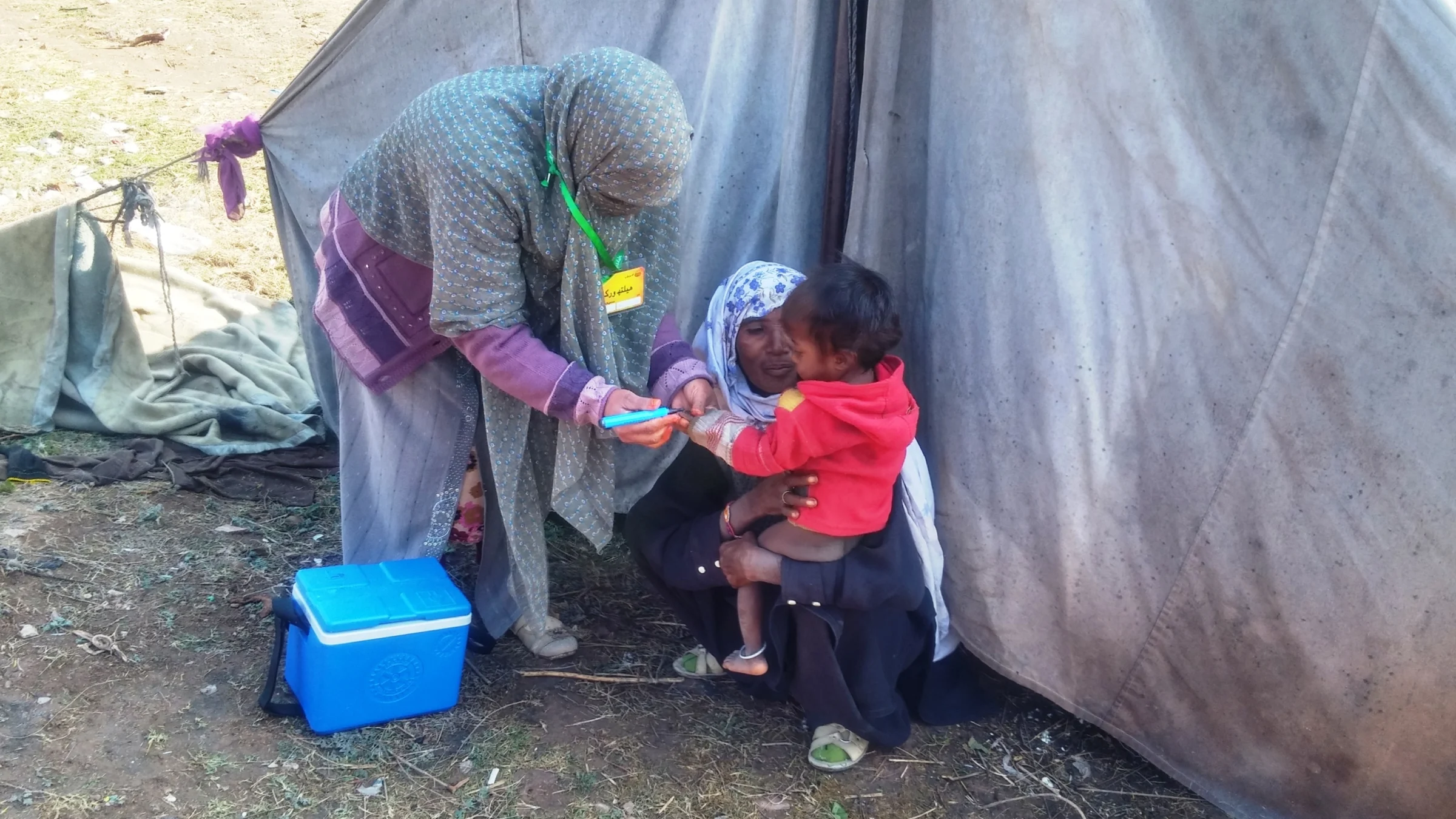
Pakistan has hosted Afghan refugees for decades, and the camp schools were set up to teach their children. A Pakistani envoy told the United Nations last week that Pakistan has hosted millions of Afghan refugees over several decades, “often in the absence of adequate international support”, and that the international community should share the responsibility; read our report on Pakistan’s statement at the UN General Assembly’s Third Committee. Dawn’s report does not say why the UNHCR ended the teachers’ jobs, whether the schools are closing, or what will happen to the children who study in them.
Why it matters
The dispute is about pay and process for Pakistani citizens employed by a UN agency: whether decades of service, without gratuity or pension, entitle people to compensation when a programme ends. It also raises a question for Afghan children in the camps, who would lose their teachers if the schools run short of staff. The teachers want a hearing from the UNHCR and help from the provincial government. What to watch is whether UNHCR responds publicly, whether the governor or the provincial authorities take up the case, and what is said about the future of the schools.
This article draws on reporting by Dawn.
Comments
Comments are reviewed by our editors before they appear. Please keep them civil and on topic. See our terms.
No comments yet. Be the first to share your view.