
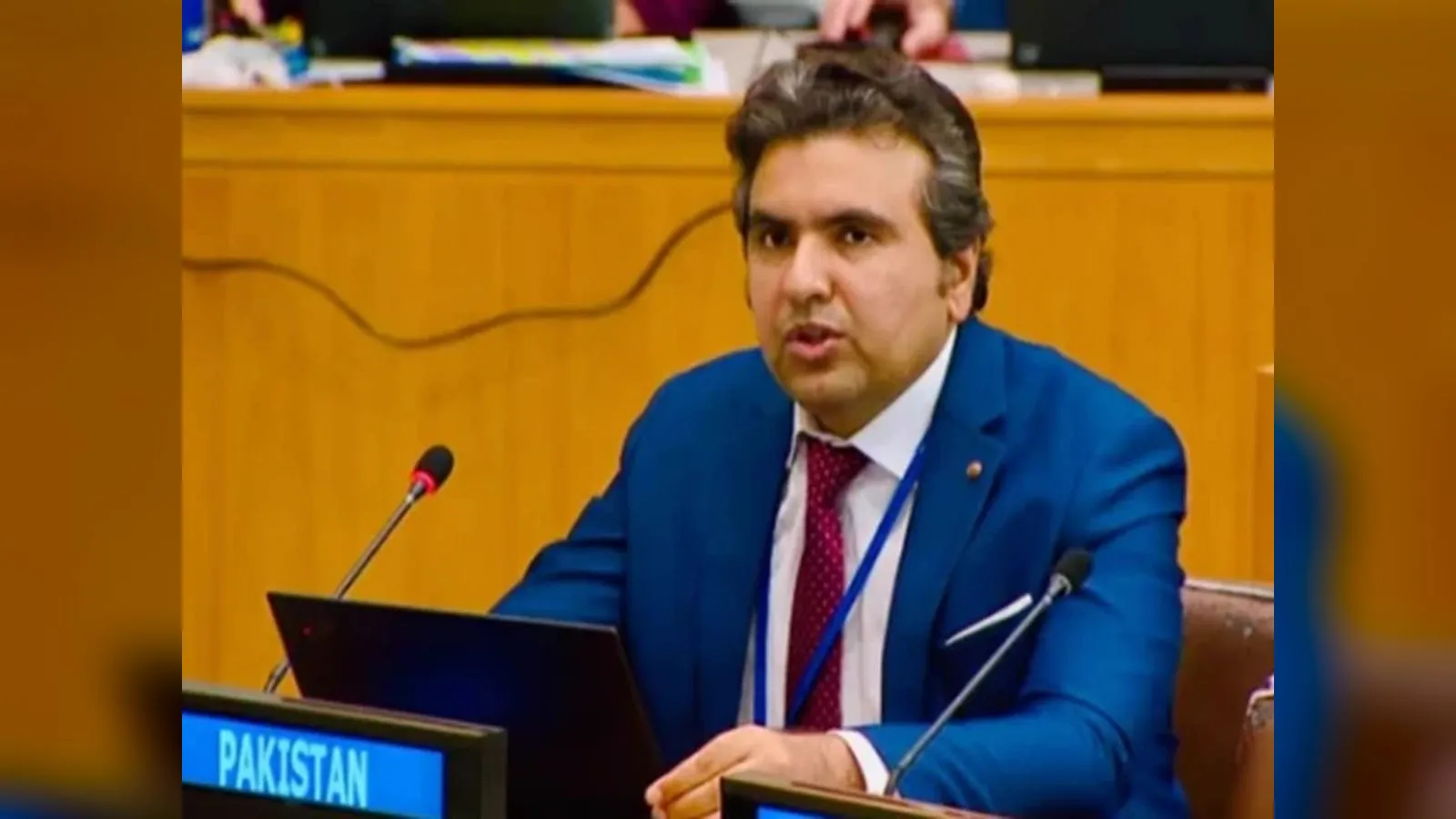
Pakistan has rejected India’s claim that Jammu and Kashmir is an internal matter, telling a United Nations General Assembly committee that the territory’s final status is unresolved and must be decided by the wishes of the Kashmiri people.
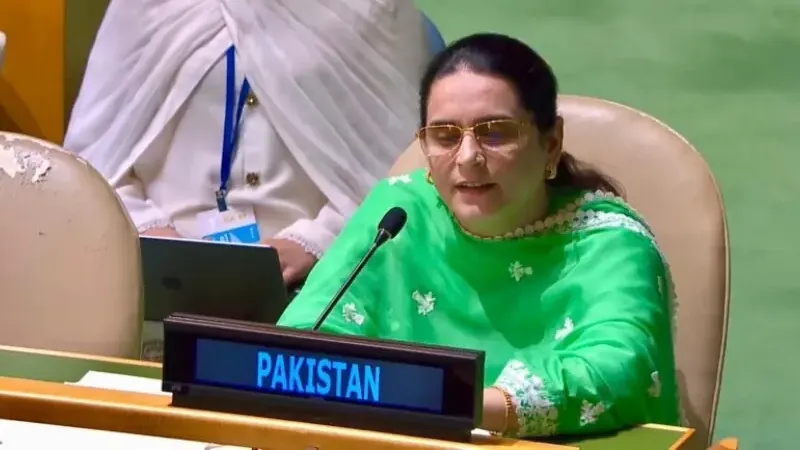
“Pakistan categorically rejects India’s futile attempts to dismiss the Jammu and Kashmir dispute as a so-called internal matter,” Pakistan’s First Secretary Sarfraz Ahmed Gohar said on Saturday during the general debate of the Third Committee of the 81st General Assembly, The Express Tribune reported.
“Internationally recognised dispute”
Gohar said Kashmir is an internationally recognised disputed territory whose final status is still to be decided in line with the wishes of its people and the relevant UN Security Council resolutions.
He said India had failed to meet its obligations under those resolutions, and urged New Delhi to move towards a peaceful settlement.
Minorities under pressure in India
Gohar also highlighted human rights violations and discrimination against religious minorities in India, including Muslims, Christians and Sikhs. He said religion-based violence, hate speech, discrimination and attacks on places of worship had become increasingly common under India’s Bharatiya Janata Party government.
He stressed that Pakistan remained committed to dialogue, diplomacy and the peaceful settlement of disputes under the UN Charter, which he said was essential for peace in South Asia.
Water at the Human Rights Council
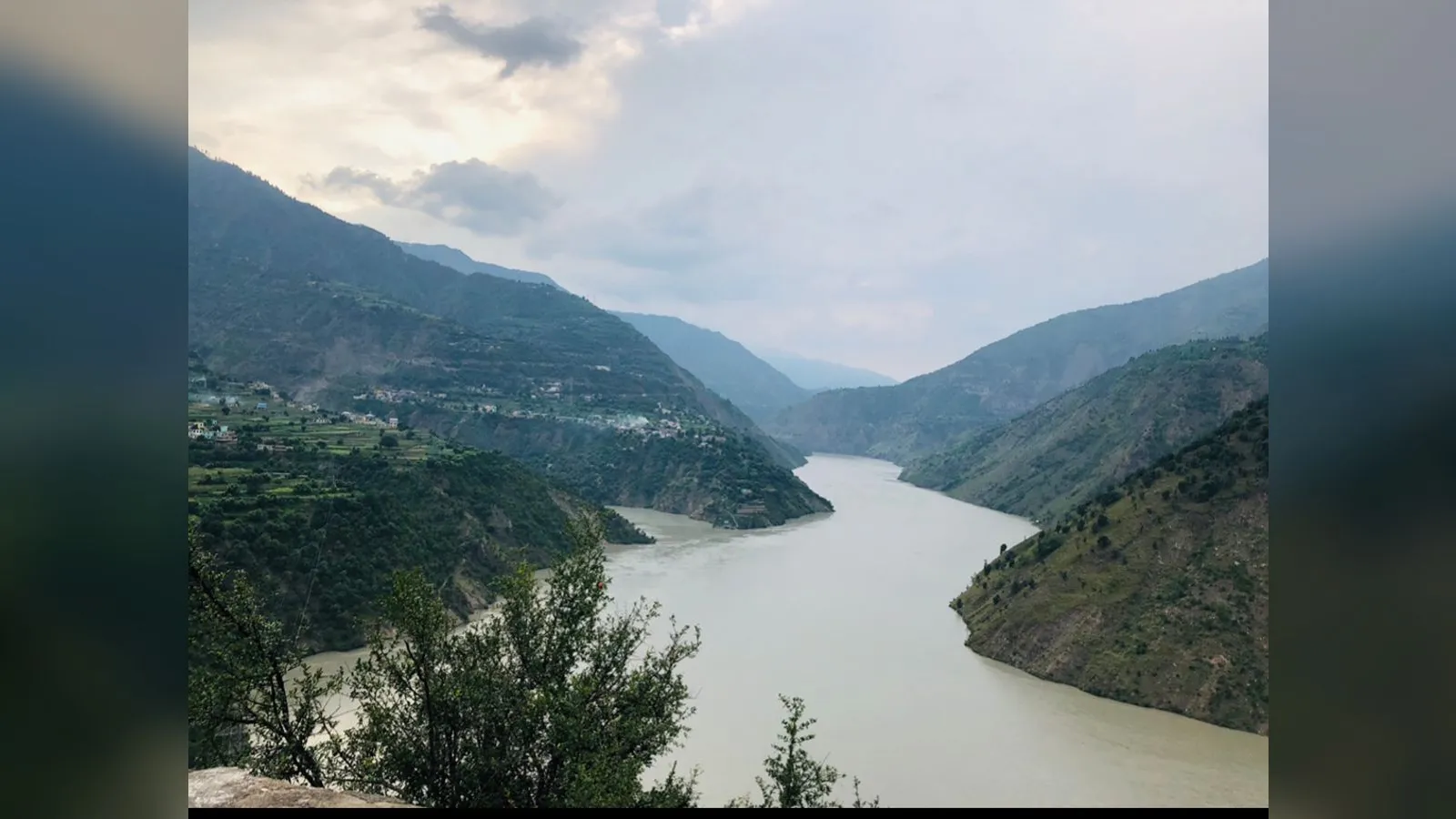
In Geneva, India’s decision to hold the Indus Waters Treaty in abeyance came under scrutiny at a side event on the margins of the 63rd session of the UN Human Rights Council on Friday, Dawn reported.
Speakers warned that the move threatened the water security, farming and livelihoods of millions of people who depend on the Indus Basin.
“Rivers are not experienced only by states,” said Rashida Abbas, a PhD candidate at the University of Geneva. “They are experienced by people.” She said agreements on shared rivers should not become optional when relations between states sour.
The discussion also raised concern about using shared water as a tool of political pressure. The Permanent Court of Arbitration has ruled that the treaty remains in force, a decision Pakistan says supports its position. India has rejected the arbitration process.
A week of diplomacy
The exchanges follow a busy week for Pakistan at the UN:
- Indus Waters: Deputy Prime Minister Ishaq Dar wrote to the UN Secretary-General asking the Security Council to press India over the treaty
- US policy: Washington assured Islamabad its position on Kashmir had not changed, after its ambassador to India called the region part of India
- Warning: Information Minister Attaullah Tarar said Pakistan would not let India weaponise water
Why it matters
India wants the world to treat Kashmir as closed. By raising it in every UN forum, alongside the water dispute and the treatment of minorities, Pakistan is keeping the issue on the international agenda, as the UN’s own resolutions require. Read our reports on the US assurance on Kashmir and on Tarar’s water warning.
This article draws on reporting by The Express Tribune and Dawn.
Comments
Comments are reviewed by our editors before they appear. Please keep them civil and on topic. See our terms.
No comments yet. Be the first to share your view.