
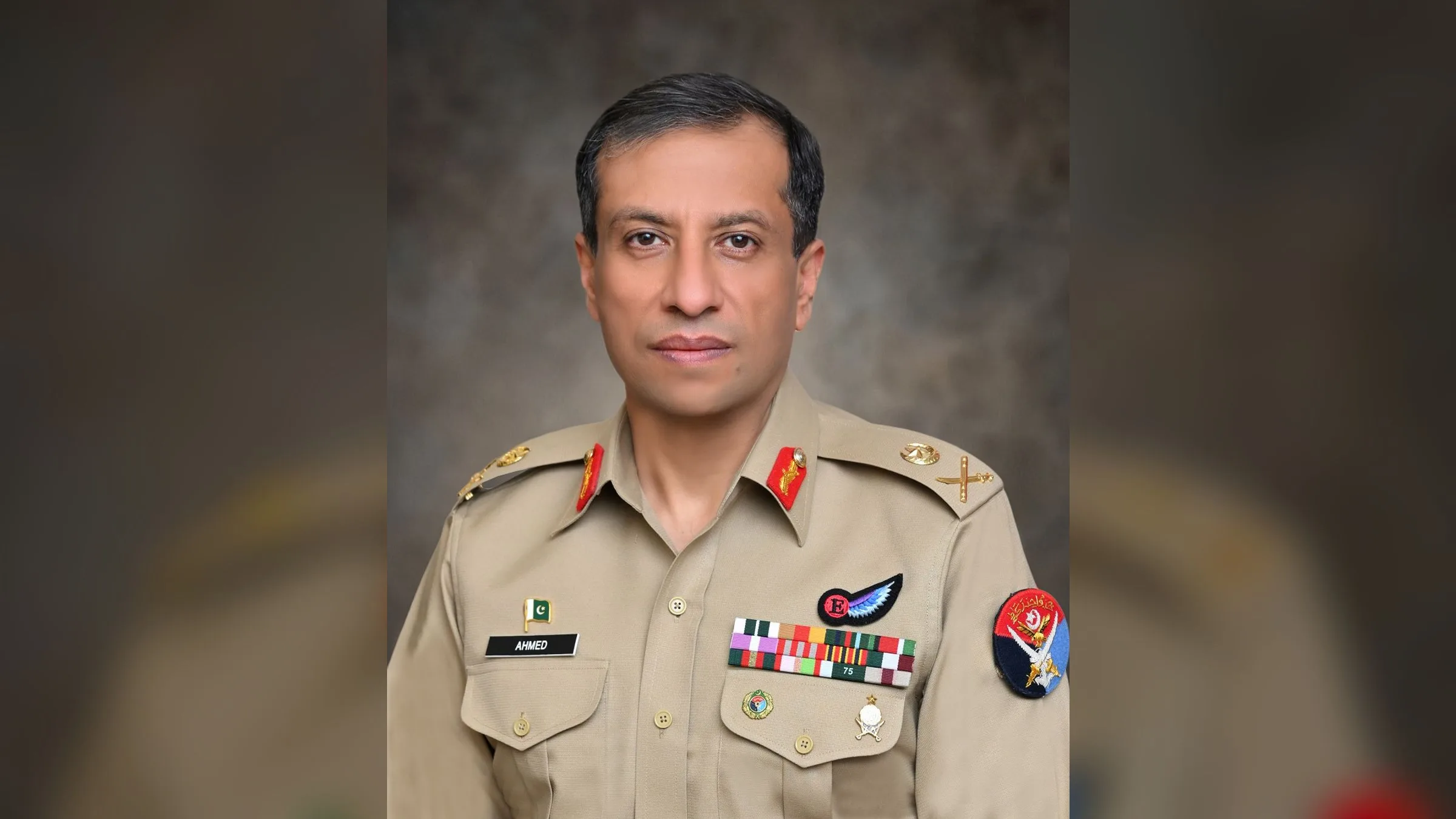
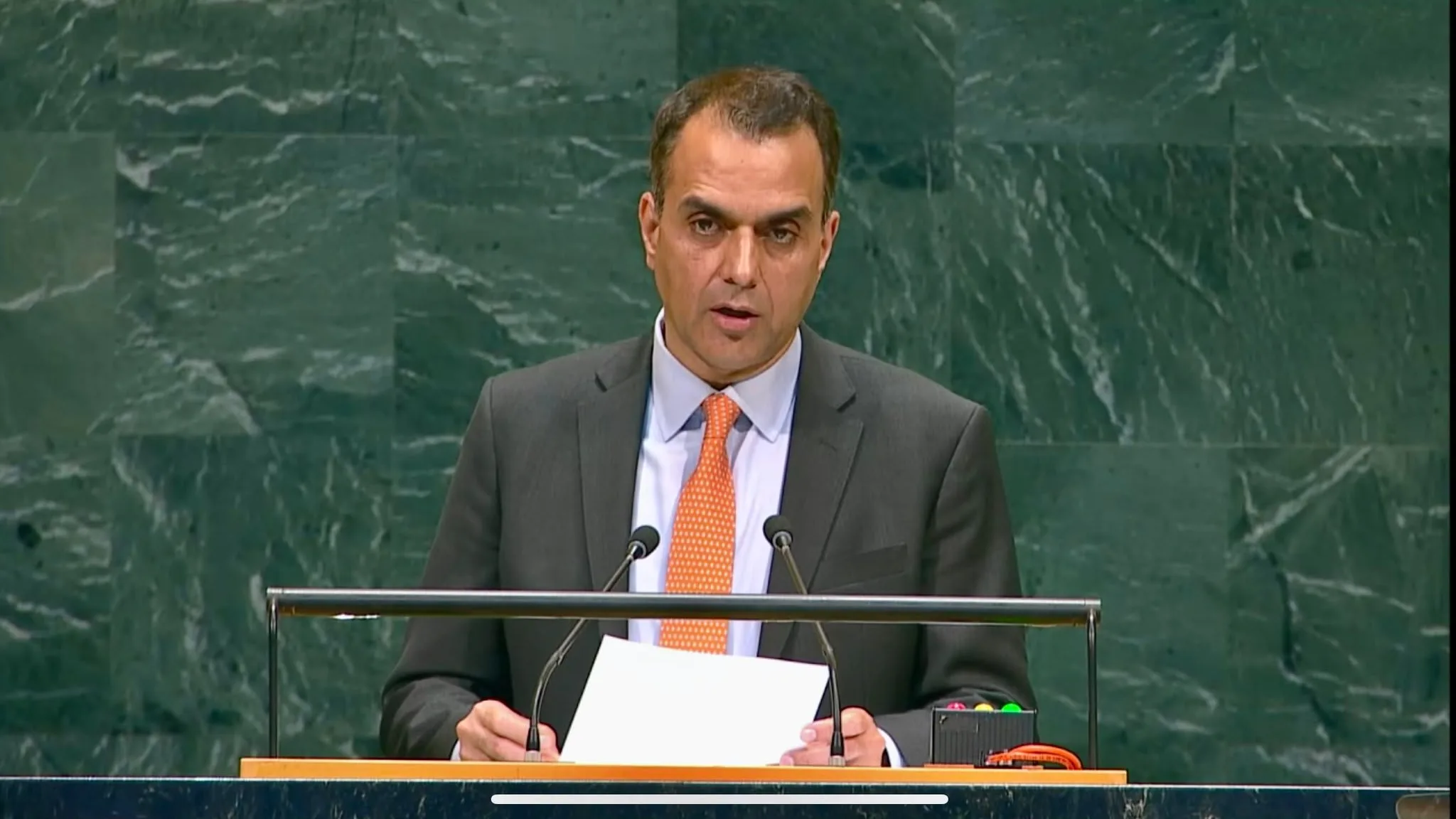
Pakistan is “much ahead” of both the Afghan Taliban and India in operational readiness, the Director General of Inter-Services Public Relations (ISPR), Lt Gen Ahmed Sharif Chaudhry, said in an interview with the Reuters news agency, according to remarks shared by state media on Sunday and reported by Dawn. The interview took place in Rawalpindi on Friday.
Drones and the changing nature of war
Asked whether Pakistan worried about the Afghan Taliban’s use of drones, which have spread in the Middle East conflicts, the DG ISPR replied: “It’s a narrow thing that I’ll be worried about the drones being used by Afghanistan.” He said the Taliban had no military capability of their own beyond what was “provided by the sponsors”.
He recalled that in the May 2025 conflict with India, Pakistan shot down dozens of sophisticated drones sent from across the eastern border. “So those drones, wherever they were, turned them into dust everywhere. That was about two years ago. So we are much ahead where we stand in our own operational readiness,” he said.
The army, he added, was adapting “in a very professional, well-thought-out way with the changing character of warfare”, in “non-contact or contact warfare”, cyber, drones and long-range missions. He said non-state actors such as the Taliban, the Khawarij and the Houthis pose a threat to everyone and that states “will have to reconsider and re-evaluate their security architecture”. The Pakistani government uses “Fitna al-Khawarij” for the banned Tehreek-i-Taliban Pakistan (TTP) and its affiliates. Asked whether Pakistan used artificial intelligence to identify targets in Afghanistan, he said he could not discuss specifics, but that AI, quantum, cyber and other technologies “can and should be used”.
“The prime contractor is India”
The DG ISPR rejected Afghan Taliban allegations that Pakistan was coordinating anti-Taliban groups: “That’s how you play the victim card.” He described Afghanistan as “still being run by a non-state actor. It’s a regime”, and said the Taliban front was “a proxy to multiple parties”. “In the case of Pakistan, the prime contractor is India,” he said. “And the proxies are TTP and the BLA.” He also listed ETIM, the IMU, Jaish al-Adl, al-Qaeda and ISKP, and said that this was also what UN reports and US and other intelligence assessments say. These are the DG ISPR’s own statements and the Pakistani military’s position; India has not been quoted in the report we drew on.
He questioned why anyone would take the words of “a non-state actor” so seriously, and recalled what he called false Taliban claims about capturing a Pakistani pilot and Pakistani tanks.
Engagement, not isolation
On whether isolating the Taliban could hurt Afghan farmers already hit by aid cuts, he said Pakistan did not support isolating Afghanistan. “Who is saying that the world and the region need to isolate Afghanistan? No,” he said, adding that the world should press the Taliban to “act like a state”. “What Afghanistan is producing right now, it has only two products: terrorism and drugs. Both are not good for the world and the region. So that requires engagement.” Pakistan’s request, he said, was simple: “We only ask you that don’t support terrorism inside Pakistan. Stop harbouring the terrorist leaders.”
Context
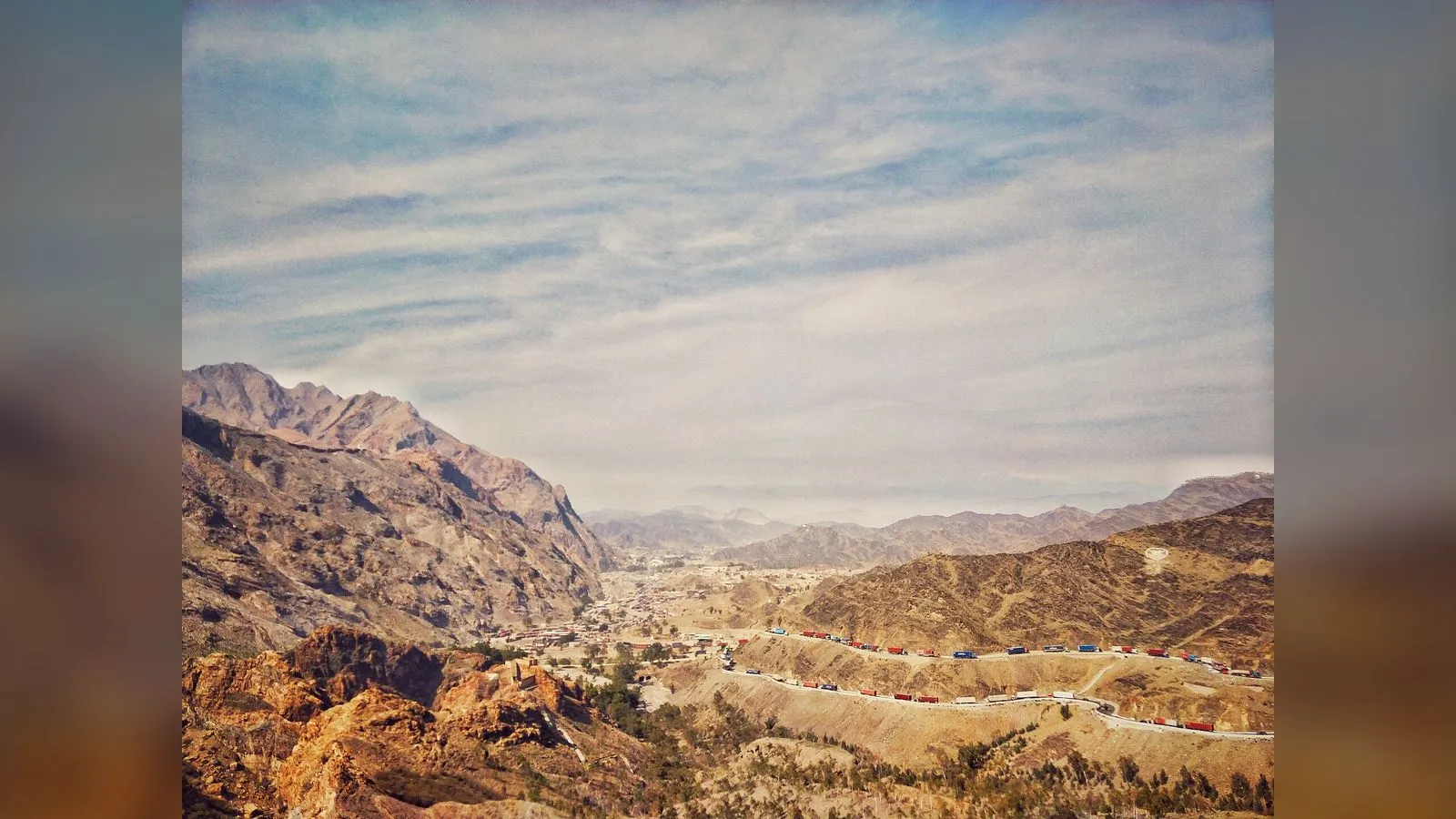
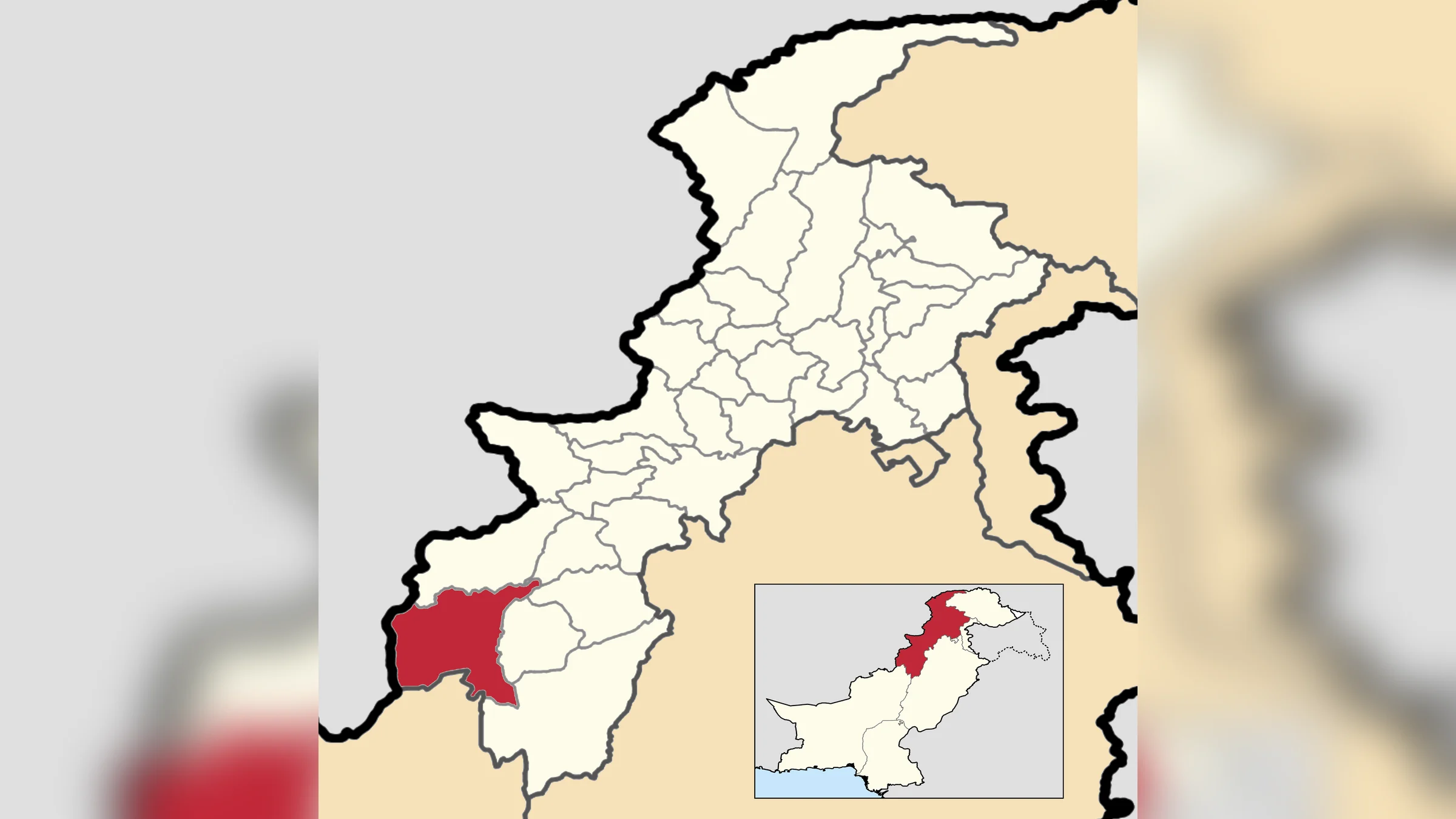
Islamabad has repeatedly urged Kabul to dismantle terrorist sanctuaries on Afghan soil, while the Taliban have avoided a firm position on the TTP and reject Pakistan’s account. Talks facilitated by Qatar and Turkiye last year and by China this year produced no breakthrough, and the Foreign Office has said talks cannot be unconditional. The interview came as the two sides traded fire again on the Lower South Waziristan border; see our report on Pakistan’s response to fresh Afghan firing.
Why it matters
A military spokesman’s decision to speak to an international news agency, and to speak in this tone, sets out the army’s public line at a time of border fighting: readiness, technology, and a demand that Kabul act on terrorism, while saying Pakistan does not seek an isolated Afghanistan. The reports we drew on carry no reply from the Taliban or India. What to watch for is how they respond, and whether any diplomatic channel opens on the border.
This article draws on reporting by Dawn and Reuters.
Comments
Comments are reviewed by our editors before they appear. Please keep them civil and on topic. See our terms.
No comments yet. Be the first to share your view.