

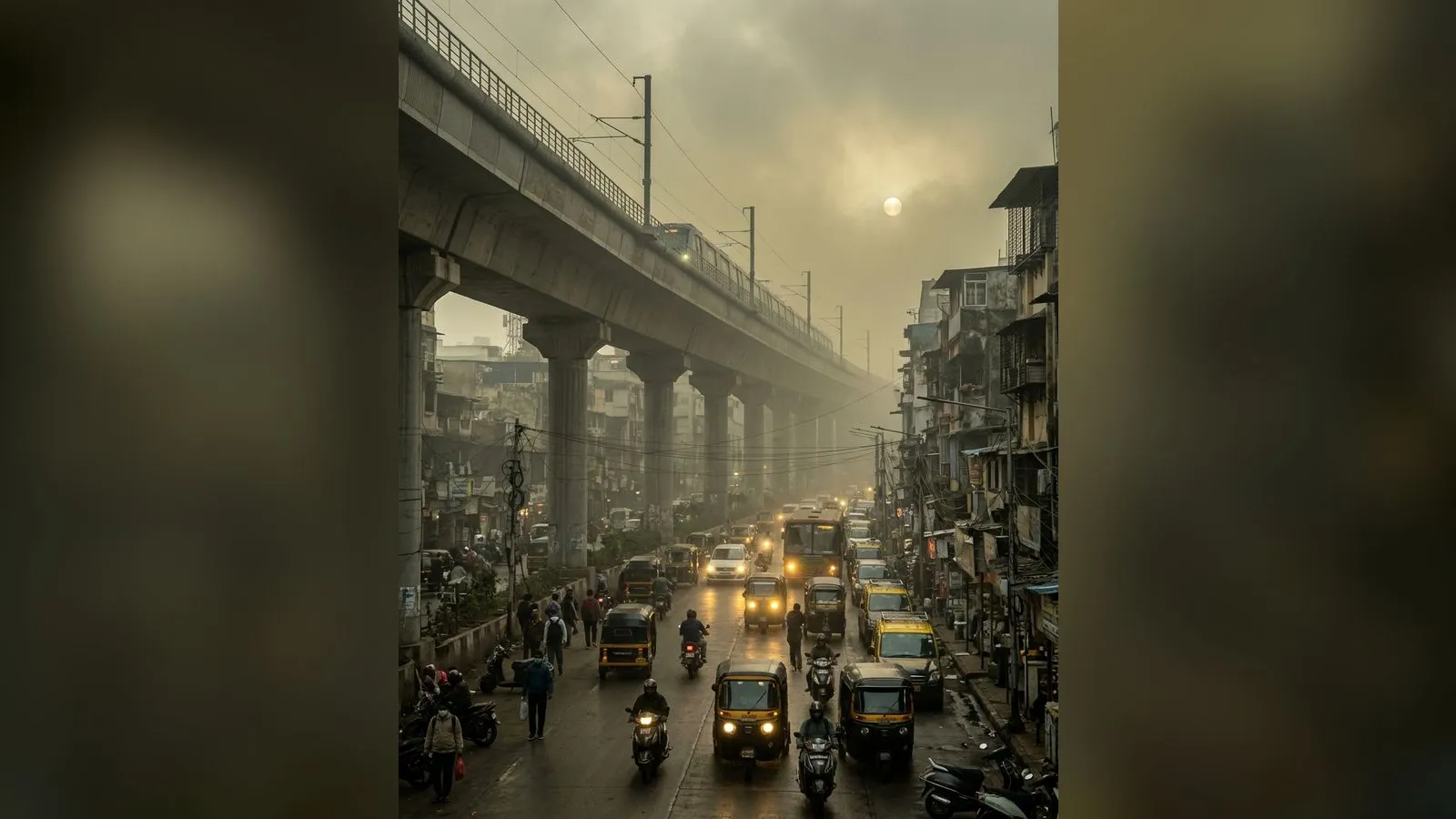
Lahore woke to the worst air of any major city in the world on Monday. According to IQAir, the Swiss air-quality platform, the Air Quality Index (AQI) in Lahore reached 590 between 9am and 10am, a level that is classed as hazardous. A separate historical reading on the same platform showed an hourly value of 647.
How far ahead of the rest
The next cities on the live ranking were nowhere near. Ulaanbaatar was at 177, Delhi at 174, Kolkata at 173 and Sarajevo at 170, which means Lahore’s air was more than three times as polluted as the second-placed city. Readings varied widely inside the city: IQAir stations recorded 1,033 in Allama Iqbal Town, 864 at the CERP office and 748 on Burki Road. Other Punjab cities also crossed into the hazardous range, with Raiwind at 688, Multan at 655 and Faisalabad at 600.
AQI figures from individual stations can swing sharply between hours and between devices, so the exact number matters less than the pattern: the air has been dangerous for days. Pollution tends to rise in the early morning and late at night, when cooler air traps smoke close to the ground, and many residents stay indoors.
Why the air turned worse
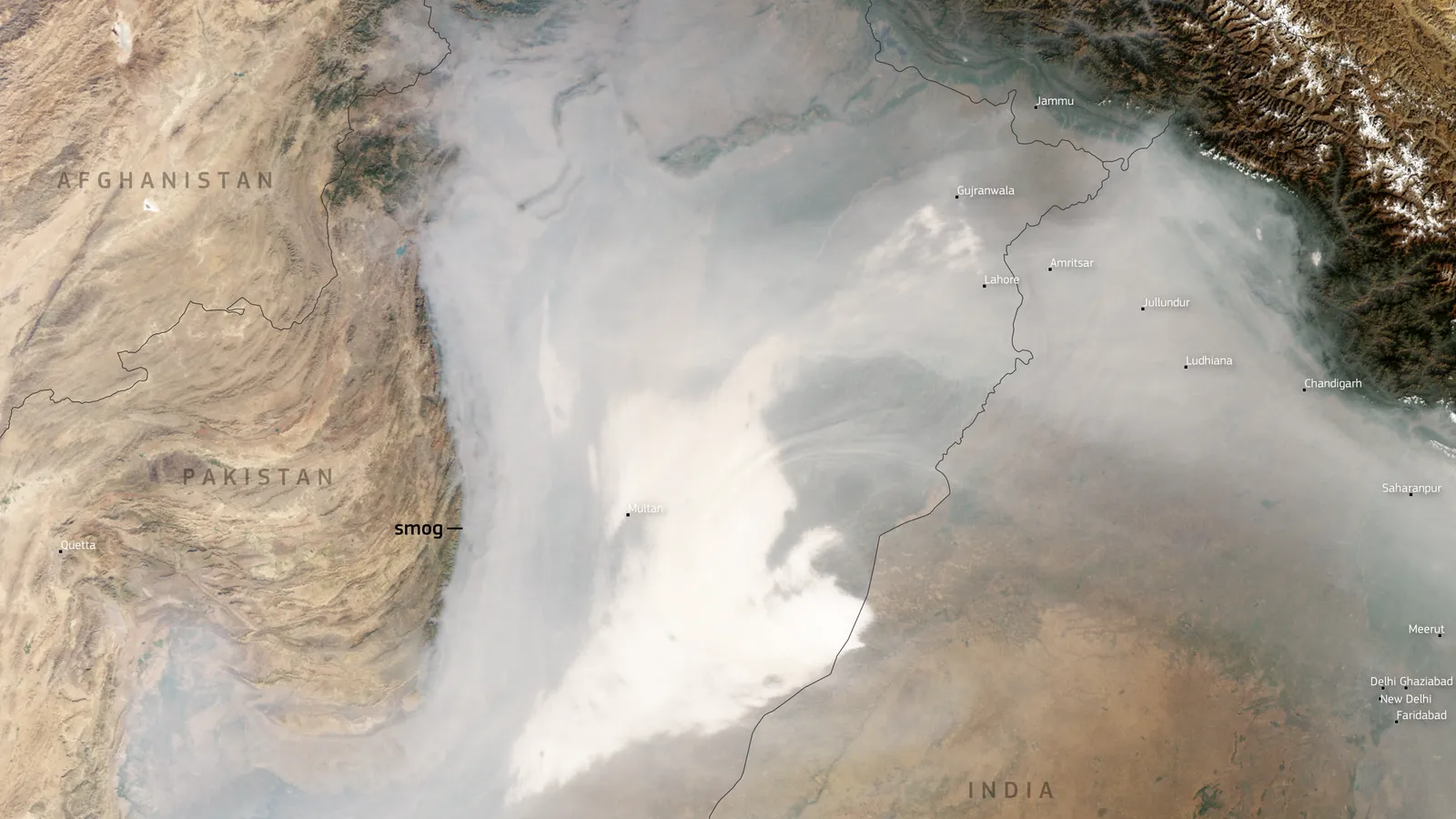
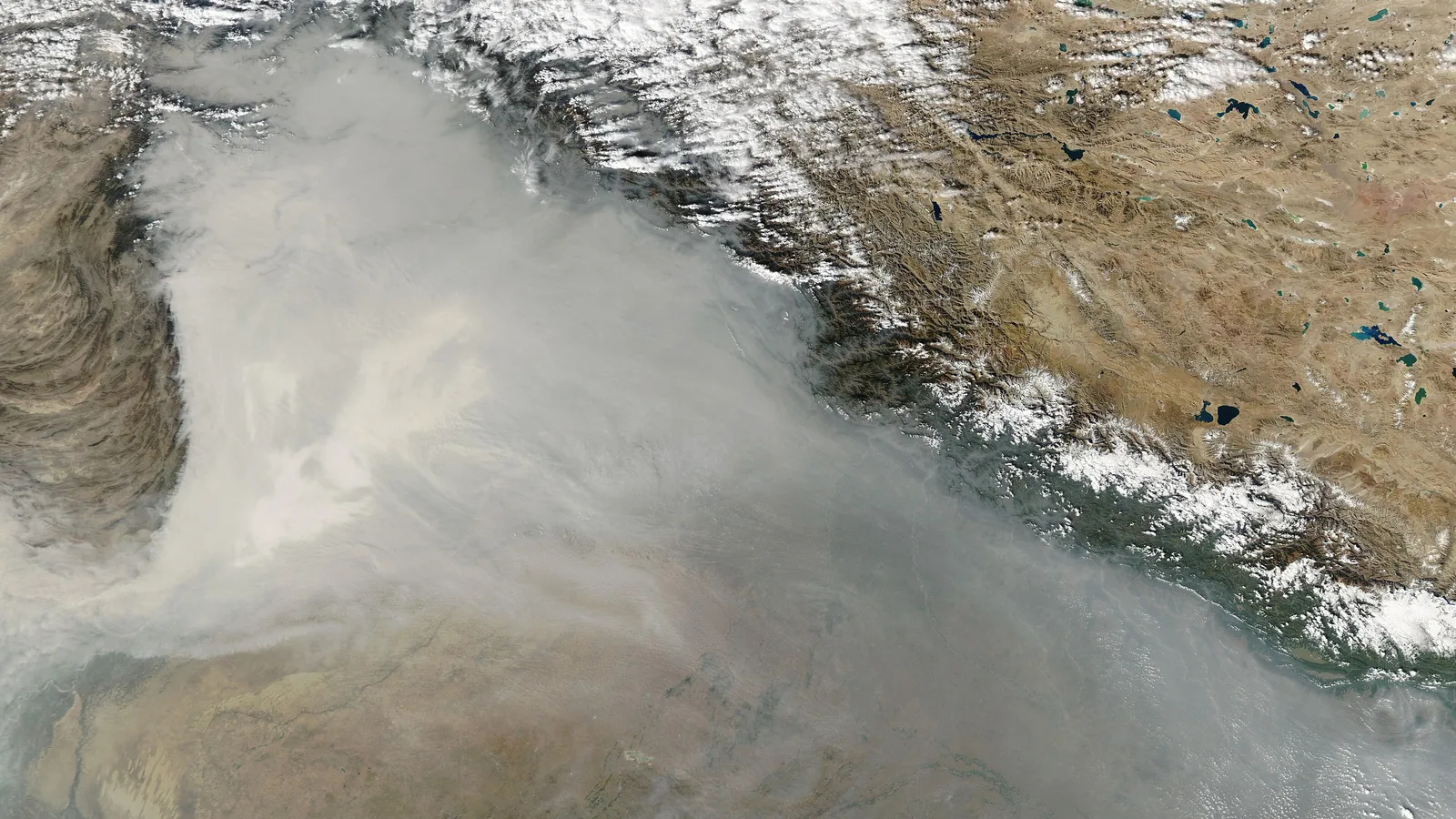
The Punjab government had warned a day earlier that three things could combine. Smoke from Diwali fireworks across the border in Indian Punjab, burning of crop residue, and easterly winds were expected to push polluted air towards Lahore and nearby districts. Its special report, dated November 8, said smoke from fireworks could reach Lahore within five to 13 hours, with the biggest impact on Lahore, Kasur and border areas on Monday morning. Amritsar, about 50 km away, was named as a possible source. Even before Diwali, Lahore’s night-time PM2.5 had reached 202 micrograms per cubic metre.
The report counted 2,347 crop-burning incidents in Indian Punjab up to November 4, of which 1,081 were in Tarn Taran, Ferozepur and Amritsar, the districts opposite Lahore and Kasur.
Whose fires?
Cross-border smoke is only part of the picture. An analysis by Hamari Hawa using NASA satellite data found 13,241 fire detections in Pakistani Punjab between October 1 and 29, compared with 3,158 in Indian Punjab, more than four times as many on the Pakistani side. Some 92 per cent of detections in Pakistani Punjab were on farmland. A second count, for October 15 to November 1, found 7,130 crop-related detections within 100 km of Lahore on both sides of the border, 781 of them within 40 km of the city centre.
| District (Oct 15 to Nov 1) | Fire detections |
|---|---|
| Sheikhupura | 322 |
| Tarn Taran (India) | 149 |
| Amritsar (India) | 106 |
| Nankana Sahib | 77 |
| Lahore | 62 |
| Kasur | 50 |
Satellite detections show fire activity, not individually checked cases of crop burning, so they are an indication rather than proof. The government itself says a measurement-based study is needed to know how much of Lahore’s smog comes from over the border and how much from Punjab’s own fields, traffic and industry. The Environment Protection Department is due to release comparative findings on November 10.
What the authorities say they are doing
The Environment Protection Agency (EPA) Punjab reported 679 agricultural fire incidents across the province, 650 of which it says were put out. It said it has deployed night squads, drones, tractor-mounted fire bowsers and quick-response units, and that its satellite-based Punjab Climate Watch Hub alerts district teams to fire locations. Its director general, Abdullah Nayyar Sheikh, has directed field offices to focus on stopping stubble burning and has made surprise inspections on motorways and GT Road. The agency says legal action is being taken against offenders.
Why it matters
Air pollution is a health emergency before it is a policy issue. Global health estimates put air pollution, indoors and outdoors, among the leading risk factors for death, with outdoor fine particles alone linked to millions of deaths a year. In a city of Lahore’s size, days of hazardous air mean more asthma attacks, more hospital visits and lost days of work and school, and the burden falls hardest on outdoor workers who cannot stay home.
We have followed the build-up for weeks, from the first hazardous ranking on October 23 to the rise in fire hotspots near Lahore. The pattern is the same each year, and the question is whether enforcement against crop burning in Pakistan itself is working.
What to watch
- The forecast of continued high pollution on November 9 and 10 and slight relief from November 11.
- The Environment Protection Department’s comparative findings on November 10, which could show how much comes from fireworks across the border and how much from within Punjab.
- Whether the authorities announce restrictions on outdoor activity if readings stay this high.
Comments
Comments are reviewed by our editors before they appear. Please keep them civil and on topic. See our terms.
No comments yet. Be the first to share your view.