

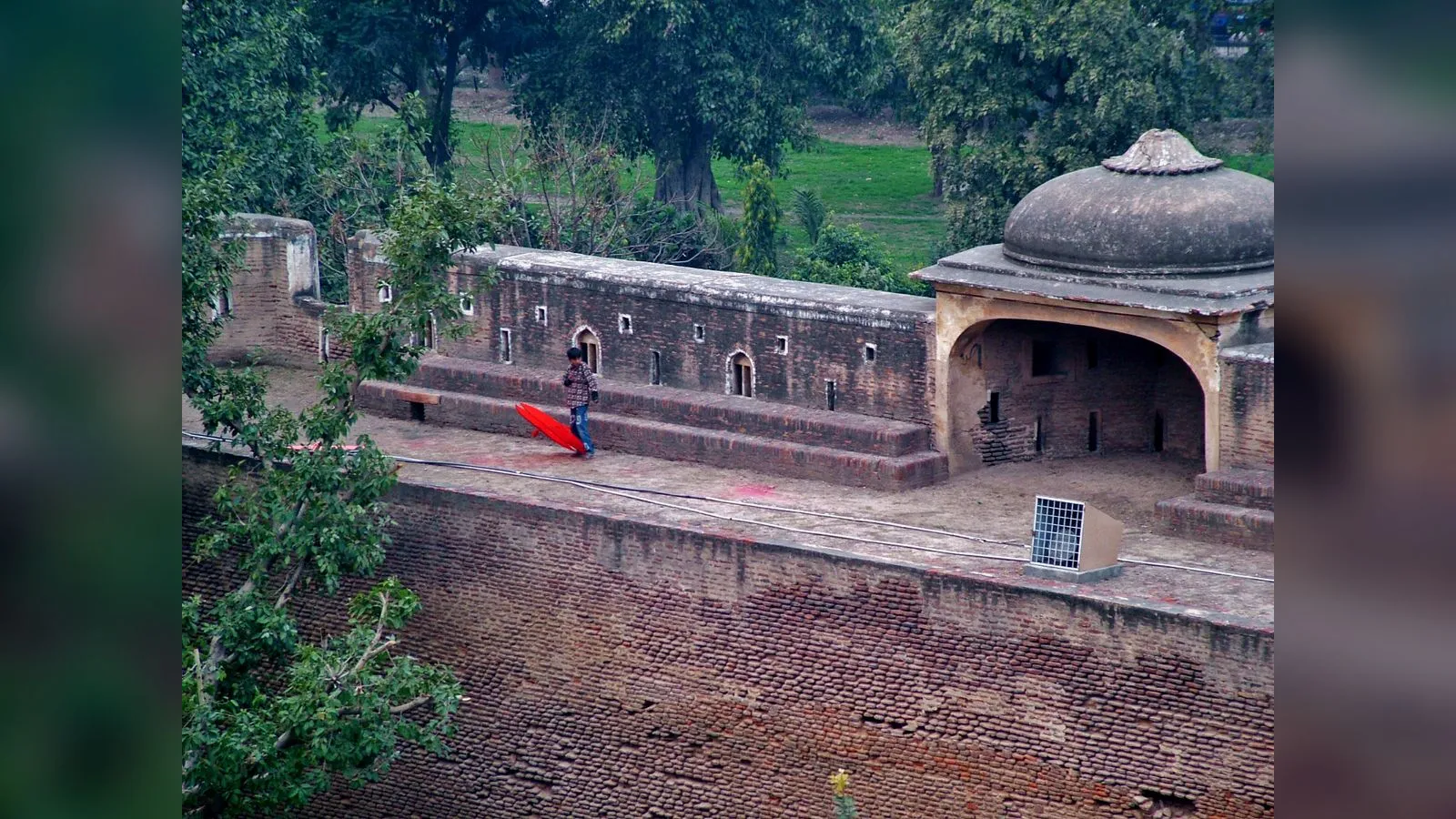
Lahore will celebrate Basant for 10 days next year, from January 29 to February 7, 2027, after Punjab Chief Minister Maryam Nawaz approved an extended festival on Wednesday.
Celebrations will pause for one day on February 5 to observe Kashmir Day, Dawn and The Express Tribune reported.
A gift to mark 2027
The chief minister described the festival as a gift for the people of Lahore to mark the arrival of 2027, and as a way to promote Punjab’s cultural heritage and the city’s historic traditions.
“The 10-day Basant celebrations will help promote Punjab’s cultural colours and Lahore’s ancient historical tradition across the world,” Maryam said, according to The Express Tribune.
The new dates replace an earlier plan. In August, the chief minister had announced that the festival would be held from March 12 to 14, 2027.
Safety first
Maryam directed officials to put in place stronger safety and public facilitation measures than at this year’s festival, and to begin preparations well in advance. She stressed that the success of the 10-day event would depend on strict adherence to safety rules and on responsible behaviour by citizens.
She appealed to the public to celebrate responsibly, saying the authorities and citizens should set a new example of duty and commitment to protecting human life. The Punjab government announced a new set of kite-flying rules in May for next year’s festival.
Basant’s return
Basant returned to Lahore earlier this year, when the spring kite festival was held from February 6 to 8 after the provincial government lifted the ban on kite flying through an ordinance. It was the first Basant in the city in 18 years.
The celebrations came at a cost. According to official Home Department records, the three-day festival left 17 people dead and 160 injured. Sources told The Express Tribune that the actual death toll was higher, at 21.
Why kite flying was banned
- 2005: kite flying and manufacturing were first banned in Punjab after more than 25 people were killed
- 2006 and 2007: the ban was relaxed at times
- 2007: the ban was reimposed after deaths rose again
The festival was banned because of the growing number of deaths and serious injuries caused by sharp strings, especially to motorcyclists and pillion riders, and by celebratory gunfire, Dawn reported.
By 2024, more than 2,020 people had lost their lives in kite-flying incidents, according to available records. More than 90 percent of those deaths were caused by chemical-coated strings that cut victims’ throats or faces.
A festival loved and feared
For generations, Basant was one of Lahore’s most loved traditions, filling rooftops across the old city with music, food and colourful kites to welcome spring. Its return this year was celebrated by many Lahoris, but the deaths showed how quickly the festivities can turn to tragedy.
Why it matters
Extending the festival from three days to ten will bring tourists and business to Lahore, and give the city’s kite makers and sellers a major boost. But it also means more days of risk. Whether the Punjab government can enforce its safety rules, especially the ban on dangerous strings, will decide whether Basant 2027 is remembered for its colour or its casualties. Read our report on Punjab’s plan to expand Safe City surveillance.
This article draws on reporting by Dawn and The Express Tribune.

Comments
Comments are reviewed by our editors before they appear. Please keep them civil and on topic. See our terms.
No comments yet. Be the first to share your view.