
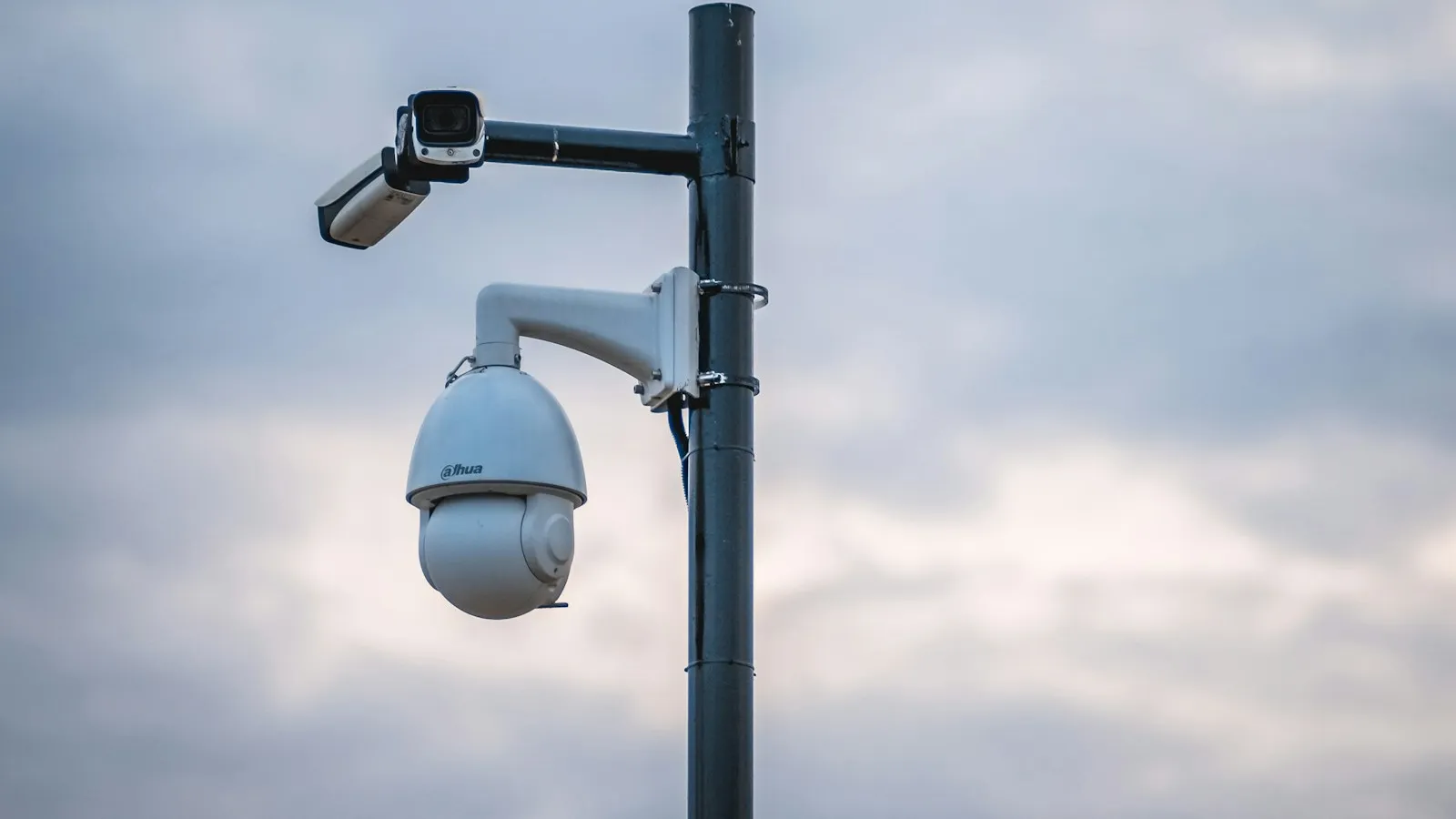
The Punjab government has launched a Rs16 billion project to extend its Safe City digital surveillance network to 98 tehsils across the province, adding 10,000 new cameras and taking technology-driven policing from Punjab’s major cities down to its smaller towns.
The project, being run by the Punjab Safe Cities Authority (PSCA), was approved by Chief Minister Maryam Nawaz, according to an official. The long-term plan is to extend digital surveillance to all 7,602 union councils in the province, which, officials say, would make it one of the most extensive digital policing networks in South Asia.
From 40 cities to the tehsils
Safe City operations currently run in nearly 40 cities, following a province-wide rollout ordered by the chief minister. More than 24,000 high-definition cameras now monitor Punjab’s roads, markets, highways and public spaces, feeding 43 “smart” Safe City centres that support the police around the clock.
The tehsil-level expansion was planned after reports showed encouraging results. According to the official, serious and heinous crime across Punjab has fallen by around 70 per cent since the network was rolled out.
He also pointed to a recent snapshot: on September 20, not a single emergency call to the police helpline, 15, reporting robbery, street crime or snatching was received in any of the 39 districts covered by Safe City. Officials credit close coordination between the PSCA, the Crime Control Department and district police.
AI at the heart of the system
The network relies heavily on artificial intelligence. More than a dozen in-house AI systems are already in use, according to the PSCA, including:
- Automatic number plate recognition, to detect stolen vehicles
- Facial recognition, to help identify suspects
- Smart vision and crime analytics, to spot suspicious behaviour and predict crime hotspots
- Intelligent traffic management, to ease congestion
The centres use video analytics and digital evidence to help police act quickly, and provide intelligence and operational support to other law enforcement agencies.
Technology partnerships with China
The expansion follows the chief minister’s visit to China in August 2026, which focused on technology transfer, artificial intelligence and digital governance. Since her return, the official said, she has held a series of meetings on bringing digital technology into different sectors, with a particular focus on taking Chinese technology to rural Punjab.
Part of a wider modernisation drive
The Safe City expansion is one of several projects through which the Punjab government is modernising public services. Another is a new, uniform sanitation fee system for the province’s cities, which will bring cleanliness charges into a single digital billing system alongside property tax.
The questions ahead
As surveillance expands into smaller towns, attention is likely to turn to how the system is managed: how long footage is kept, who can access facial-recognition data, and how citizens’ privacy is protected. Clear rules on those questions will help sustain public trust in a network that, by the government’s account, is already delivering results.
Why it matters
Punjab is home to more than half of Pakistan’s population, and public safety is one of the most visible tests of any provincial government. Extending the Safe City model from big cities to tehsils could bring faster police response to towns that have never had it, and, if the reported fall in crime holds, offer a model for other provinces. The province’s broader security picture remains a national concern, with militancy continuing in neighbouring Khyber Pakhtunkhwa.
This article draws on information from the Punjab Safe Cities Authority, as reported by Dawn.


Comments
Comments are reviewed by our editors before they appear. Please keep them civil and on topic. See our terms.
No comments yet. Be the first to share your view.