
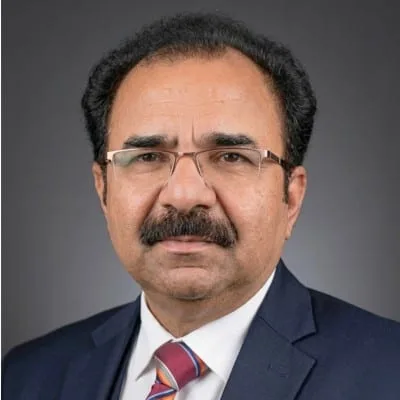
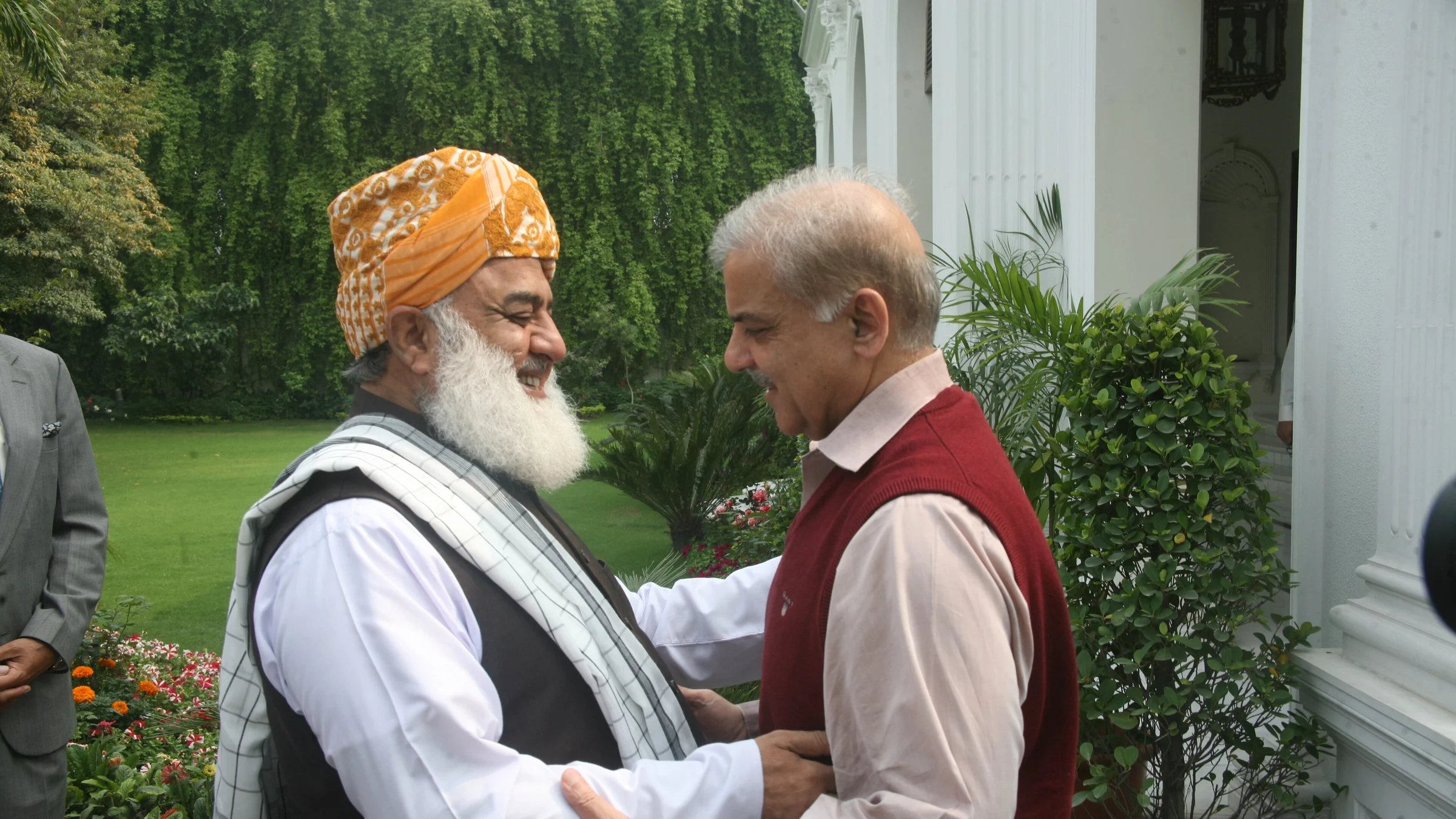
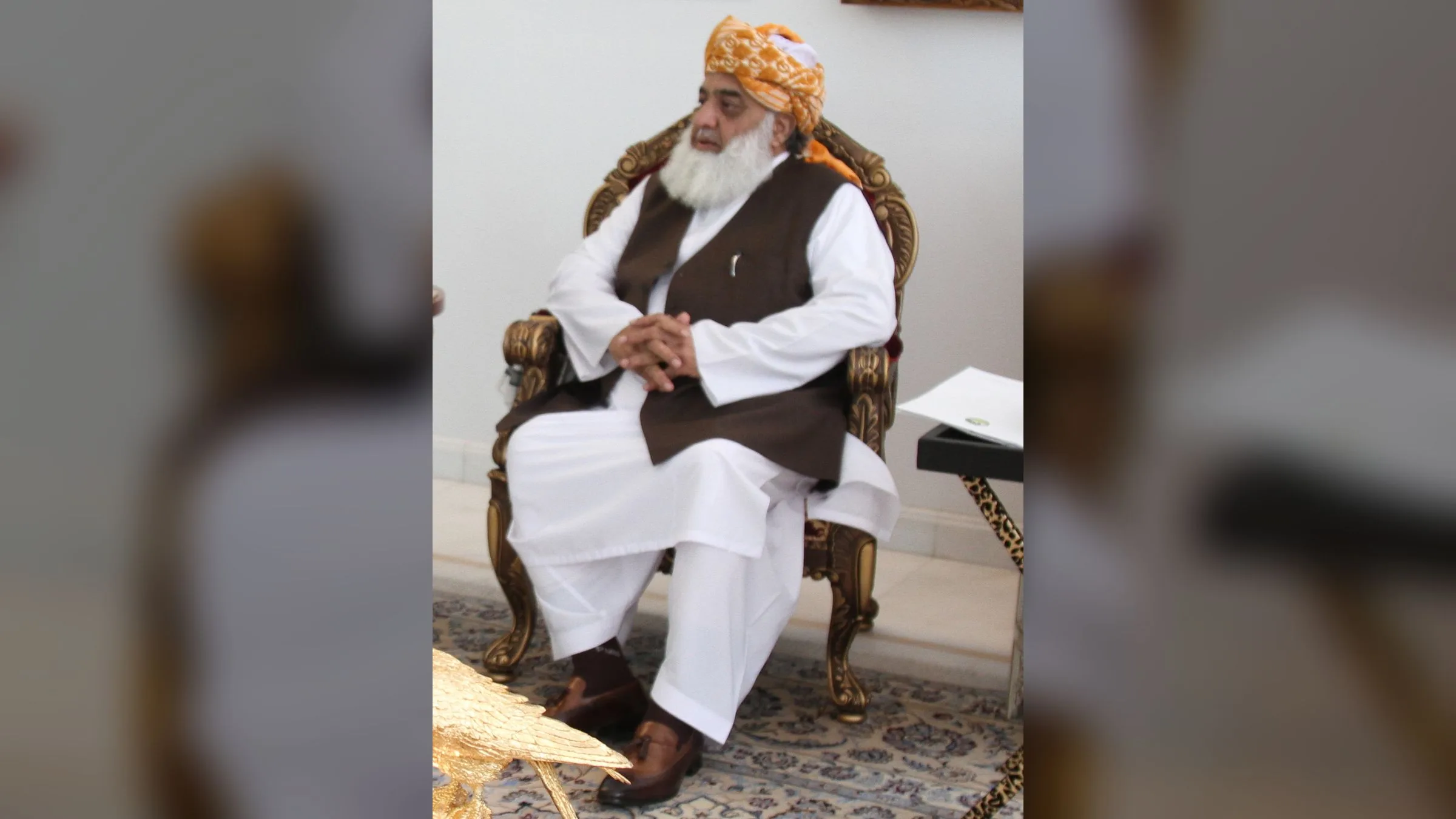
Defence Minister Khawaja Asif told the National Assembly on Thursday that no defence pact was being negotiated in Tehran, hitting back at Jamiat Ulema-i-Islam-Fazl (JUI-F) chief Maulana Fazlur Rehman, who had mocked his absence from the recent four-nation meeting there, Dawn and Geo News reported.
Fazl’s jibe
Speaking in the House on Wednesday, Fazl said: “A defence pact is taking shape in Iran, a meeting is under way (there), and the defence minister is sitting here.” He also asked why Interior Minister Mohsin Naqvi was needed at the Tehran meeting.
He then turned Asif’s own words against him, repeating the phrase the minister once used against the PTI: “Koi sharam hoti hai, koi haya hoti hai (have some shame, show some modesty).”
“Not the defence ministry’s mandate”
Asif said the Tehran talks were neither about a defence agreement nor about Pakistan’s defence. He said he had been involved in the two pacts Pakistan has signed, the Makkah defence pact and the Badr Memorandum of Understanding, because he is defence minister, but the Tehran meeting was “not the defence ministry’s mandate”.
He said Field Marshal Asim Munir had gone to Tehran “as a messenger of peace” and had helped avert a confrontation. “The situation could have deteriorated as far as the Yemen issue is concerned,” Asif said, adding that peace between Saudi Arabia and Yemen’s Houthis might emerge “in the coming days or week”.
He urged MPs to acknowledge Pakistan’s and the army chief’s international role, whatever their political differences.
Personal attacks
Asif then went after Fazl’s record:
- Power sharing: he said Fazl had been in government with every party, and criticism began “when they do not” get a share of power.
- Kashmir Committee: “Just tell me what he did for Kashmir during those 10 years as chairman of the Kashmir committee,” Asif said.
- Kabul: he questioned Fazl’s offer to mediate with the Afghan Taliban. “Were you the foreign minister?”
- “Blackmail”: he called Fazl’s speech blackmail and said Fazl would not have spoken if he had been given a share in Khyber Pakhtunkhwa after governor’s rule.
“You taunt me with ‘have some shame, show some modesty’, but you should also have some shame and show some modesty,” Asif said.
An admission
Asif also conceded mistakes by his own side. “We should not have entered into such compromises to come to power. We should have sat on the opposition benches; there would have been more dignity in that,” he said, adding that a coalition with such figures left the government open to pressure.
Background
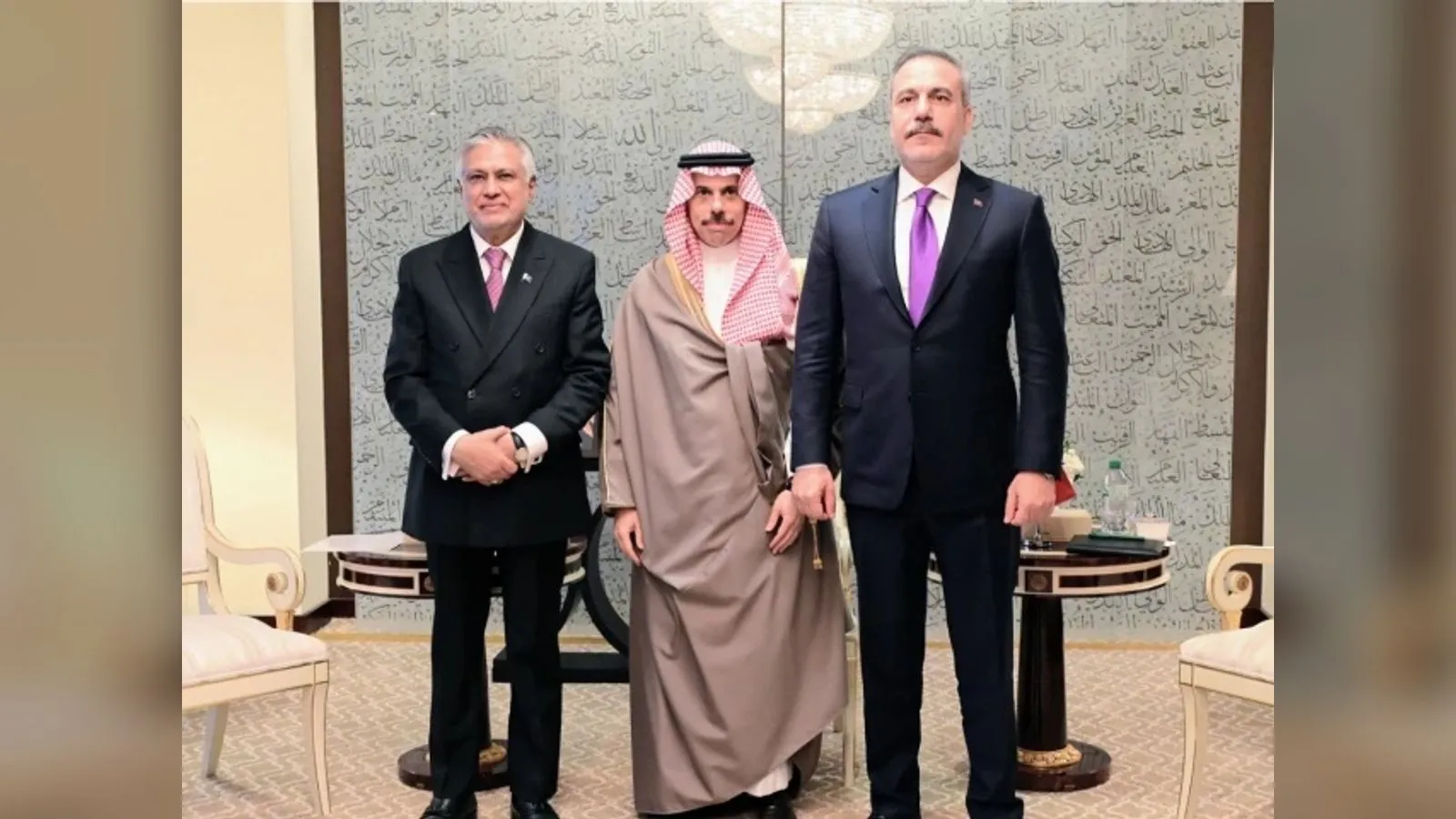
The Tehran meeting on Monday brought together Munir, Saudi Defence Minister Prince Khalid bin Salman and Turkish intelligence chief Ibrahim Kalin, who held the first talks between the Makkah pact states and Iran. Pakistan also signed the Badr pact with Turkiye, Qatar and Indonesia. Fazl has also this week proposed a new Charter of Democracy.
Why it matters
The spat shows how sensitive the government is to questions about its Gulf diplomacy. Asif’s line, that Tehran was a peace mission led by the army chief, means the defence ministry is not formally part of it, which leaves Parliament with little direct oversight. PPP chairman Bilawal Bhutto-Zardari also asked on Thursday for the foreign, interior and defence ministers to brief the House on the recent defence pacts and the Iran war.
This article draws on reporting by Dawn and Geo News.
Comments
Comments are reviewed by our editors before they appear. Please keep them civil and on topic. See our terms.
No comments yet. Be the first to share your view.