
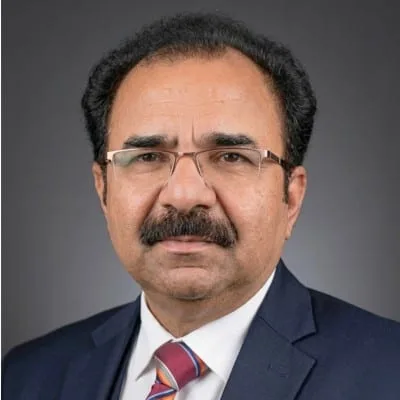
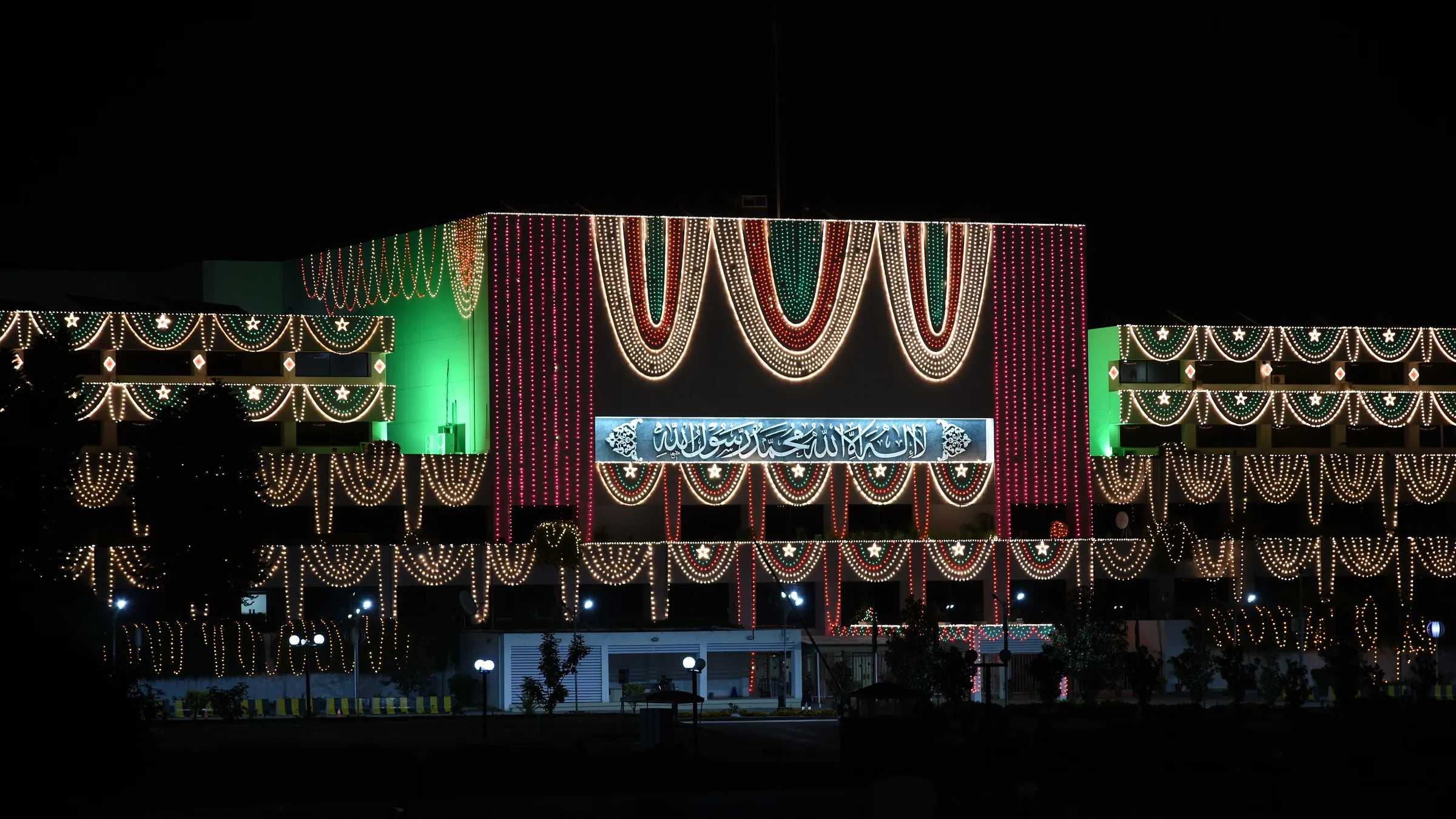
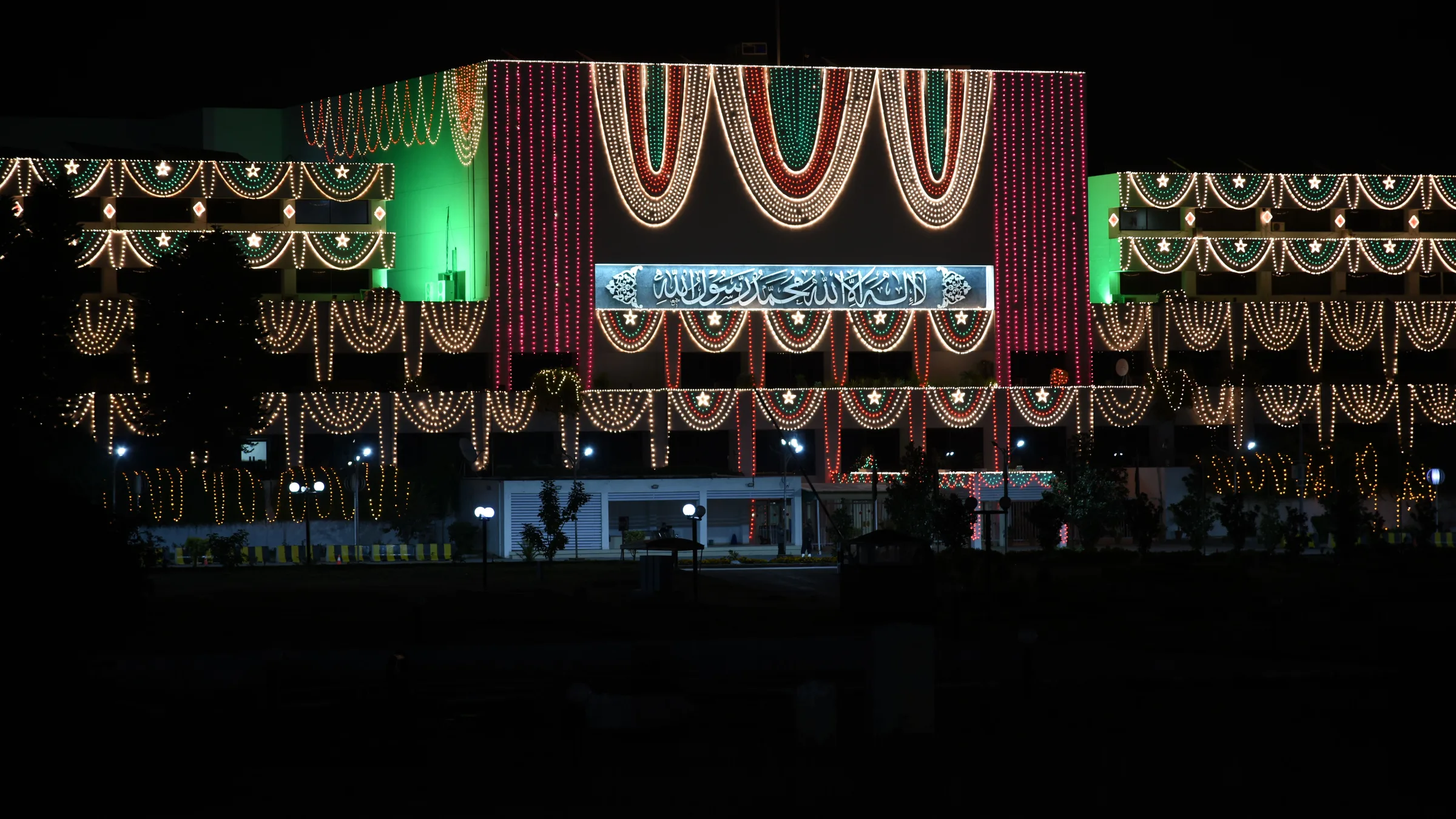
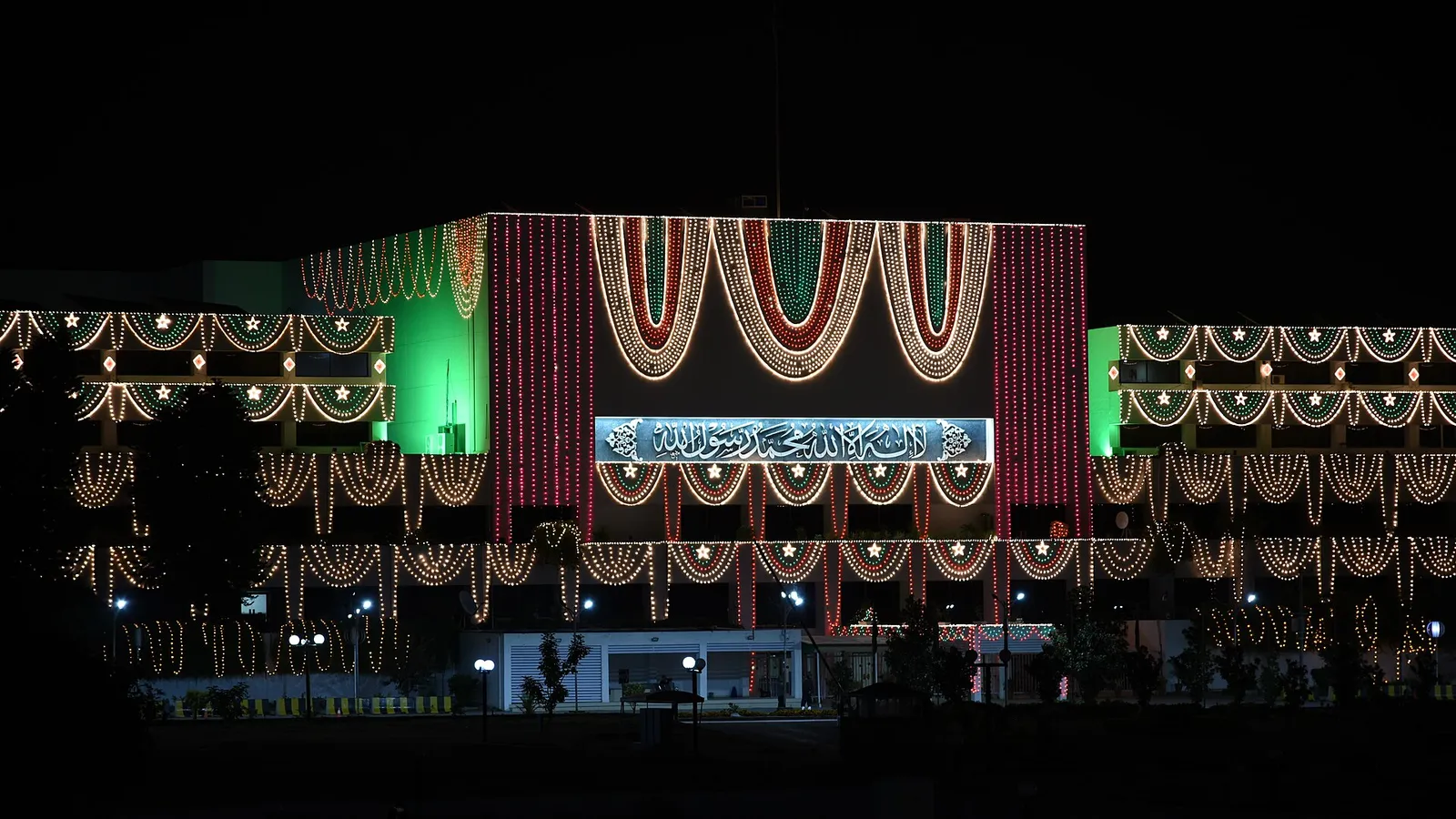
The National Assembly on Monday passed seven bills in a session marked by low attendance and the absence of ministers, before suspending its proceedings once again for lack of quorum, Dawn reported.
Seven bills in one go
The house passed:
- the Pakistan Study Centres (Amendment) Bill 2026;
- the Federal Board of Intermediate and Secondary Education (Amendment) Bill 2026;
- the Travel Agencies (Amendment) Bill 2026;
- the Pakistan Tourist Guide (Amendment) Bill 2026;
- the Pakistan Hotels and Restaurants (Amendment) Bill 2026;
- the Motion Pictures (Amendment) Bill 2026; and
- the National College of Arts Institutes (Amendment) Bill 2026.
As the bills were being passed, interim PTI chairman Barrister Gohar Ali Khan rose to speak on a point of order. The Speaker asked him to wait until the bills had been passed. Then MNA Sohail Sultan pointed out the lack of quorum, which forced the Speaker to adjourn the house until 11am on Tuesday.
Kashmir resolution put off
A resolution condemning India’s atrocities and unlawful acts in occupied Kashmir was also put off when proceedings were suspended. The delay comes on October 27, the day Pakistan marks as a Black Day over India’s landing of troops in Kashmir in 1947, an event Pakistan says began the dispute over the territory.
Who answers questions?
Earlier, lawmakers took offence when a parliamentary secretary answered a question from MNA Syeda Amnah Batool about education. She had asked whether a national plan existed to align university degrees with the job market, how many universities teach such skills, and whether the government would make internships or industry placements compulsory in selected degree programmes. Parliamentary Secretary Rabia Rahim said the government had made a policy under which the Higher Education Commission would not verify the degree of any student who had not completed the required internship.
Then, when MNA Shagufta Jumani asked when the Neelum-Jhelum power project would be completed and at what cost, a parliamentary secretary tried to answer. The Speaker said he would not allow “any irrelevant secretary” to reply. “It is the job of the minister or the parliamentary secretary concerned to respond to questions,” he said.
Federal Minister for Parliamentary Affairs Tariq Fazal Chaudhry quoted the rules to argue that parliamentary secretaries have the status of ministers and can answer on their behalf. The Speaker replied that if that was the case, then ministers had no need to attend the proceedings. Law Minister Azam Nazeer Tarar said it was ideal for ministers to answer, but that under the law parliamentary secretaries were authorised to reply for them.
What we know and what we don’t
What we know: the seven bills that passed, the quorum call, the postponed Kashmir resolution and the exchange over parliamentary secretaries.
What we don’t know: what changes the seven amendment bills make, since Dawn gave only their titles, and whether the Senate has taken them up. Nor is it clear when the Kashmir resolution will come up again, or how many members were present when quorum was lost.
Why it matters
Passing seven bills in a house that cannot keep its quorum raises the question of how closely the legislation was examined. The dispute over who answers questions touches on a basic parliamentary principle: that ministers account for their departments to elected members. When ministers are absent and attendance is low, the questions MNAs ask about degrees, power projects and other matters of public interest get replies that satisfy neither the members nor the Speaker. What to watch next: whether the house has quorum on Tuesday, when the Kashmir resolution returns, and whether the Speaker’s ruling changes how questions are answered.
This article draws on reporting by Dawn.

Comments
Comments are reviewed by our editors before they appear. Please keep them civil and on topic. See our terms.
No comments yet. Be the first to share your view.