


Heavy rain lashed Islamabad and Rawalpindi on Monday, flooding low-lying streets, forcing two incoming flights to divert to other airports and prompting the Water and Sanitation Agency (WASA) to declare a rain emergency in Rawalpindi.
The heaviest fall was recorded at Saidpur village in Islamabad, where 33mm of rain fell, according to figures reported by Dawn. Readings climbed through the morning as the spell continued, and the figures published before noon were lower than the totals reported by early afternoon.
Rainfall across the twin cities
| Area | Rainfall |
|---|---|
| Saidpur village | 33mm |
| Shamsabad | 29mm |
| Pirwadhai | 28mm |
| Gawalmandi | 27mm |
| Golra (near E-11) | 25mm |
| H-8 | 23mm |
| I-12 | 22mm |
The Pakistan Meteorological Department’s own station at its Islamabad headquarters had recorded 19mm by late morning, ARY News reported.
Rain emergency in Rawalpindi
The managing director of WASA Rawalpindi declared a rain emergency and said all field officers had been mobilised. Teams with dewatering pumps and heavy machinery were stationed at the city’s usual trouble spots, including Liaquat Bagh, the Committee Chowk underpass, Murree Road, Dhok Khabba, Circular Road and the low-lying parts of Sadiqabad. A WASA control room kept track of rainfall and drainage across the city throughout the spell.
Rawalpindi’s deputy commissioner said “the administration, Rescue 1122, waste management authorities and other relevant departments are on high alert to deal with any emergency situation.”
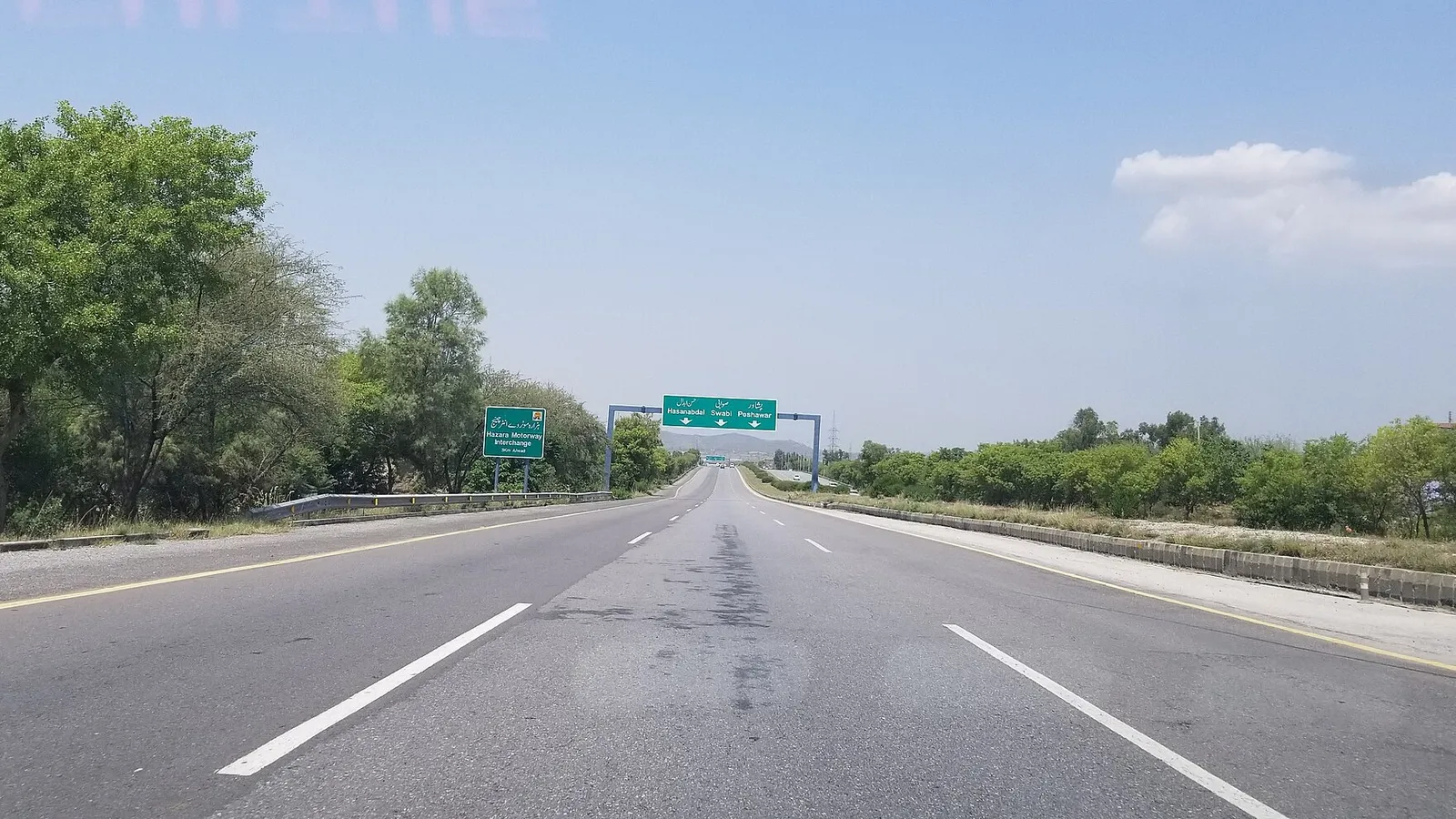
In Islamabad, the traffic police managed the flow of vehicles on the city’s main roads. The rain fell on the same day the Islamabad-Peshawar motorway reopened after its closure ahead of the PTI’s march, adding to a difficult week for commuters in and around the capital.
Nullah Lai under watch
Officials kept a close eye on Nullah Lai, the rain-fed stream that runs through the heart of Rawalpindi. The water level stood at 5.5 feet at Katarian and 2 feet at Gawalmandi, which the authorities described as normal.
“Nullah Lai is being continuously monitored, and the public is being kept informed in a timely manner,” Rawalpindi Commissioner Salman Ghani said.
The stream’s catchment covers about 235 square kilometres across both cities, and every monsoon it swells with water from tributaries that rise in the Margalla Hills bordering Islamabad. The twin cities still remember 23 July 2001, when a record 620mm of rain fell on Islamabad in just 10 hours and caused severe urban flooding along Nullah Lai.
Two flights diverted
Bad weather also disrupted air traffic at Islamabad International Airport. A Pakistan International Airlines flight from Paris to Islamabad was diverted to Multan, where it landed at 5:44am before flying on at 8:21am. An AirSial flight from Jeddah was diverted to Peshawar and landed there at 10:25am.
Rain across Punjab and Khyber Pakhtunkhwa
The spell was not limited to the capital. Rain with strong winds and hail was reported in several parts of Punjab and Khyber Pakhtunkhwa, including Jhang, Mianwali, Kundian, Dunyapur, Kohat and Karak, according to the Met Office. Water collected in low-lying areas, and power supply was disrupted in places as electricity feeders tripped.
The Met Office has forecast more rain in parts of Punjab over the next 24 hours, including Lahore, where temperatures were expected to range between 25°C and 34°C. Rain has already disrupted sport this week, with Pakistan’s Asian Games cricket match washed out before they advanced to the semi-finals.
What comes next
The rainy season in the twin cities usually runs from July to September, and Monday’s downpour in the last days of that season was a reminder of how quickly heavy rain can fill low-lying streets. For now, the measure officials watch most closely, the water level in Nullah Lai, remains within normal limits, and Rawalpindi’s administration says its departments remain on high alert.
This article draws on reporting by Dawn, ARY News and Daily Pakistan, and on figures from the Pakistan Meteorological Department.
Comments
Comments are reviewed by our editors before they appear. Please keep them civil and on topic. See our terms.
No comments yet. Be the first to share your view.