

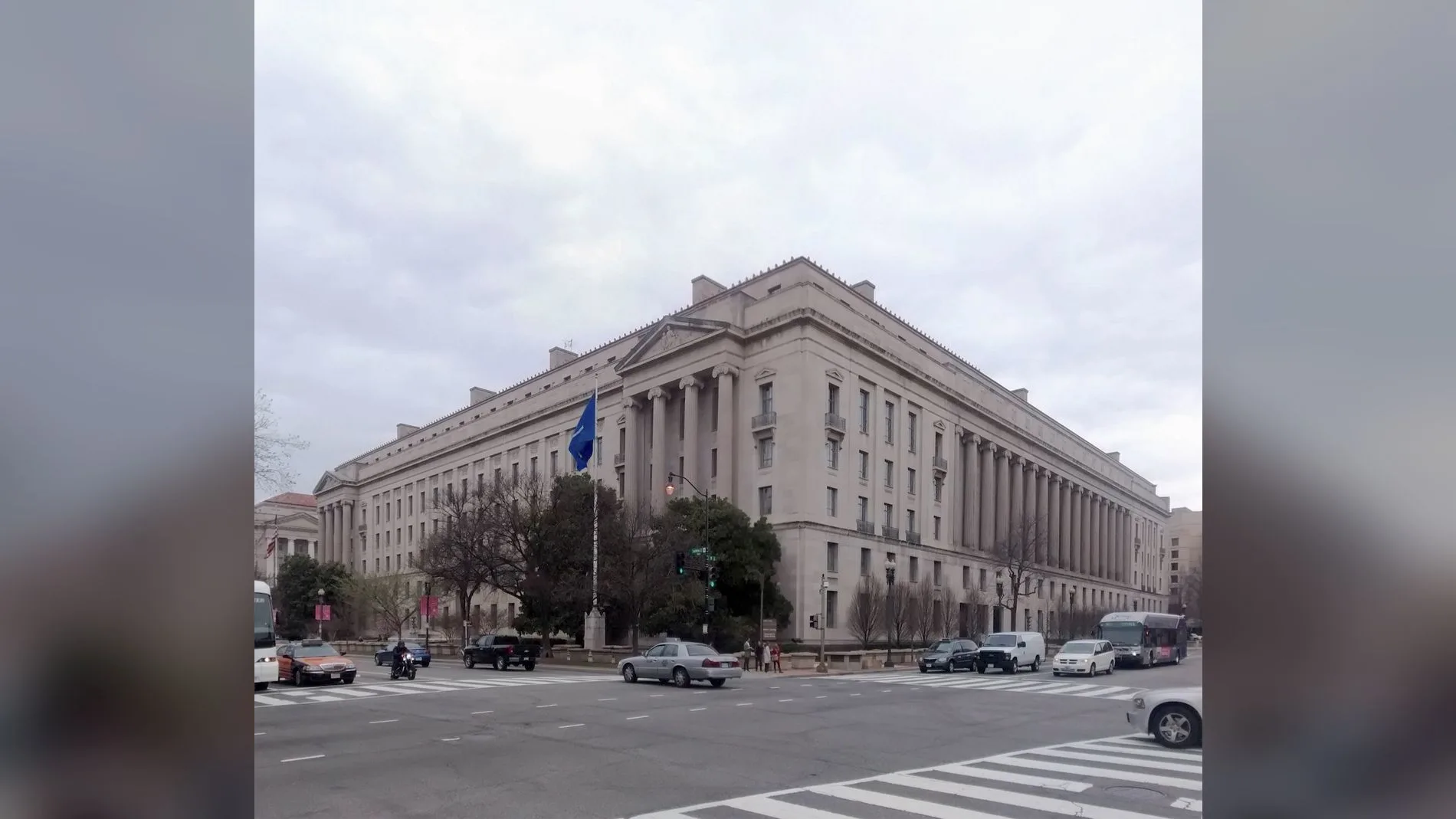
When Justice Department staff arrived in Minnesota this summer to monitor the state’s primary election, they found themselves being watched as well, Dawn reported, citing Reuters.
Minnesota officials sent about 40 state employees, working in pairs, to track the federal lawyers as they travelled through two counties during the August vote, a sign of mounting tension between the state and the Trump administration over elections and immigration.
Democratic Secretary of State Steve Simon said his office was likely to work with the state attorney general to shadow federal monitors again during the November 3 midterms, when control of Congress is at stake. California has launched a similar programme.
A tripled federal presence
- Scale: the Justice Department plans to deploy about 1,000 monitors in all 50 states on Election Day, roughly triple the number at the last midterms and the department’s largest observation effort
- Where: it has not said where they will go, but officials said priorities include areas with a history of voter access problems and competitive races that could be targets of intimidation
- Data: the administration has also pressed states for voter registration data, arguing stricter measures are needed for public confidence
Simon acknowledged the federal monitors had not been disruptive in Minnesota. But the moves by Minnesota and California reflect unease in Democratic-led and some Republican-led states, where critics see the programme as federal overreach.
“They are the source of interference,” said California Attorney General Rob Bonta, a Democrat. “They are the ones that are intimidating and creating the suppression.”
The department’s response
Justice Department officials accuse critics of fear-mongering, saying the programme will focus on compliance with civil rights laws, as in past elections.
Spokesperson Kiersten Pels said the monitors would be trained not to interfere with election processes and would focus on countering voter intimidation and protecting access.
What monitors can and cannot do
- Can: observe voting, speak to voters after they leave polling places, and report immediate concerns to local police or election officials
- Cannot: conduct investigations on the spot or stop anyone from voting
- Local rules: some state and local laws let election officials keep federal monitors out of polling places
In Maine, where a key Senate race is being fought, the secretary of state told local supervisors to contact the state if federal monitors ask to observe. In Nevada, chief election official Cisco Aguilar, a Democrat, said local police would be trained to remove any monitor who breaks the rules or refuses to leave a polling place when asked.
Prosecutors at the polls
Rights groups are particularly worried that the department plans to use criminal prosecutors as monitors, breaking with past practice. The NAACP has sued to stop prosecutors and other law enforcement staff serving as monitors, calling the plans voter intimidation. “Monitors will not identify themselves as prosecutors,” Pels said, calling the lawsuit “baseless speculation”. She said monitors would record any voting by non-citizens they see, a core administration priority; studies have found such voting is rare.
Why it matters
With polls showing Democrats ahead and Trump’s approval at a record low, every step in the vote count will be scrutinised. A fight over who watches the polling stations could shape whether Americans trust the result. Read our report on Trump’s record-low approval rating.
This article draws on reporting by Dawn and Reuters.
Comments
Comments are reviewed by our editors before they appear. Please keep them civil and on topic. See our terms.
No comments yet. Be the first to share your view.