

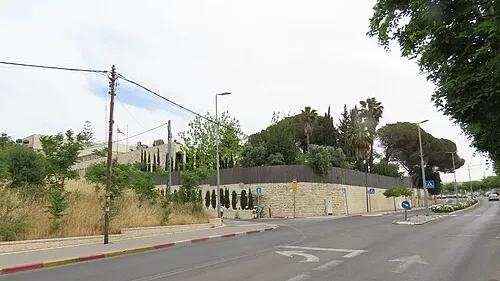
Israel on Thursday ended the work of the British consulate in occupied East Jerusalem, the nearly 200-year-old mission that serves as Britain’s main link with the Palestinians, in retaliation for UK sanctions over settler violence in the occupied West Bank.
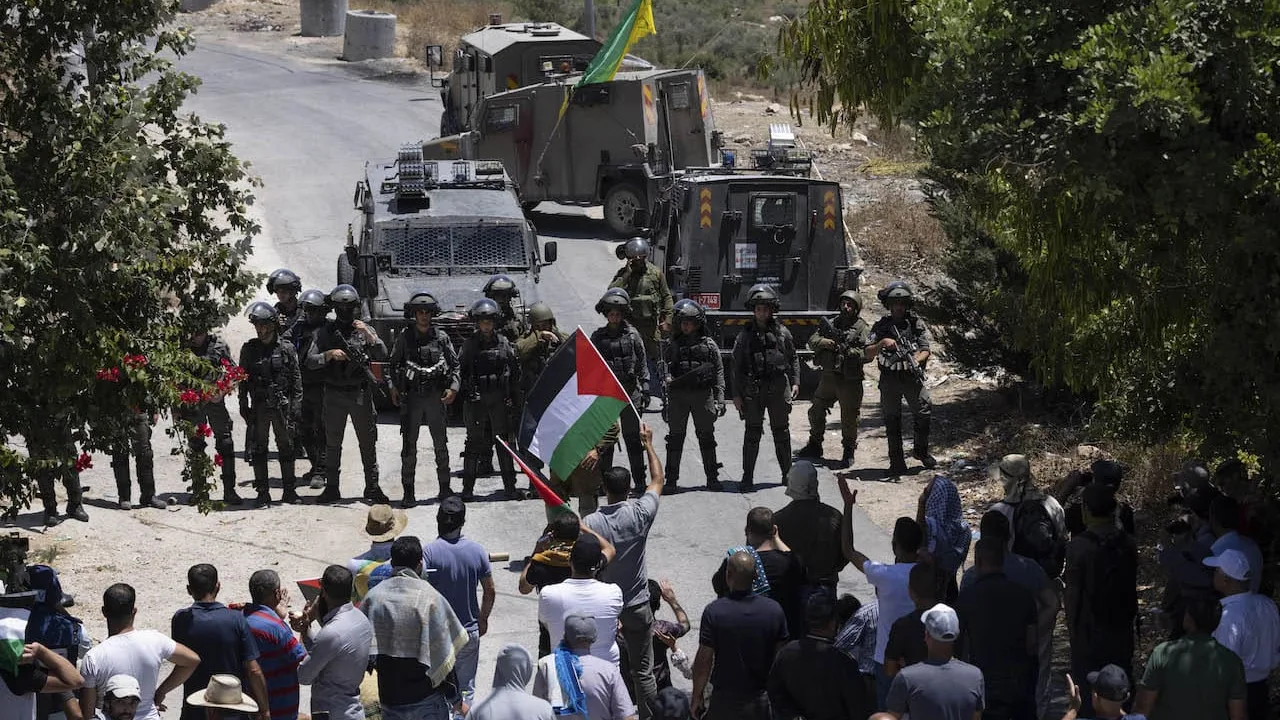
Israel ordered the closure on September 8, giving Britain 30 days, after London led Western sanctions on trade with Israeli settlements, following a surge in attacks by settlers on Palestinians. Twelve countries, including Britain, Canada and France, announced the sanctions.
Diplomats ordered out
Israeli Foreign Minister Gideon Saar said 20 diplomats, including the consul general, were ending their missions and leaving the country. A “task force of only seven diplomats” would be allowed to work from the building, which he said “ceased to function as a consulate today”.
An AFP photographer saw that the diplomatic emblem and a plaque had been removed from the building’s front.
Israel has also said it will:
- expel British representatives from a centre monitoring the US-brokered ceasefire in Gaza
- bar British training for Palestinian Authority forces
- ban 12 Britons, mostly members of parliament, from visiting
Britain: ‘no legal right’
The UK said the building would stay open as the “UK Mission, Jerusalem”. “The UK Mission, Jerusalem is independent, operational and will continue to deliver vital services and our work with the Palestinian people,” British Foreign Minister Ed Miliband said.
Miliband said Britain did not accept that the Israeli government had “the legal right” to enforce the closure. “We will work in the coming months to build back up our presence and we will not take reciprocal action while such discussions are underway and credible,” he said.
Saar said the move followed talks with London aimed at avoiding further escalation, and that both governments had agreed to continue a dialogue. Earlier this week, sources told Reuters that Britain had been considering expelling Israeli diplomats if the consulate was shut, and that its national security adviser, Jonathan Powell, had visited Israel without securing a deal to keep it open.
A blow to Palestinian ties
An Israeli diplomatic source told AFP that Britain had lost a “historic and meaningful presence” in its support for the Palestinians. “So yes, they keep the building” and a few diplomats, the source said, “but they have lost a historic and significant footprint.”
The consulate handles “political, commercial, security and economic interests between the UK and Palestine”, according to its website, and provides consular services to British nationals in Jerusalem, the occupied West Bank and Gaza.
Occupied city
The consulate lies in East Jerusalem, the historically Palestinian part of the city that Israel captured in 1967 and later annexed. Israel claims the whole city as its undivided capital, but most countries, including Britain, do not recognise its sovereignty over all of Jerusalem.
Why it matters
The closure punishes Britain for acting against settler violence, and leaves Palestinians with a reduced diplomatic channel to one of the European powers that has moved to sanction Israeli settlements. It also marks a widening Israeli effort to restrict foreign diplomats who deal with the Palestinians: last month Israel said it would revoke the diplomatic status of Dutch diplomats in Ramallah.
This article draws on reporting by Dawn, AFP and Reuters.


Comments
Comments are reviewed by our editors before they appear. Please keep them civil and on topic. See our terms.
No comments yet. Be the first to share your view.