
Artificial intelligence firm Anthropic says it will commit 5 per cent of its shares to a fund that will make donations for the “public good”, the BBC reported. The announcement comes as the company lays the ground for a possible blockbuster stock market listing that could value it at more than $1 trillion.
In a statement released on Sunday, Anthropic said its Public Benefit Fund could support nonprofit organisations and efforts to address the impact of AI on the jobs market. None of the shares held by the fund would be used for lobbying or political donations in the United States or overseas, the company added. The fund could also receive another 2 per cent of the firm’s shares at its board’s discretion.
Musk’s reply
Technology billionaire Elon Musk responded on social media. “I recommend giving the shares directly to the public,” he wrote, adding: “This is what I will be doing.”
Growth and scrutiny
Last week, Anthropic told prospective investors that its revenue had risen by 45 per cent to $16.8 billion in the three months to the end of September. Like other AI firms, it is trying to show it can generate large profits despite spending billions on developing the technology and building the infrastructure to power its models.
The AI industry is under intense scrutiny over safety and its effect on society and the economy. Anthropic reportedly said in its initial public offering (IPO) filing that AI could pose “catastrophic or existential risks to humanity”. Companies around the world, mostly in technology, have cut thousands of jobs after investing in AI, many citing efficiency gains. Research by the International Monetary Fund, published in 2024, suggested almost 40 per cent of jobs worldwide will be affected by AI, rising to as much as 60 per cent in advanced economies.
Safety debate
The BBC noted several recent developments in the wider debate:
- In September, a researcher who quit Anthropic said people working on the technology were “genuinely frightened” about the speed of its advances. “I believe that if we don’t slow down at the current rate of progress, there is a strong chance that we could all die in the immediate future,” said Jacob Coxon, 27, in an interview with the BBC after his resignation post went viral.
- Anthropic chief executive Dario Amodei had earlier called for AI development to slow down, though some have questioned the motives behind this. The bosses of two rival firms, Sam Altman of OpenAI and Musk, have both said they agree with his proposal for industry-wide deceleration, regulation and independent monitoring of model development.
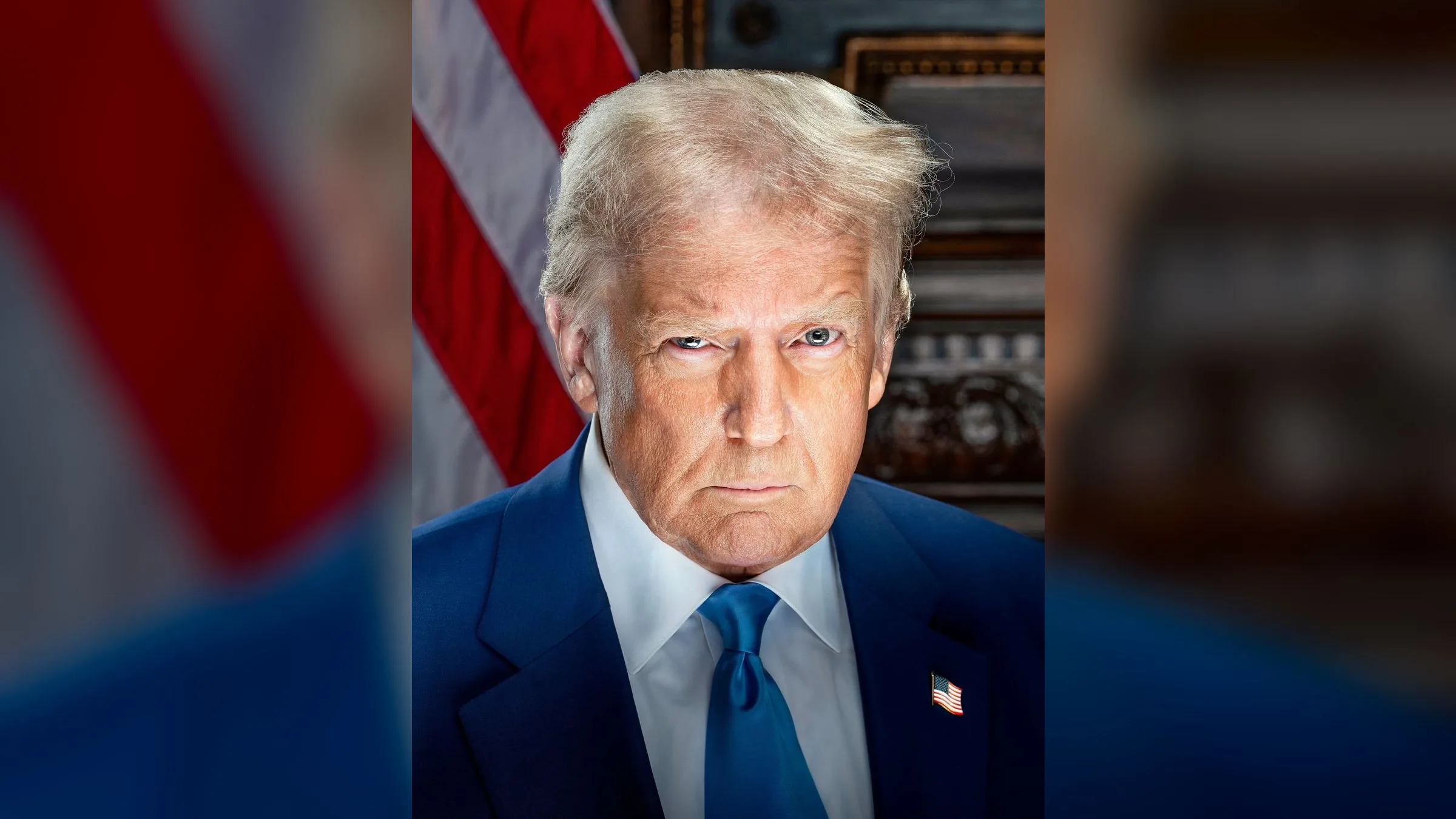
- Earlier this month, US President Donald Trump and the heads of major AI firms signed a “morally binding” document making them responsible for the safety of their own technology. Trump has repeatedly rejected laws to control the technology.
- Trump has since named Jay Clayton as head of a new taskforce on AI that will coordinate government engagement with consumers, companies and “religious organizations”.
Why it matters
Setting aside a share of a company that may become one of the most valuable in the world for public purposes is a notable commitment, and it lands while governments are still deciding how, and whether, to regulate AI. The details that matter next are how the fund is governed, which organisations it supports, and whether other AI companies follow. Read our earlier reports on Anthropic’s warning that rogue AI could spread like a botnet and on Trump naming Jay Clayton as AI czar.
This article draws on reporting by the BBC.
Comments
Comments are reviewed by our editors before they appear. Please keep them civil and on topic. See our terms.
No comments yet. Be the first to share your view.