

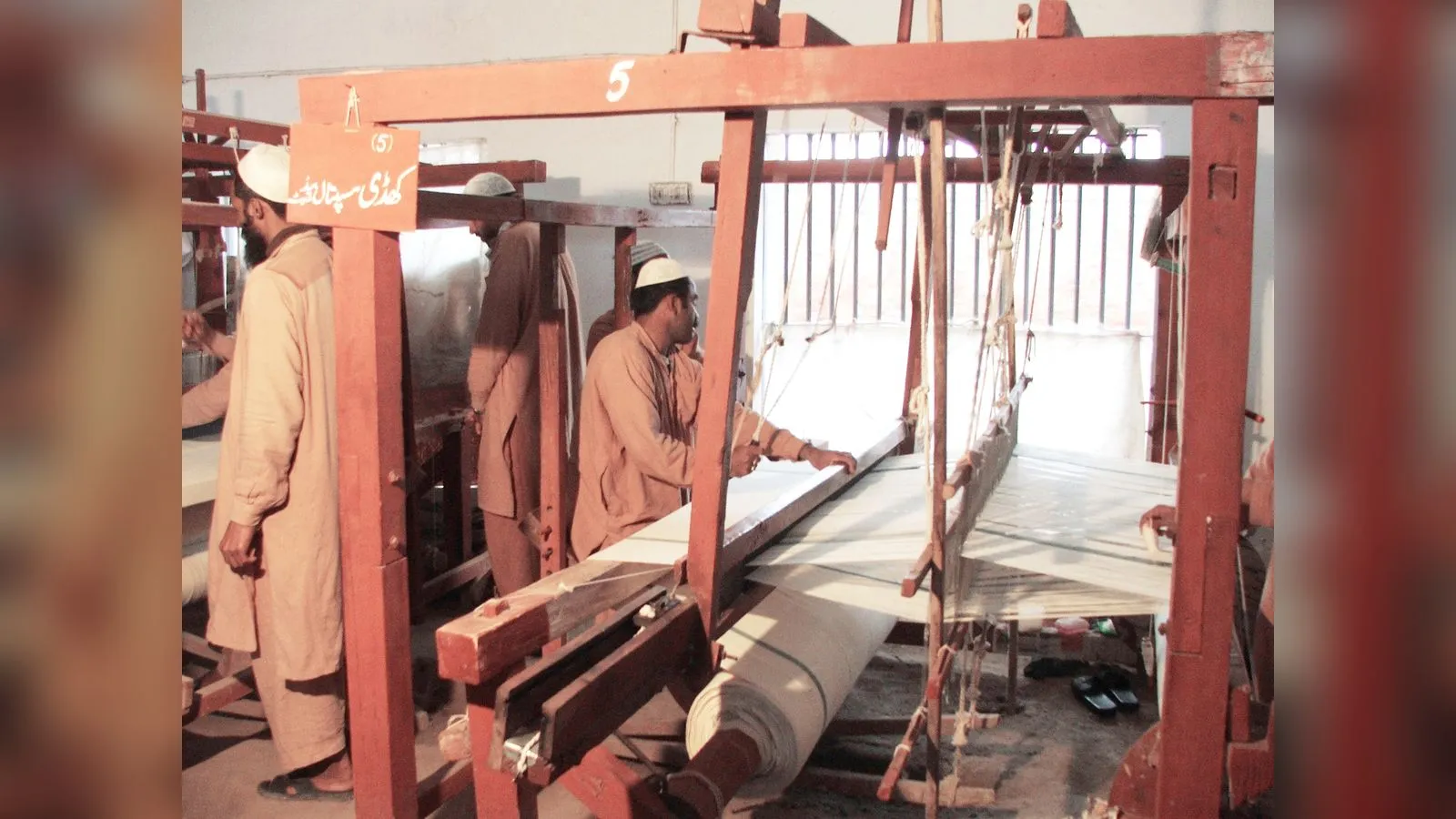
For Nazneen, prison is where seven months of ordinary family life have quietly disappeared. Facing a drug-related case at Peshawar Central Prison, she is raising her child behind concrete walls, with little schooling for the child and no idea what awaits them after release.
“For women, prison itself becomes a source of psychological pressure,” she told The Express Tribune, describing long-term stress, illness and a lack of basic facilities. Her name has been changed.
More than 50 women are held at Peshawar Central Prison, many in a system where legal help, healthcare, education and rehabilitation are hard to reach.
Waiting for years
“Some women have remained behind bars for years, waiting for trials, bail or other legal remedies,” said Peshawar High Court lawyer Mahwish Mohib Kakakhel. Many face drug-related or murder cases.
There is no dedicated rehabilitation centre for women prisoners, she said, which means little support for mental health, education, vocational training or preparing for life after release.
She also said an HIV-positive woman in her late 30s is being held at the prison, raising concerns about her access to treatment, hygiene and proper care.
“Entitled to basic human rights”
Dr Khurshid Bano, a social activist who has worked on women’s rights for about three decades, said visiting women prisoners was complicated and that inmates still face harassment.
“Women prisoners should not be viewed solely as people serving sentences but as individuals entitled to healthcare, psychological support, education, social rehabilitation and basic human rights,” she said.
A wider healthcare problem
The problems facing women point to wider gaps in KP’s prisons, where inmates report difficulty seeing specialist doctors and getting tests and timely treatment.
- A court petition: a writ petition in the Peshawar High Court has raised the reported deaths of two prisoners, Fazal Rehman and Zahir Shah, at Peshawar Central Prison
- Delayed treatment: a prisoner said two inmates he knew had gallbladder and heart problems but waited too long for care; one, unable to pay for private treatment, kept taking routine medicine until he died
- Paying for care: another inmate, in prison for about 12 years, said he spent around Rs200,000 on a private operation for a serious back problem. “If you do not have money, even getting proper treatment can become extremely difficult inside prison,” he said
Lawyer Shabbir Hussain Gigiani, who filed the petition, wants specialist doctors from nearby government hospitals to run regular clinics in prisons, along with tests, medicines and dedicated wards for prisoners.
The authorities’ view
Prison authorities reject claims of poor medical care, saying routine check-ups, medical staff and health camps are available. The government says it is working on a telemedicine system.
What advocates want
Rights advocates say KP needs a full rehabilitation framework for women prisoners, covering healthcare, mental health, legal aid, education and support to rebuild their lives after release. Owais Khan, an inmate, hoped prisons could offer education and vocational training rather than simply lock people up.
Why it matters
A prison sentence should take away freedom, not health or dignity. For women like Nazneen and the children who live with them, better legal aid and care could decide whether release means a fresh start or a life that has quietly fallen apart.
This article draws on reporting by The Express Tribune.


Comments
Comments are reviewed by our editors before they appear. Please keep them civil and on topic. See our terms.
No comments yet. Be the first to share your view.