
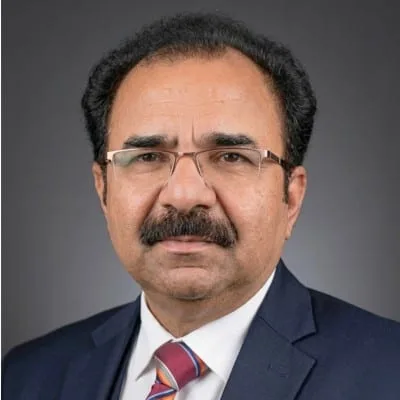
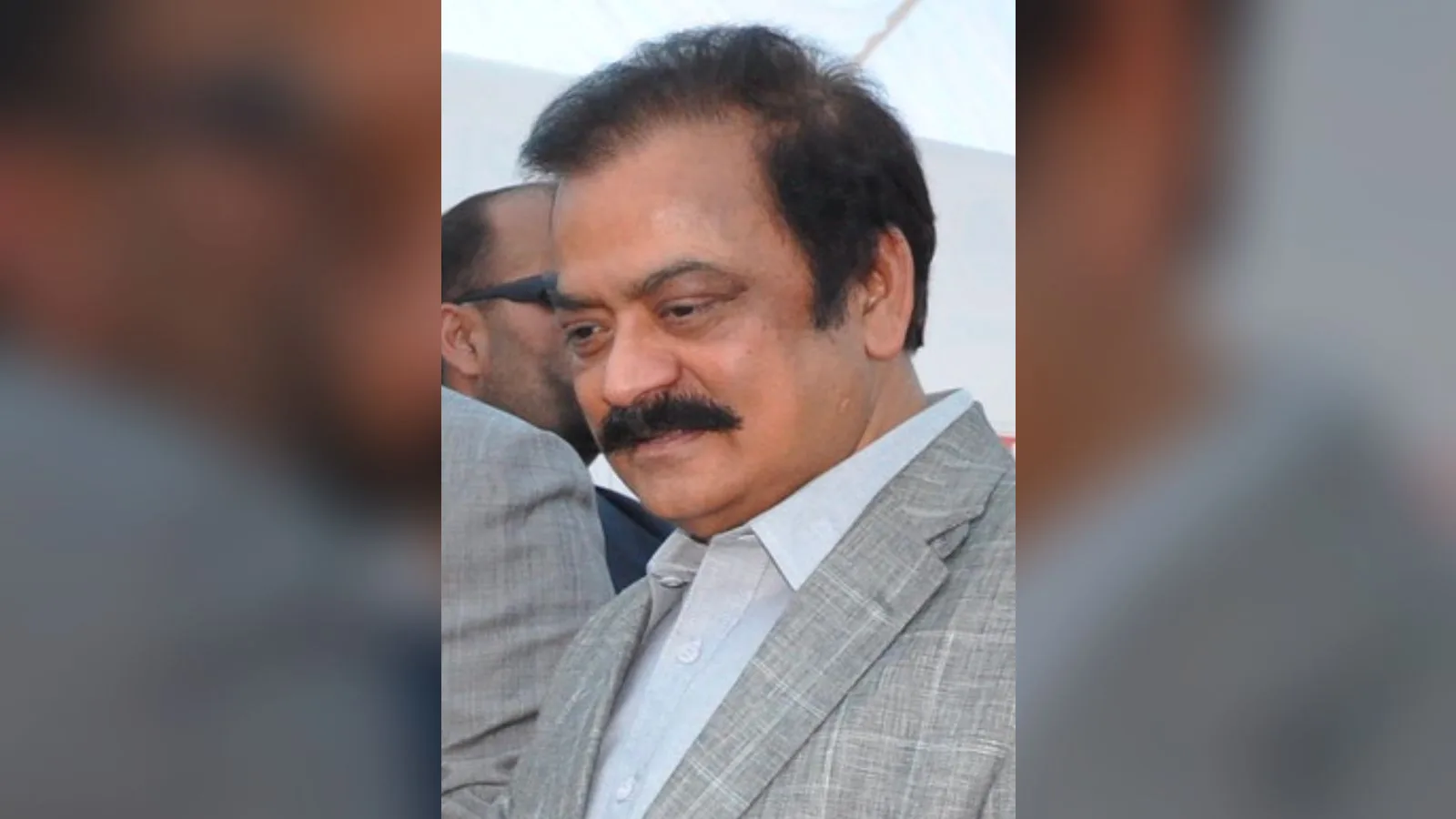
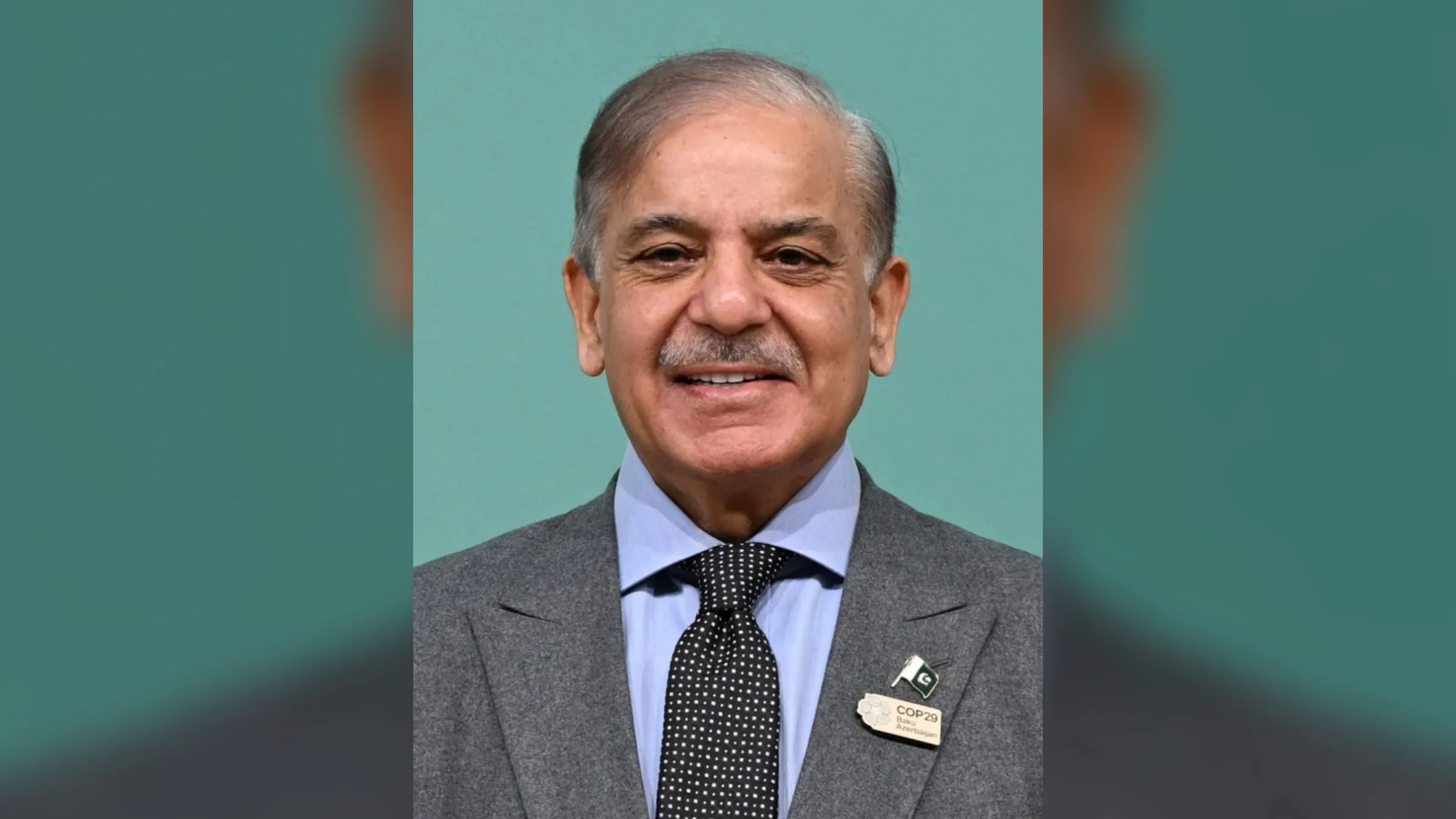
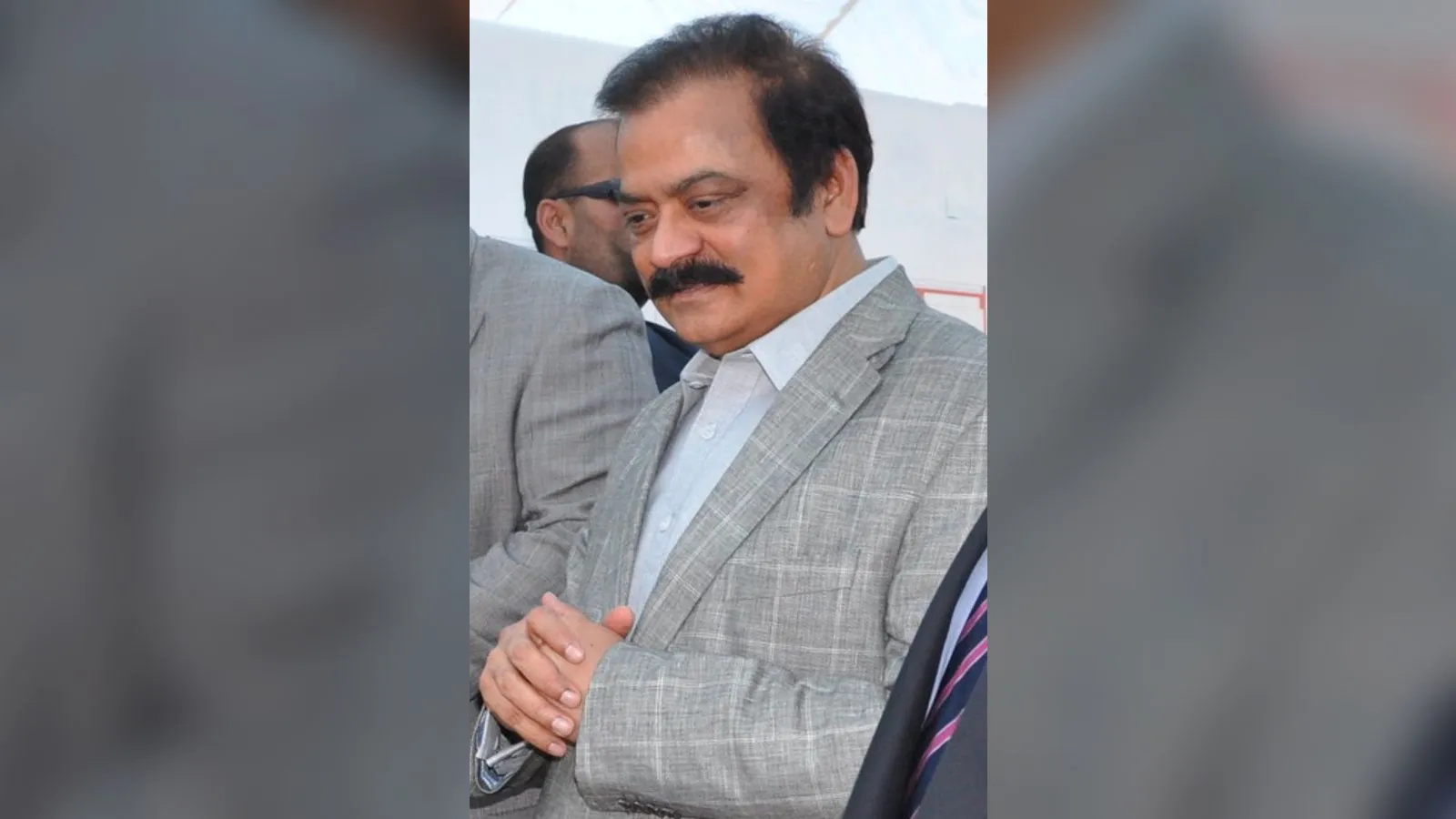
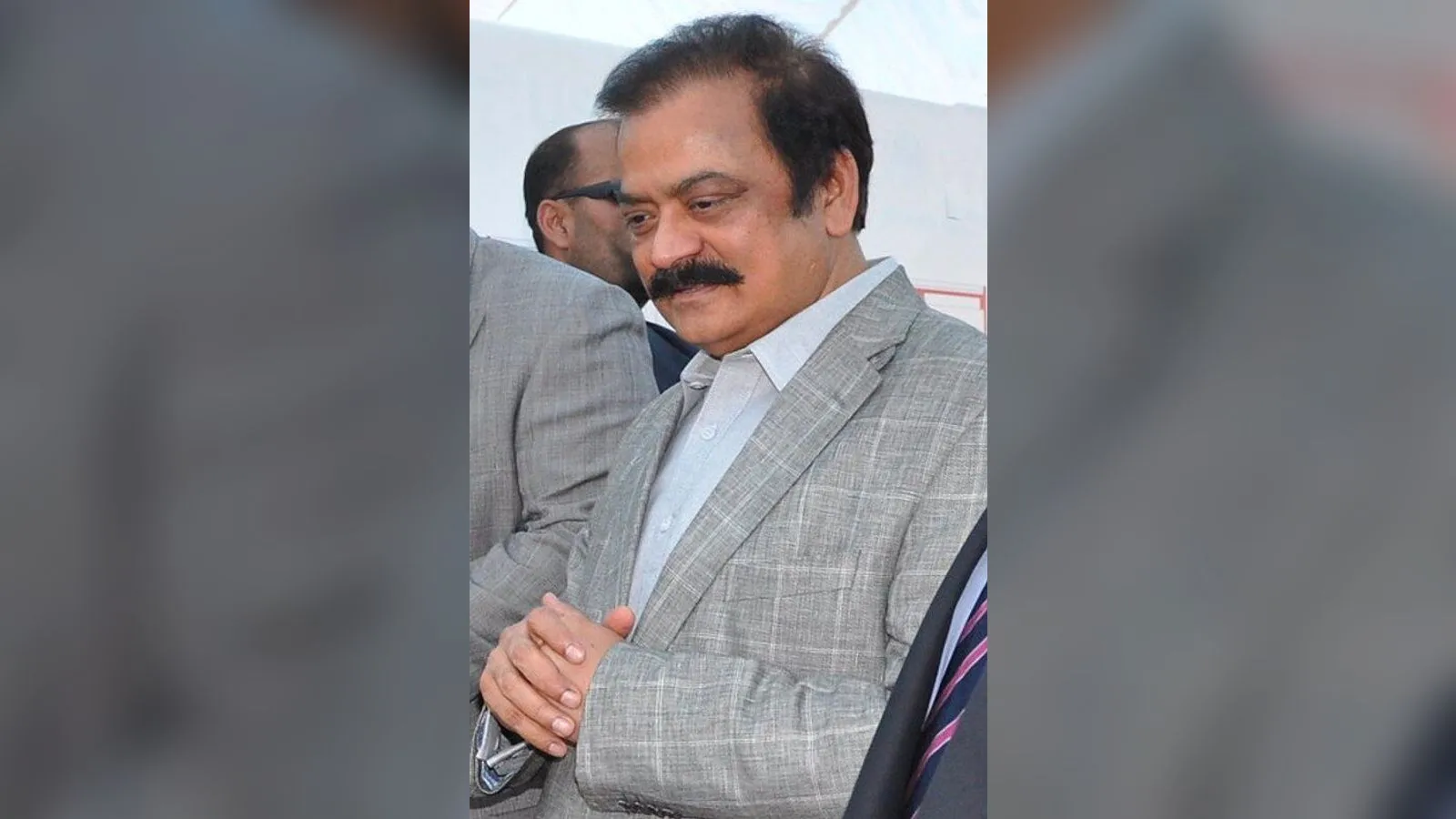
Prime Minister Shehbaz Sharif is ready to invite all political parties and build a consensus on counterterrorism, his adviser on political affairs, Rana Sanaullah, said in the Senate on Tuesday, urging the opposition to “set other demands aside”.
“Even now, if all parties can agree to sit down to discuss this issue, then Prime Minister Shehbaz Sharif is willing to invite them and find a way forward (on counterterrorism) or how operations can be supported by the entire nation,” Sanaullah said, Dawn reported. He urged parties to put other demands aside and “stand united” against terrorism.
His remarks came after the federal government imposed an emergency and governor’s rule in Khyber Pakhtunkhwa on October 11, citing the PTI-led provincial government’s “deliberate disengagement” from the fight against terrorism. Parliament endorsed the decisions last week amid opposition protests.
Criticism of the opposition
Sanaullah criticised the Leader of the Opposition in the National Assembly, Mahmood Khan Achakzai. “He became the leader of the opposition after the speaker signed off on his appointment; however, he does not accept the speaker’s authority and is not even ready to meet the prime minister and has even refused to sit in the speaker’s chambers with the PM,” he said.
Expressing sorrow over the martyrdom of an army officer a day earlier, Sanaullah told the opposition: “You are running propaganda against the head of this institution and making below-the-belt remarks.”
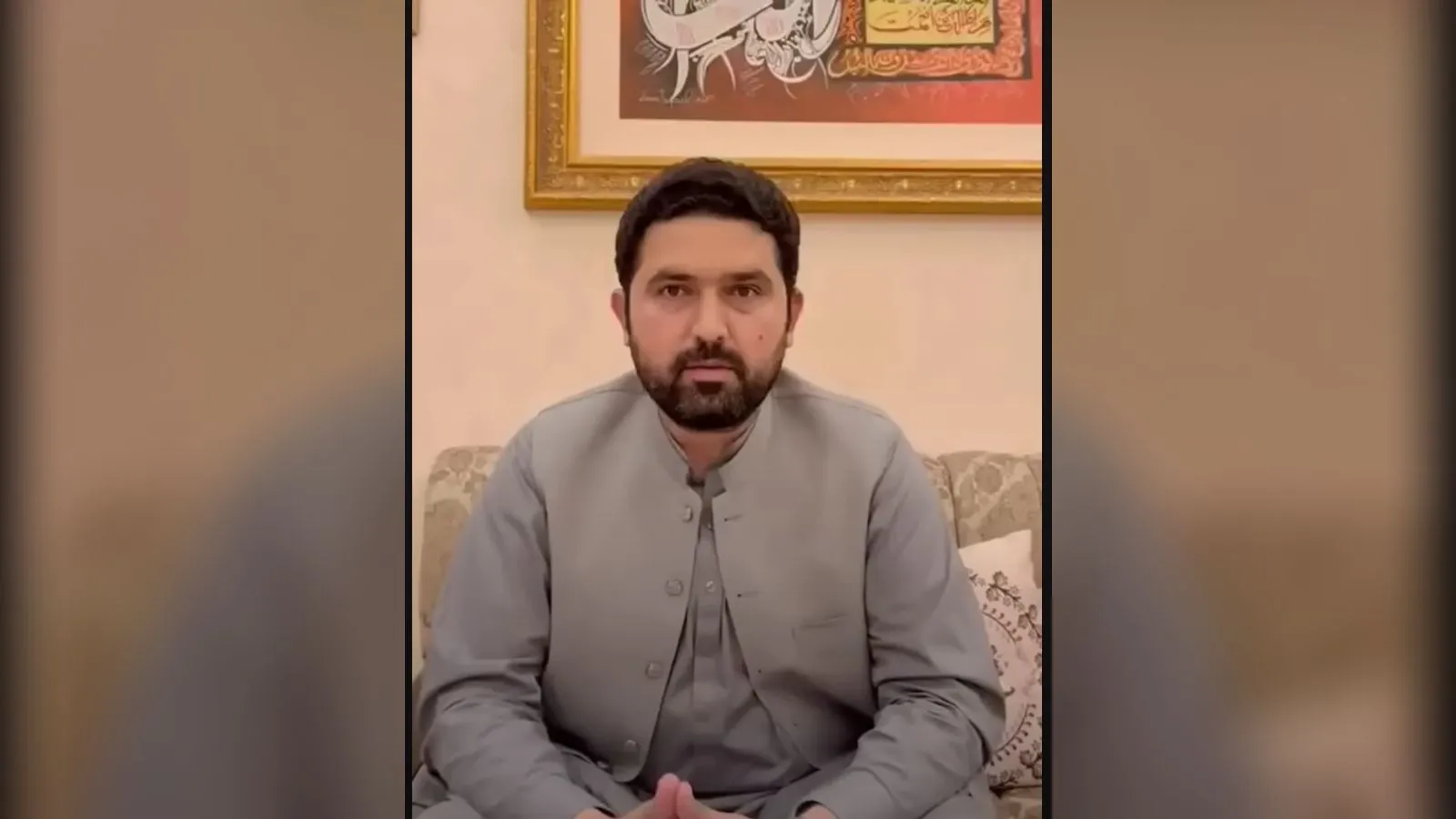
He also criticised members of the now non-functional KP government for staying away from apex committee meetings. “In 11 months, there was one apex committee meeting in which the KP CM was in attendance, and the way he was brought there, Interior Minister Mohsin Naqvi already spoke about it,” he said.
Why talks with the PTI failed
Recalling the government’s talks with the PTI earlier this month, Sanaullah said both sides had agreed to form a political committee with members from each side. “However, the talks broke down on one single point: the PTI fulfilling its responsibilities and supporting the federal government in counterterrorism efforts,” he said.
How the crisis unfolded
- Protest march: tensions rose after the PTI announced a march on Islamabad to demand the release of jailed former prime minister Imran Khan
- Failed talks: negotiations a week before governor’s rule produced no result, with counterterrorism policy one of the main sticking points
- The PTI’s position: the party said it was being left out of security decisions on KP, which the Centre denied, and called for a review of counterterrorism policy
- The Centre’s position: the federal government criticised the KP government’s efforts against terrorism and objected to its stance on talks with the Afghan Taliban
- Troops deployed: the Centre then authorised the deployment of army troops and assets in aid of civil power in KP
Federal ministers have also alleged that the PTI-led KP government had a “nexus” with terrorist groups, saying the security situation made the emergency necessary.
Why it matters
Terrorism in Khyber Pakhtunkhwa has become the central issue in Pakistan’s politics. An all-party consensus would give the security forces the united national backing they need, but only if the government and opposition can first agree to talk. Read our reports on the Peshawar High Court hearing on the KP emergency and on Interior Minister Naqvi’s account of the efforts before the emergency.
This article draws on reporting by Dawn.
Comments
Comments are reviewed by our editors before they appear. Please keep them civil and on topic. See our terms.
No comments yet. Be the first to share your view.