
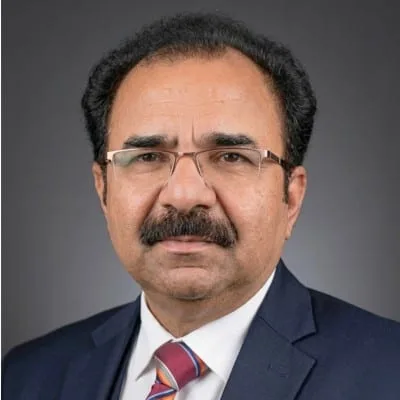
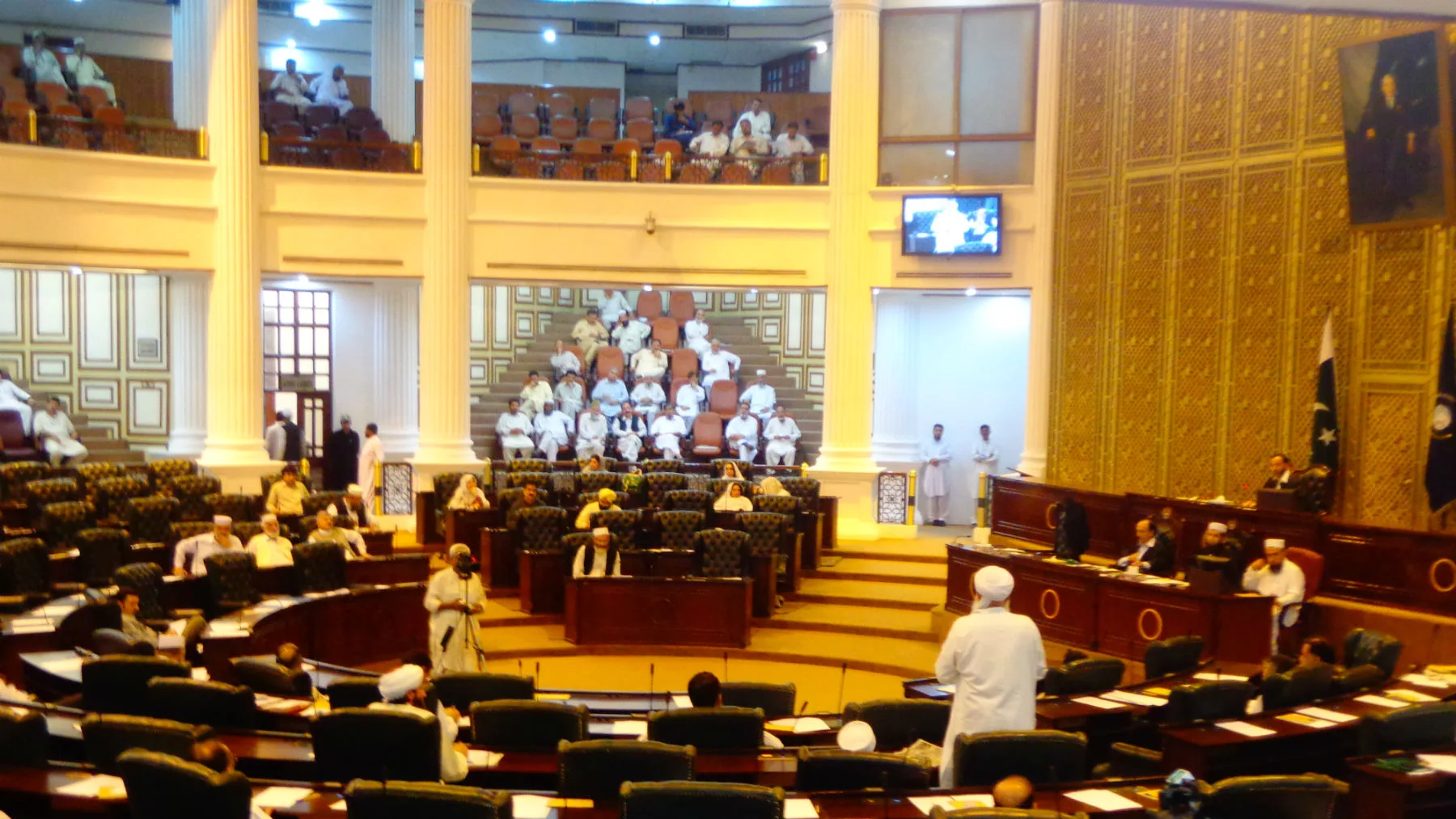
The Peshawar High Court (PHC) on Tuesday issued notices to the federal and Khyber Pakhtunkhwa governments on several petitions challenging the emergency and governor’s rule imposed on the province on October 11, Dawn reported.
A two-member bench of Justices Ijaz Anwar and Muhammad Faheem Wali heard preliminary arguments and adjourned the case until November 10. The court said an order would be issued afterwards, and that notices would also go to Attorney General Mansoor Usman Awan and the KP advocate general.
Who has gone to court
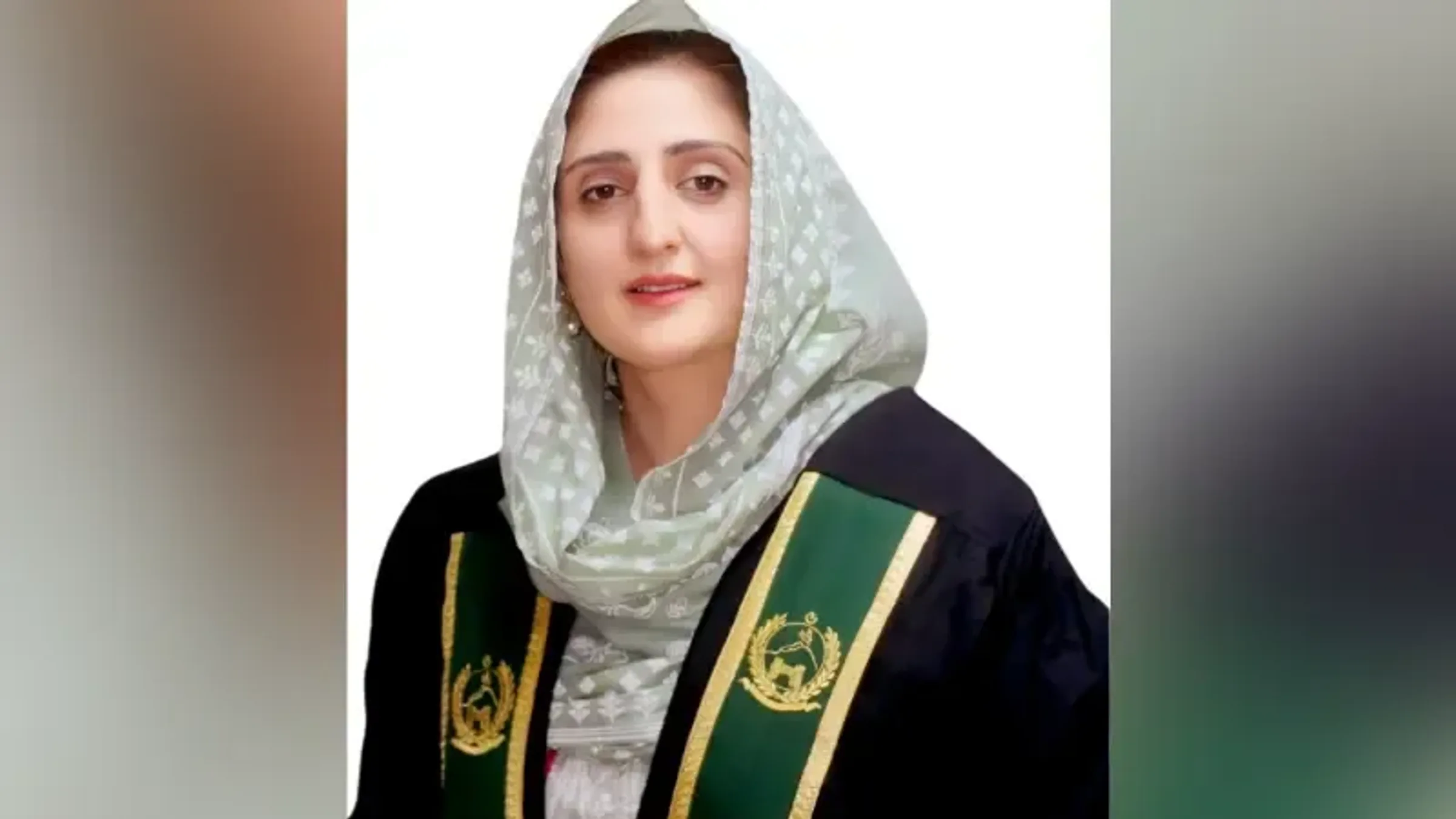
- PTI Chairman Barrister Gohar Ali Khan, who filed his petition on October 14 asking the court to declare the measures unconstitutional
- PTI leader Shandana Gulzar
- The KP Bar Council
- Leaders of the Tehreek-i-Tahafuz-i-Ayin-i-Pakistan (TTAP)
- National Democratic Movement leaders Mohsin Dawar and Bushra Gohar, whose petition was fixed for Tuesday
Another petitioner, advocate Qaiser Shah, supported the emergency but opposed the proclamation of governor’s rule.
The case against the measures
Barrister Sameer Khosa, appearing for Gohar with PTI Secretary General Salman Akram Raja, argued that the provincial assembly’s approval was mandatory. “The proviso to Article 232(1) states that approval from the provincial assembly is necessary. The word ‘shall’ is used, which means this condition is mandatory,” he said.
“No approval was obtained from the provincial assembly,” Khosa told the court, adding that the later approval by the National Assembly and the Senate had also been challenged. He argued that the situation in KP was not beyond the provincial government’s control.
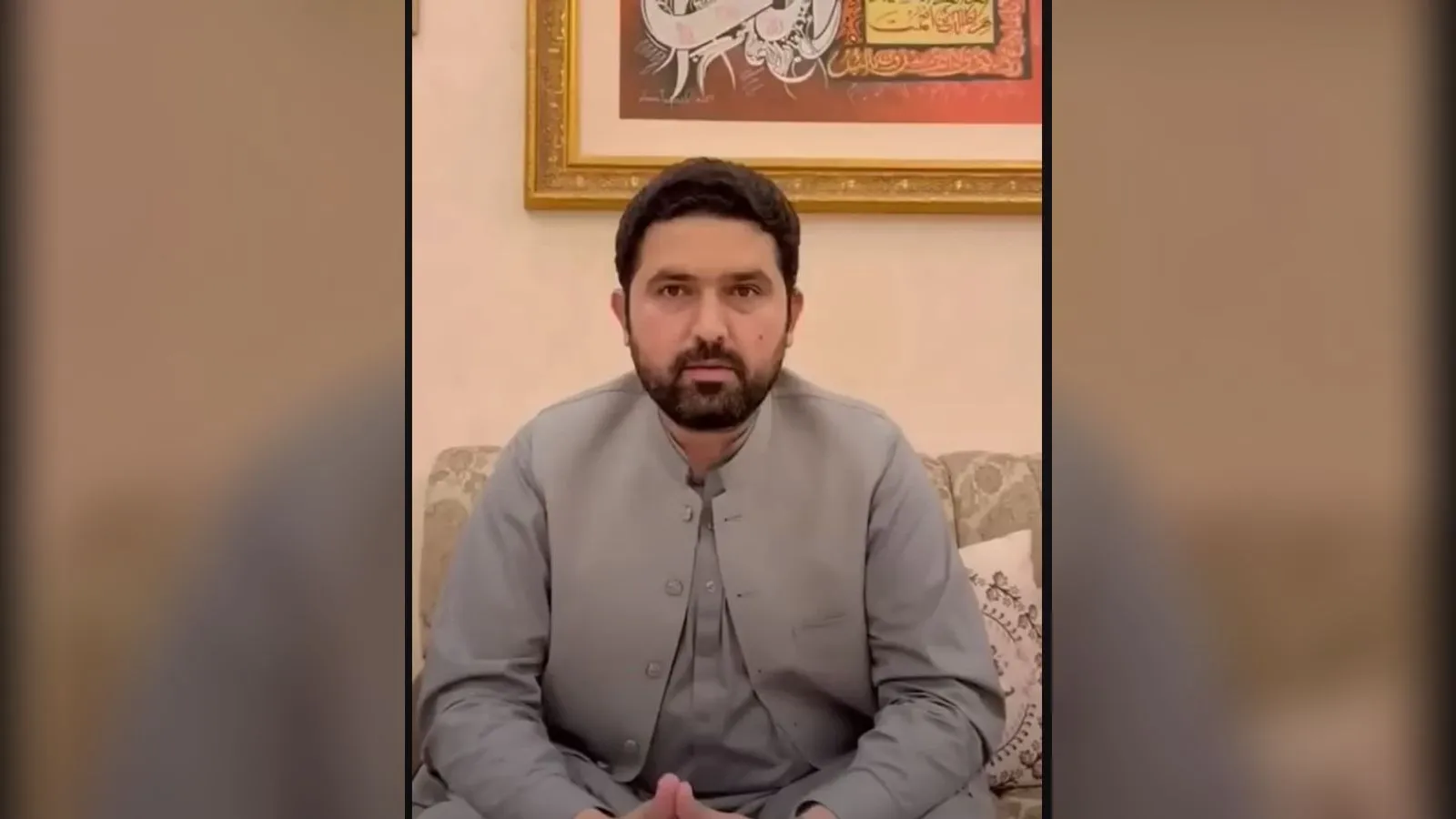
He said Chief Minister Sohail Afridi and the assembly speaker were “missing”, and that the petition asked for them to be produced. Afridi has not been seen since October 11; federal ministers said a day later that he and some cabinet members were in preventive custody.
Citing the Supreme Court’s judgment in the case of former chief minister Pir Sabir Shah, Khosa said the chief minister and cabinet should keep functioning during an emergency. “Our plea is that the assembly be restored and the chief minister and speaker be released,” he said.
Gohar told the bench that the PTI-led KP government had always supported the Centre against terrorism. “We say that Pakistan comes first, we say that we are one, this country is ours,” he said. He claimed 12 MNAs and 14 MPAs from his party had been “picked up”.
Muazzam Butt, for Gulzar, argued that security was the responsibility of the apex committee formed under the National Action Plan, so terrorism could not be blamed on the provincial government alone.
Lawyers stay away from courts
On Monday, lawyers across the province boycotted court proceedings at the call of the KP Bar Council, disrupting hearings in several districts, The Express Tribune reported. The council called the measures unconstitutional and demanded that the federal government withdraw them.
The government’s position
Defending the measures in the Senate on Monday, Parliamentary Affairs Minister Tariq Fazal Chaudhry said the president had imposed the emergency and governor’s rule under Articles 232 and 234 of the Constitution, and that both houses of Parliament had ratified them. “All steps have been taken in the interest of peace, stability and national interest,” he said.
After the October 11 decision, the federal government also formed an 11-member KP Advisory Council of technocrats.
Why it matters
The case puts the legality of the federal takeover of Pakistan’s frontline province before the courts. The outcome on November 10 will shape both KP’s governance and the fight against terrorism in the province. Read our reports on the imposition of the emergency and on the Federal Constitutional Court’s earlier ruling.
This article draws on reporting by Dawn, The Express Tribune and Geo News.
Comments
Comments are reviewed by our editors before they appear. Please keep them civil and on topic. See our terms.
No comments yet. Be the first to share your view.