
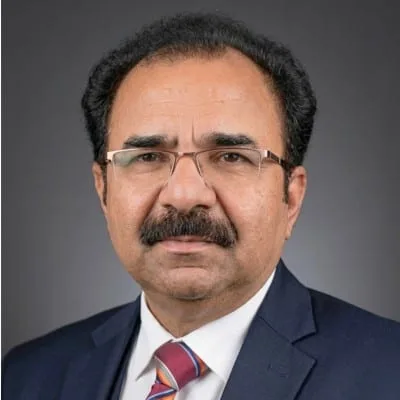
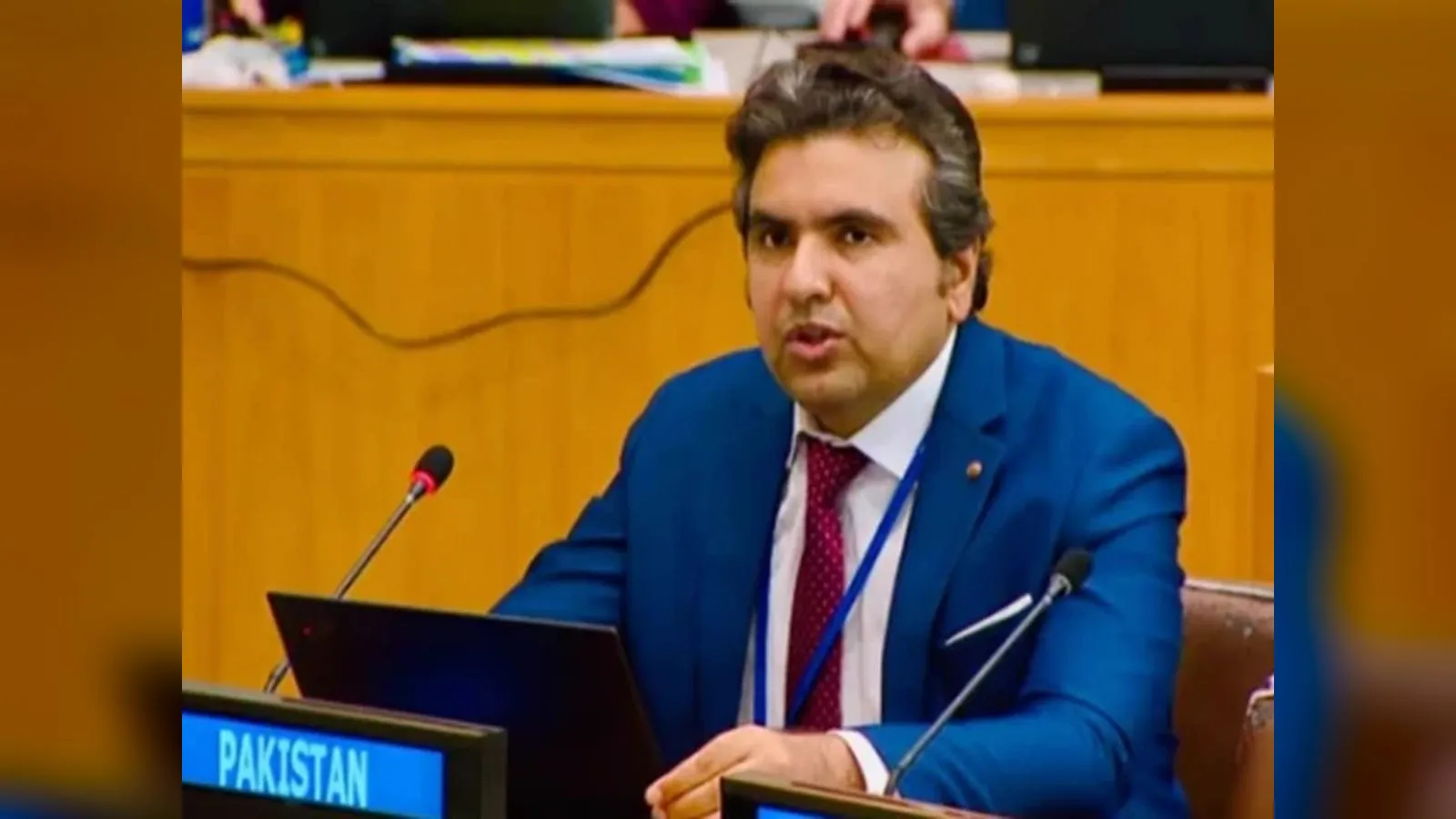
Pakistan opposes adding new permanent members to the UN Security Council and wants more elected seats instead, Pakistan’s UN envoy Asim Iftikhar Ahmad has said, as he prepares to take charge as the country’s next foreign secretary.
“Adding any new individual permanent members would only aggravate the problem. In simple words, the problem cannot be the solution,” Ahmad told Dawn in an interview reviewing Pakistan’s 2025-26 term on the Council.
A more democratic Council
Ahmad said recent crises and growing criticism of the permanent members had convinced most UN member states that “we need a more democratic, representative and accountable Security Council”.
Pakistan, with the Uniting for Consensus group and other like-minded countries, backs a reformed Council with more elected members, including medium-term seats filled by periodic elections and rotation. “Member states should be ready to fulfil that responsibility without permanence and privilege,” he said.
Pakistan’s eighth term
The 2025-26 stint was Pakistan’s eighth on the Council, and Ahmad’s third consecutive Council assignment after serving on Pakistan’s teams in 2003-04 and 2012-13. Pakistan set its priorities as conflict prevention and peaceful settlement of disputes, peacekeeping, counterterrorism and cooperation with regional organisations. “We were able to achieve a lot in all of those domains,” he said.
Key achievements
- Resolution 2788: adopted unanimously during Pakistan’s presidency of the Council in July 2025, it put renewed emphasis on the UN Charter’s tools for peacefully settling disputes. Pakistan built consensus around it despite what Ahmad called a “polarised Council”. Ahmad called it “the most widely referred Council decision ever since its adoption”
- US-Iran mediation: Pakistan helped bring about a ceasefire in April, hosted the Islamabad talks and contributed to the Islamabad Memorandum of Understanding signed in June
- Palestine: Pakistan was a “forceful voice”, supporting the Comprehensive Plan on Gaza and Resolution 2803, which Ahmad said helped secure a ceasefire, opened humanitarian space and “restored a political horizon for Palestinian self-determination and statehood”
- Kashmir: Pakistan used several Arria Formula meetings to focus attention on the Jammu and Kashmir dispute and the need to settle it in line with Security Council resolutions
The May 2025 conflict
The term unfolded against a sharp deterioration in India-Pakistan relations, which led to a four-day military confrontation in May 2025. Ahmad said Pakistan steered Resolution 2788 “having inflicted a crushing defeat to the Indian aggression in May 2025”, and that the crisis reinforced the importance of diplomacy in stopping conflicts from escalating.
Next stop: Islamabad
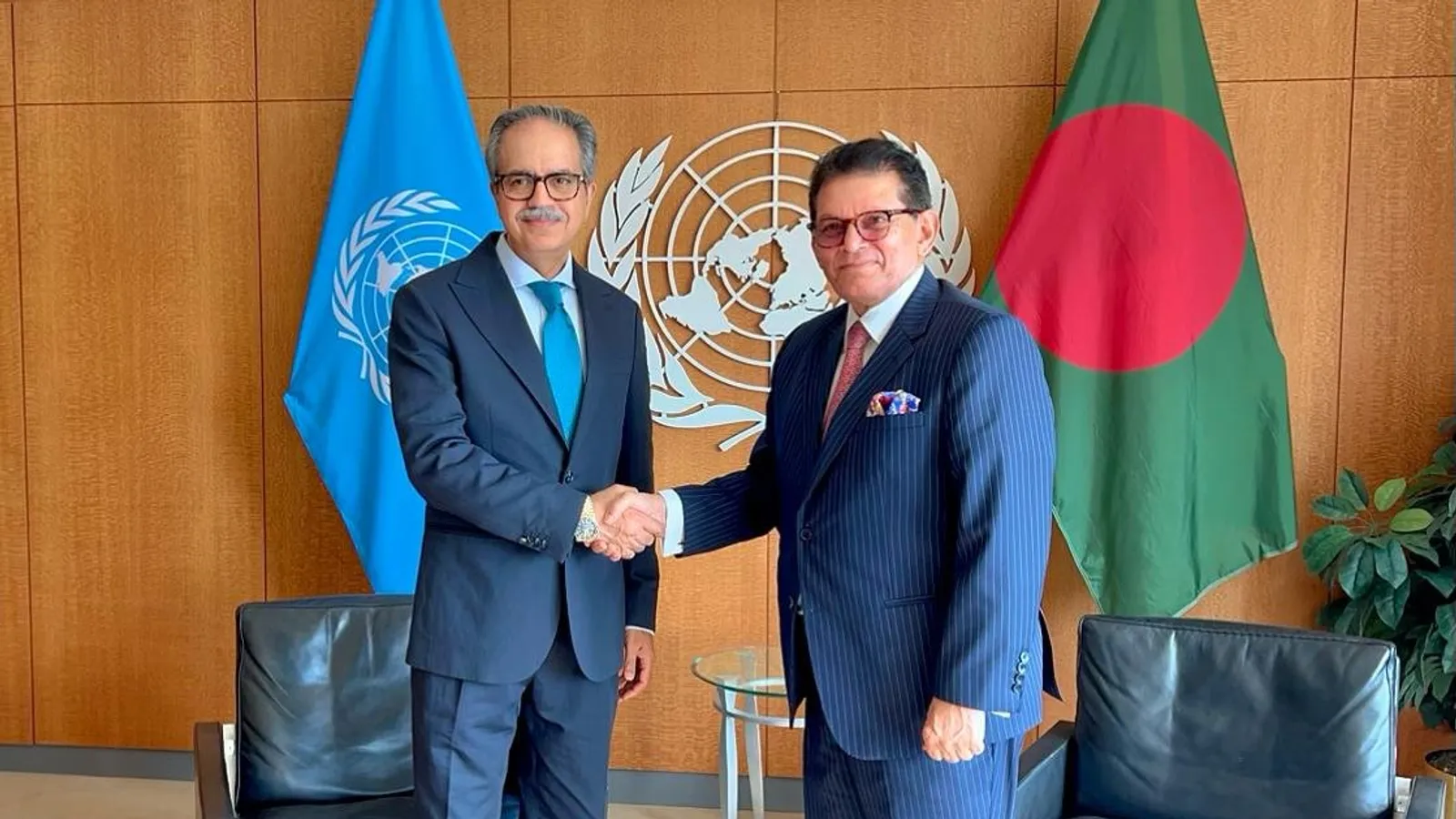
Ahmad returns home to take over as foreign secretary next week. On Monday he paid a farewell call on UN General Assembly President Khalilur Rahman, assuring him of Pakistan’s full support during the 81st session.
Why it matters
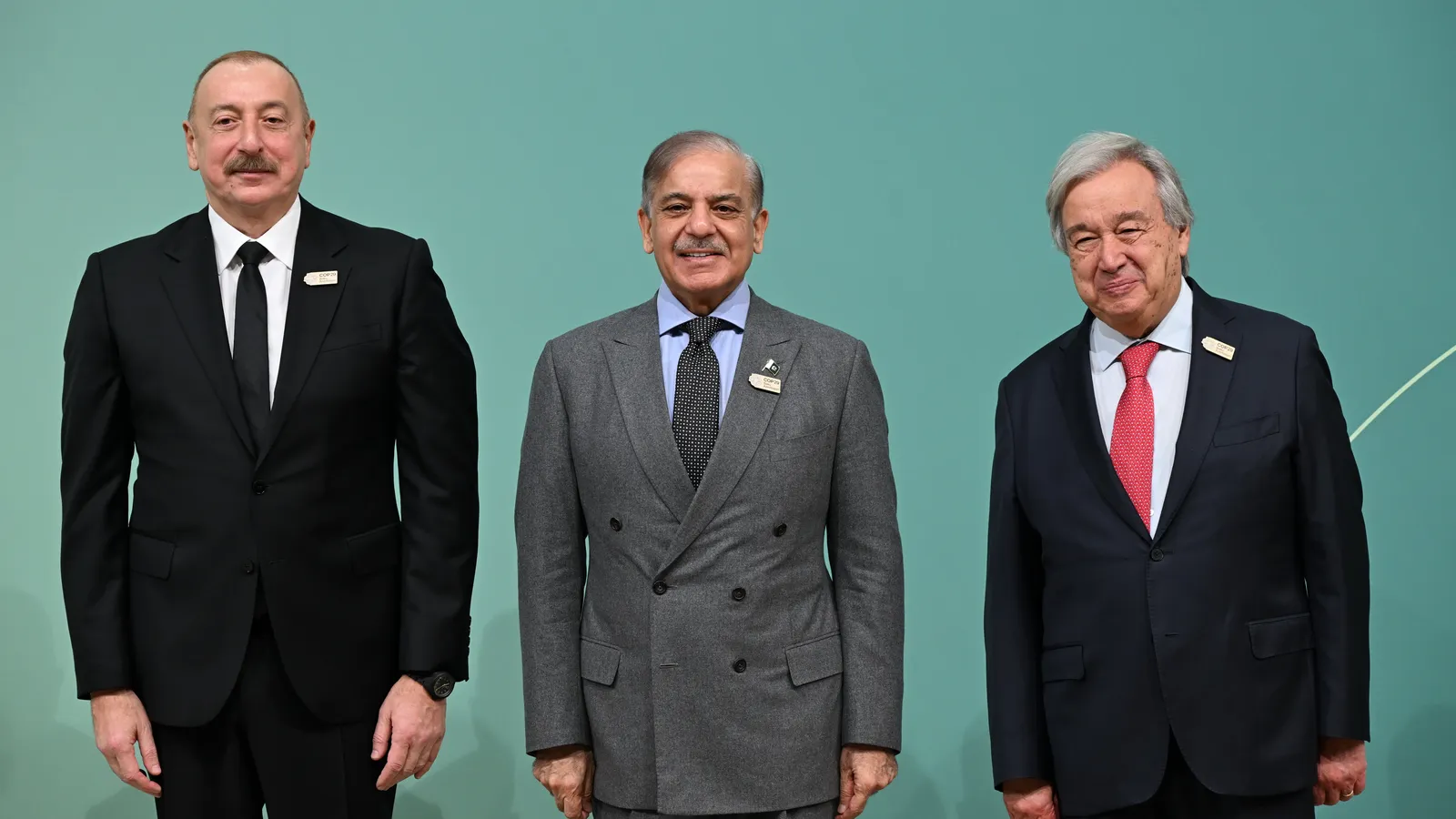
Security Council reform will shape who holds power at the UN for decades. Pakistan’s position is that more permanent seats would entrench privilege, not fix it, and it goes into the debate with a record of consensus-building on the Council. Read our report on UN chief Guterres’s visit to Pakistan.
This article draws on reporting by Dawn.


Comments
Comments are reviewed by our editors before they appear. Please keep them civil and on topic. See our terms.
No comments yet. Be the first to share your view.