
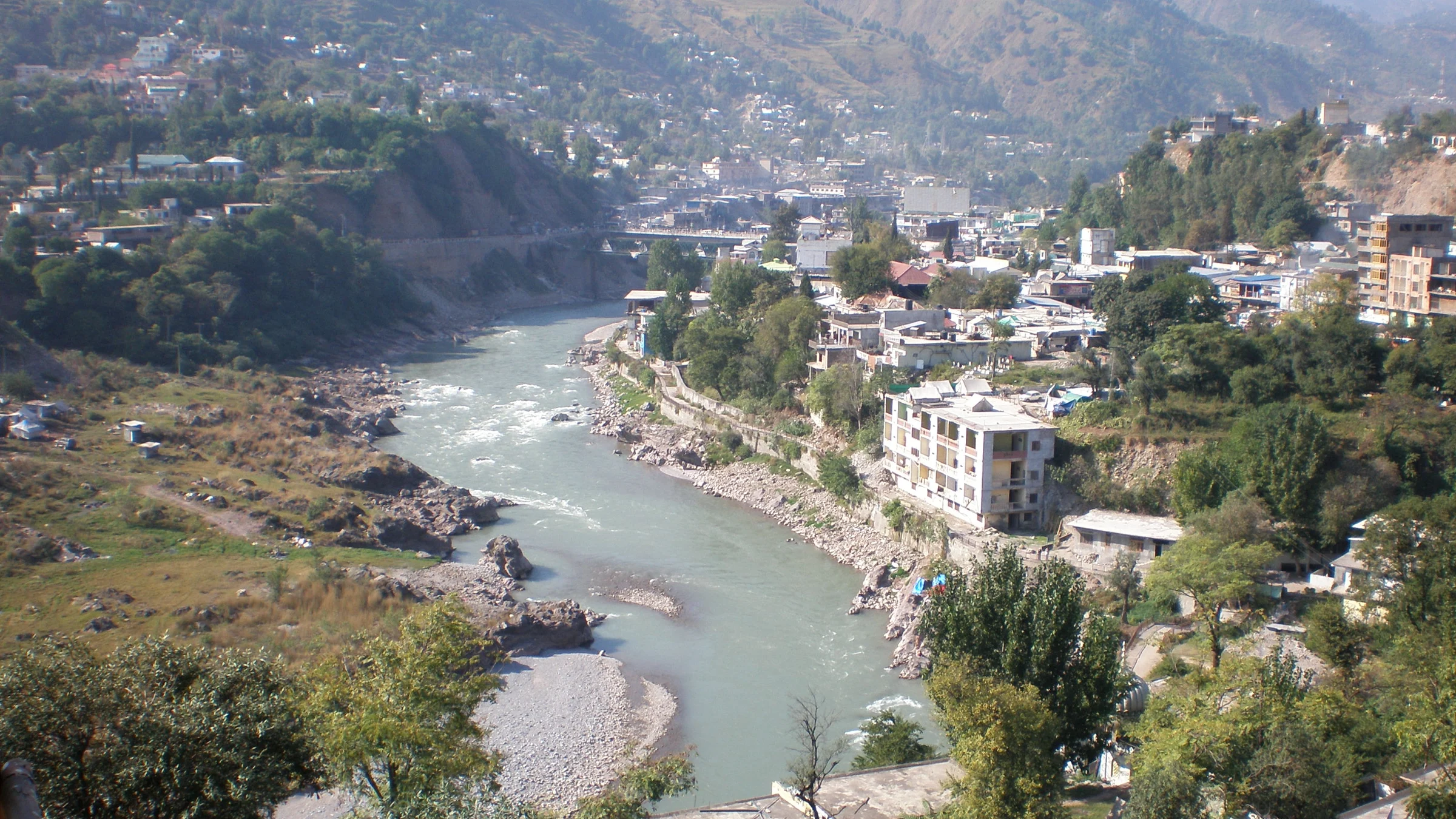
Pakistan’s leadership on Tuesday reaffirmed its support for the people of Indian Illegally Occupied Jammu and Kashmir (IIOJK) as the country observed Kashmir Black Day, marking 79 years since Indian forces landed in Srinagar on October 27, 1947, Dawn and Geo News reported.
President Asif Ali Zardari, Prime Minister Shehbaz Sharif and Deputy Prime Minister and Foreign Minister Ishaq Dar issued separate messages calling for a just settlement of the dispute under United Nations Security Council resolutions and in line with the wishes of the Kashmiri people.
Zardari: “the day is not far off”
President Zardari called on the international community, particularly the UN and human rights organisations, to take notice of the human rights situation in IIOJK and help protect the rights of Kashmiris.
He said continuing restrictions on fundamental freedoms, heavy militarisation, arrests and reports of rights violations remained a serious concern. “We will continue to raise their voice at every appropriate international forum,” he said.
“The day is not far off when the people of Jammu and Kashmir will be able to determine their own future in accordance with their aspirations,” the president added.
Shehbaz: position “clear, consistent and principled”
“Pakistan’s position on Jammu and Kashmir remains clear, consistent and principled,” PM Shehbaz said. He said lasting peace in South Asia could not be achieved without a just resolution of the dispute.
He said the landing of Indian forces in Srinagar marked the beginning of a “tragic chapter”, and expressed deep concern over the long imprisonment of Kashmiri political leaders, activists and human rights defenders.
Dar: 2019 measures cannot change the dispute
Foreign Minister Ishaq Dar said Kashmiris remained deprived of their basic rights nearly eight decades after Indian forces entered Srinagar, and that their struggle for self-determination, recognised by the UN, was “unfinished”.
He said India’s unilateral measures of August 5, 2019 had worsened the situation and “could not alter” the region’s disputed status. He urged the world to press India to end rights violations, adding that the dispute could not be settled through unilateral actions or force.
Background: why October 27
Pakistan and Kashmiris on both sides of the Line of Control mark October 27 each year as Black Day, the anniversary of the arrival of Indian troops in Srinagar in 1947. The UN Security Council has passed resolutions calling for the future of Jammu and Kashmir to be decided by its people.
The dispute deepened on August 5, 2019, when India revoked the special constitutional status of the territory it administers. Pakistan has repeatedly raised the issue at the UN, and earlier this month it rejected India’s claim that Kashmir is an internal matter at a General Assembly committee.
Why it matters
The messages restate Pakistan’s long-held position rather than announce new steps, but they come at a time of heavy diplomatic activity for Islamabad, from mediation in the Gulf to its push at the UN to limit the Security Council veto. Pakistan’s leaders are using these forums to keep Kashmir on the international agenda.
What remains open is whether any of this moves the dispute itself. India rejects third-party involvement, and there has been no formal dialogue between the two countries on Kashmir for years.
This article draws on reporting by Dawn and Geo News.
Comments
Comments are reviewed by our editors before they appear. Please keep them civil and on topic. See our terms.
No comments yet. Be the first to share your view.